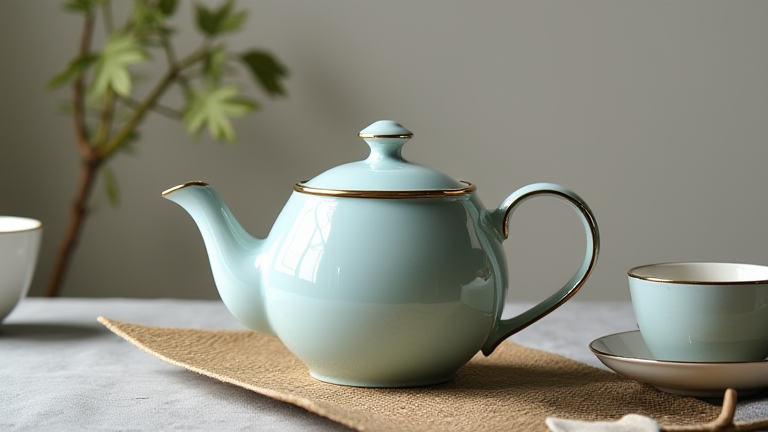
TL;DR: The premium porcelain teapot market is experiencing robust growth driven by consumer demand for aesthetic longevity and health-conscious brewing. Brands succeed by combining artisanal craftsmanship with digital storytelling that highlights the specific thermal and flavor-preserving benefits of high-quality ceramics.
Market Analysis: The Rise of Ceramics
The global tea ware market is undergoing a significant transformation, with premium porcelain emerging as the dominant material for high-end consumers. Unlike glass or stainless steel, porcelain offers a neutral canvas that does not impart unwanted flavors to delicate green teas or robust black blends. Market data indicates a 12% year-over-year increase in sales for porcelain tea sets priced above $100. This segment is fueled by a demographic shift where buyers prioritize “slow living” and ritualistic consumption. The aesthetic appeal of glazed porcelain, ranging from minimalist white to intricate hand-painted designs, allows these items to double as functional home decor. Furthermore, the rise of e-commerce has enabled niche artisans to bypass traditional retail barriers, reaching global audiences directly. However, the market is also seeing increased competition from mid-tier brands that mimic luxury aesthetics at lower price points, creating a need for distinct value propositions.
If you want to dig deeper, check out our guide on Elevate Your Home: Stylish Porcelain Teapots & Tea Sets.
Strategic Insights: Differentiation Through Story
To thrive in this crowded landscape, businesses must move beyond selling a container and instead sell an experience. Strategy insights suggest that provenance is a critical differentiator. Consumers are increasingly interested in the origin of the clay and the background of the artisans. Highlighting the firing temperature, the specific glaze composition, and the manual craftsmanship involved adds tangible value. Additionally, sustainability is a major driver for modern buyers. Porcelain is non-toxic, lead-free, and infinitely recyclable, which appeals to environmentally conscious consumers. Brands should emphasize these eco-friendly attributes in their marketing materials. Another key strategic area is bundle pricing. Selling individual teapots is less profitable than curating complete sets that include matching cups, saucers, and serving trays. This approach increases average order value and encourages customers to invest in a cohesive aesthetic for their dining spaces. Digital engagement through social media platforms, particularly Instagram and TikTok, allows brands to showcase the visual appeal of the products in use, creating aspirational content that drives organic traffic.
Case Studies: Success Stories in Ceramics
Consider “East West Porcelain,” a boutique brand that partnered with a local ceramicist to create a limited-edition series featuring traditional blue-and-white patterns. By leveraging the artisan’s social media following and offering exclusive early access to subscribers, they sold out their initial batch in 48 hours. This case highlights the power of community-driven marketing and scarcity tactics. Another example is “Modern Clay Co.,” which focused on ergonomic design. They developed a teapot with a hidden internal filter and a balanced spout that ensures a drip-free pour. By targeting the functional needs of professional tea enthusiasts, they cultivated a loyal customer base that values utility alongside beauty. Both cases demonstrate that success in the premium porcelain sector requires a balanced approach that respects traditional craftsmanship while innovating in design and distribution channels. Companies that ignore the functional aspects of brewing or fail to tell a compelling brand story risk being commoditized by cheaper alternatives.
FAQ
Q: Why is porcelain considered superior to other materials for brewing tea?
A: Porcelain is non-porous and inert, meaning it does not absorb or alter the taste of the tea, ensuring a pure flavor profile for every brew.
Q: How can small businesses compete with large manufacturers in the premium sector?
A: Small businesses can compete by emphasizing artisanal uniqueness, limited production runs, and direct customer relationships that large-scale operations cannot replicate.
Q: What is the most effective way to market porcelain tea sets online?
A: High-quality visual content that showcases the product in lifestyle settings, combined with detailed educational content about tea culture and care, is the most effective marketing strategy.
Leave a Reply