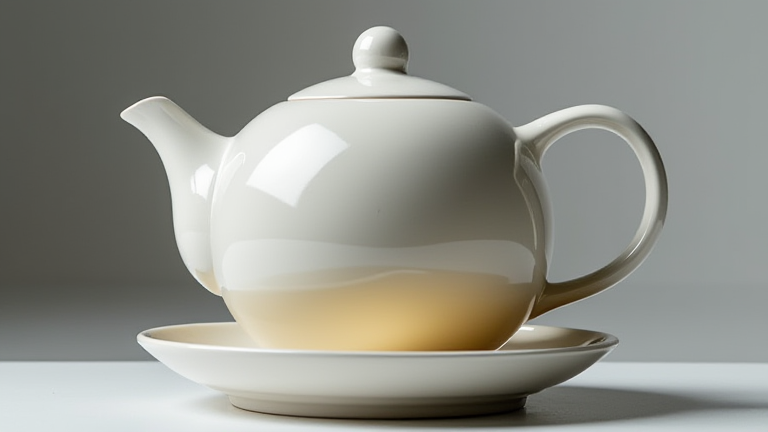
Smart Porcelain Teapots: 7 Tech Trends Redefining the Modern Tea
TL;DR: Smart porcelain teapots are evolving from passive vessels into active wellness hubs by integrating IoT sensors for precise temperature and steeping control. These devices redefine the modern tea experience by merging traditional craftsmanship with data-driven personalization for optimal flavor extraction.
The Convergence of Tradition and Technology
The global tea market is undergoing a significant transformation, driven by consumers who demand both aesthetic elegance and functional precision. Porcelain, long revered for its neutral taste profile and thermal stability, is now the primary canvas for advanced smart technology. Manufacturers are no longer just selling containers; they are selling curated experiences. The integration of micro-electronics into high-fired ceramic materials allows for real-time monitoring of variables that were previously left to guesswork or manual timers. This shift appeals to a demographic that values the ritual of tea drinking but refuses to compromise on consistency or health metrics.
If you want to dig deeper, check out our guide on Luxury Porcelain Teapots: Top 5 Tea Sets for Every Home.
Seven Defining Technological Trends
First, embedded temperature sensors have become the standard feature. These high-precision thermistors monitor water temperature within the teapot cavity, ensuring that delicate green teas are not scalded and robust blacks reach their ideal extraction point. Second, wireless connectivity via Bluetooth Low Energy (BLE) allows users to control brewing parameters through smartphone applications. Third, automated lid mechanisms are gaining traction, using small, battery-operated servos to open and close the spout or lid at precise moments, reducing oxidation and preserving aroma. Fourth, smart bases with induction heating provide continuous, low-power heat maintenance, keeping tea warm without altering its chemical structure over time.
Fifth, hydration tracking features are being integrated into the ecosystem. By measuring the volume of water poured and the duration of steeping, the system logs consumption data, offering insights into daily hydration habits. Sixth, material innovation is focusing on graphene-infused porcelain coatings, which enhance thermal conductivity and distribute heat more evenly across the vessel. Finally, seventh, AI-driven flavor profiling is emerging. Algorithms analyze user preferences over time and suggest optimal steeping durations and water temperatures for specific tea varieties, creating a personalized brewing profile that adapts to individual taste preferences.
Industry Impact and Market Dynamics
The introduction of these smart features is reshaping the competitive landscape. Traditional ceramic manufacturers are partnering with IoT startups to bridge the gap between artisanal design and digital functionality. The average price point for smart porcelain sets has stabilized in the premium segment, signaling that this is not a fleeting gimmick but a permanent category upgrade. Supply chains are adapting to include complex electronic components alongside traditional kiln-fired ceramics, requiring new quality control standards. Furthermore, the data collected from these devices is creating new opportunities for tea brands to engage with consumers directly, offering subscriptions for unique blends based on usage patterns. The impact extends to sustainability as well, as precise temperature control reduces energy waste compared to traditional kettles that boil water to 100°C for all teas. This efficiency, combined with the longevity of high-quality porcelain, appeals to environmentally conscious buyers who view their tea ware as a long-term investment rather than disposable kitchenware.
FAQ
Q: Are smart porcelain teapots dishwasher safe?
A: Most modern units have removable electronic components or sealed, waterproof designs that allow the porcelain body to be hand-washed safely, but always check the specific manufacturer’s guidelines for the electronic base.
Q: How does the smart technology affect the taste of the tea?
A: High-quality porcelain is non-porous and neutral, so it does not impart flavor. The smart features actually improve taste by preventing over-steeping or temperature shocks that can release bitter tannins or dull aromas.
Q: What is the typical battery life for the smart components?
A: Most smart bases use rechargeable lithium-ion batteries that last between two and four months on a single charge, depending on the frequency of use and whether the induction heating feature is utilized regularly.
Leave a Reply