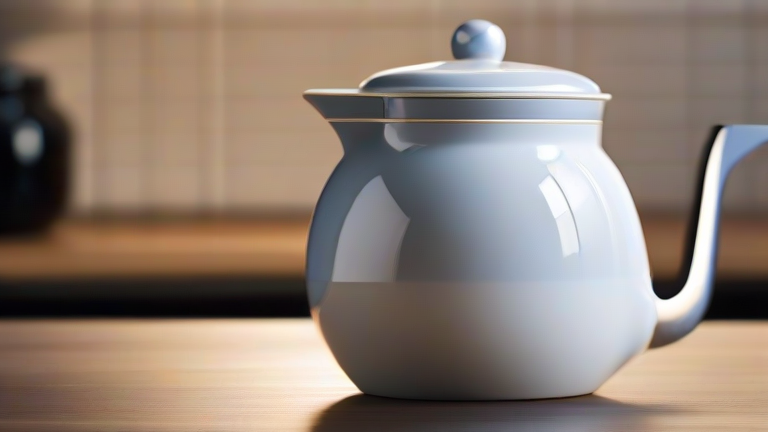
Smart Porcelain Teapots: How IoT Tech Is Changing Your Tea
TL;DR: Smart porcelain teapots integrate advanced IoT sensors and heating elements to automate temperature control, steeping time, and water quality monitoring. These devices transform traditional tea sets into precision instruments that ensure optimal extraction and preserve the delicate nuances of high-quality leaves.
The intersection of ancient ceramic craftsmanship and modern internet-of-things technology has given rise to a new category of premium kitchenware. Unlike standard smart kettles, these porcelain teapots are designed specifically for the intricate requirements of tea brewing. The latest developments focus on seamless integration, where the aesthetic elegance of hand-thrown porcelain masks complex electronic components. Manufacturers are now embedding micro-controllers directly into the base of the pot, allowing for real-time data collection without compromising the tactile experience of holding a warm ceramic vessel.
Technical Specifications and Hardware
Current market leaders offer teapots with dual-zone heating systems that can maintain water temperatures within a plus-or-minus 0.5-degree Celsius range. This precision is critical because different tea varieties require specific heat levels. For instance, green teas need lower temperatures around 175 degrees Fahrenheit, while black teas require near-boiling water. The hardware typically includes a high-sensitivity thermocouple, a Bluetooth 5.2 module for smartphone connectivity, and a rechargeable lithium-ion battery that lasts up to six months on a single charge. The porcelain itself is often reinforced with a thermal-resistant glaze to withstand rapid temperature changes without cracking. Furthermore, these units feature an internal water level sensor that prevents dry boiling, a common issue in traditional electric pots that can damage the heating element and ruin the taste of the tea.
Industry Impact and Market Shift
The introduction of smart porcelain teapots is reshaping the tea industry by shifting consumer focus from quantity to quality. Data collected from these devices is helping tea companies understand brewing preferences on a granular level. Retailers are reporting a significant increase in sales of loose-leaf teas among younger demographics who are attracted to the tech-forward nature of these products. The industry impact extends to manufacturing, where traditional potters are partnering with electronics firms to create hybrid products. This collaboration is driving innovation in materials science, resulting in porcelain that is more durable and thermally efficient. Additionally, the subscription model is emerging, where teapot owners receive curated tea selections based on their usage patterns and flavor preferences recorded by the device.
FAQ
Q: Can smart porcelain teapots brew all types of tea?
A: Yes, they can brew green, white, oolong, black, and herbal teas, as the app allows users to select specific temperature and time profiles for each variety.
Q: Is the porcelain safe for dishwasher use?
A: Most manufacturers recommend hand washing the exterior and interior to preserve the glaze and ensure the longevity of the embedded electronic seals.
Q: Do these teapots require Wi-Fi to function?
A: No, the basic brewing functions work offline via Bluetooth or manual buttons, but Wi-Fi is required for firmware updates and advanced cloud-based analytics.
Leave a Reply