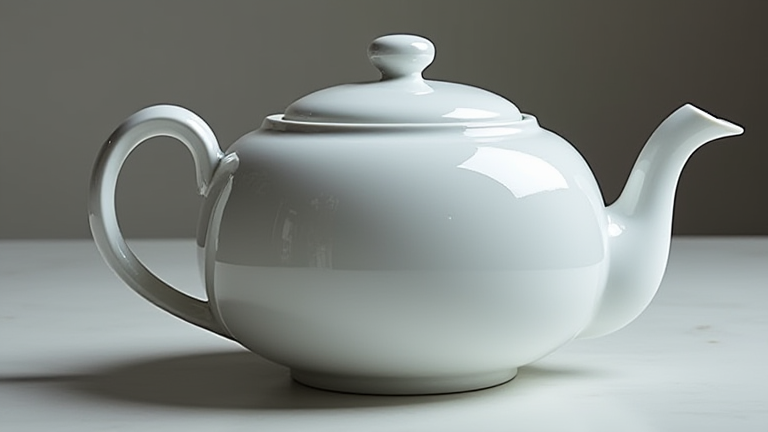
Tech-Enhanced Porcelain Teapots: Smart Features & Top Sets
TL;DR: Modern smart porcelain teapots integrate precision heating elements and IoT connectivity to automate steeping times and temperatures for optimal flavor extraction. Leading sets combine traditional ceramic aesthetics with digital interfaces, allowing users to program specific tea profiles directly from a mobile app.
The world of tea brewing is undergoing a quiet but significant transformation. While porcelain has long been the gold standard for tea ware due to its non-porous nature and ability to preserve delicate aromas, manufacturers are now embedding advanced technology into these traditional vessels. This fusion of heritage craftsmanship and digital innovation is creating a new category of kitchen appliances that appeal to both purists and tech enthusiasts. The latest developments focus on seamless integration, ensuring that the technology does not compromise the visual elegance or tactile experience of holding a classic teapot.
If you want to dig deeper, check out our guide on Top 10 Home Decor Trends Redefining Modern Living.
Key Specifications and Smart Features
At the core of these tech-enhanced sets are high-precision PTC (Positive Temperature Coefficient) heating elements. Unlike standard electric kettles, smart porcelain teapots can maintain specific water temperatures with a tolerance of less than one degree Celsius. This is crucial for green and white teas, which require water between 175°F and 185°F to avoid scorching the leaves and releasing bitter tannins. Most top-tier units feature a digital interface on the base or a companion smartphone app that guides users through the brewing process.
Connectivity is another major advancement. Many models support Wi-Fi and Bluetooth, allowing users to download proprietary tea profiles. For instance, a user can select “Sencha” on their app, and the teapot will automatically heat the water to the correct temperature, dispense it into the porcelain pot, and track the steeping time with audible or haptic alerts. Some premium sets also include built-in filtration systems, ensuring that tea leaves are fully contained within the porcelain chamber, preventing sediment in the final cup. Battery life for the control modules typically lasts several months on a single charge, with USB-C charging ports becoming the industry standard for convenience.
Industry Impact and Market Trends
The rise of smart porcelain teapots is impacting the broader kitchen appliance market by shifting focus from raw utility to experiential design. Consumers are increasingly willing to pay a premium for products that enhance the ritual of tea drinking rather than just the speed of water heating. This trend is driving collaborations between traditional ceramic artisans and tech firms, resulting in limited-edition sets that feature hand-painted porcelain exteriors housing state-of-the-art circuitry.
Furthermore, this innovation is democratizing complex brewing techniques. Previously, mastering the art of gongfu cha or precise Japanese tea preparation required years of practice. Now, built-in algorithms guide novice users through the exact steps, effectively acting as a personal tea sommelier. The industry is also seeing a surge in sustainable manufacturing, with many brands using recycled porcelain materials and energy-efficient heating coils to reduce their carbon footprint. As smart home ecosystems expand, these teapots are beginning to integrate with larger networks, allowing users to trigger brewing cycles via voice commands from other smart devices, further embedding tea culture into the daily digital routine.
FAQ
Q: Can I still use these teapots if the technology fails?
A: Yes, most smart porcelain teapots are designed with a manual override. The porcelain vessel itself remains functional for traditional brewing, and the heating base usually has a simple on/off switch that bypasses the smart features, allowing for basic boiling and pouring.
Q: Are the electronic components safe for food contact?
A: Absolutely. Reputable manufacturers ensure that all internal components, including heating elements and sensors, are fully encapsulated and isolated from the water path. The interior of the porcelain pot remains uncoated and food-safe, while the electronics are housed in the base or handle, ensuring no contact with the tea liquid.
Q: How do I clean a tech-enhanced porcelain teapot?
A: The porcelain body and lid are typically dishwasher safe, provided you remove any
Leave a Reply