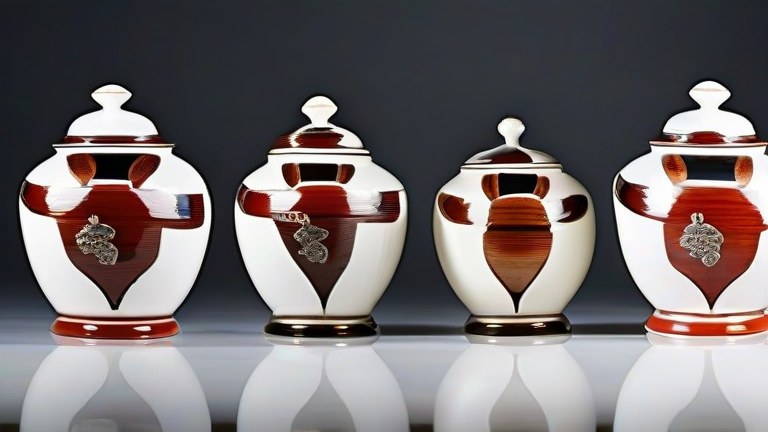
TL;DR: To style porcelain teapots in modern homes, prioritize minimalist designs with clean lines and neutral tones that complement contemporary decor. Treat the teapot as a sculptural centerpiece, placing it on open shelves or sleek sideboards to blend functionality with aesthetic appeal.
The Intersection of Tradition and Modern Design
In the fast-paced digital age, the ritual of brewing tea has become a sanctuary for many. It is a pause, a moment of clarity, and a sensory experience that grounds us. Central to this ritual is the vessel itself. While ceramic and glass have their merits, porcelain teapots offer a unique blend of elegance, durability, and thermal efficiency. For the modern home, which often leans towards minimalism and open spaces, the right porcelain teapot can transform a simple kitchen corner into a curated display of culture and comfort.
If you want to dig deeper, check out our guide on Porcelain Teapot Guide: How to Use & Care for Your Tea Set.
Choosing the Right Aesthetic
Modern interiors are defined by uncluttered surfaces, neutral color palettes, and an emphasis on texture and light. When selecting a porcelain teapot, look for pieces that respect these principles. Opt for pure white or soft grey glazes that reflect light and create a sense of airiness. Avoid overly ornate patterns or heavy gold rims, which can clash with clean, architectural lines. Instead, consider teapots with subtle textural variations, such as a matte finish or a gentle, organic curve that mimics natural forms. These details add visual interest without overwhelming the space.
The shape of the teapot also plays a crucial role in styling. Tall, slender pots can create vertical interest, drawing the eye upward and enhancing the feeling of height in a room. Conversely, wide, low-profile pots ground the composition, adding stability to a shelf or table. Experiment with mixing sizes to create a dynamic arrangement. A set of matching cups and saucers in the same porcelain finish can tie the look together, creating a cohesive narrative that speaks to your personal style.
Placement and Presentation
Where you place your porcelain teapot is just as important as how it looks. In an open-plan kitchen, consider displaying your favorite teapot on a dedicated shelf above the counter or on a sleek, floating shelf in the living area. This turns a functional item into a piece of art. If you prefer a more integrated look, keep your teapot set in a glass-fronted cabinet or a clear acrylic organizer. This allows the beautiful glaze of the porcelain to shine while keeping the item dust-free.
Lighting is another key factor. Natural light is the best friend of porcelain, as it highlights the translucency and smoothness of the material. Position your display near a window or use soft, warm artificial lighting to enhance the reflective qualities of the glaze. Avoid harsh, direct sunlight, which can cause fading over time. By controlling the environment, you ensure that your porcelain teapots remain a stunning focal point for years to come.
Elevating the Daily Ritual
Ultimately, styling your porcelain teapots is about creating an environment that invites you to slow down. It is about acknowledging the beauty in the everyday. When your tea set is displayed with intention, it encourages you to use it. It transforms the act of brewing tea from a mundane chore into a deliberate, meditative practice. Whether you are enjoying a bold black tea in the morning or a delicate green tea in the evening, the right porcelain teapot enhances the experience. It connects you to a rich cultural heritage while fitting seamlessly into your modern lifestyle.
Invest in quality pieces that you love. A well-made porcelain teapot is not just a tool; it is a companion. It holds your tea, but it also holds your memories and your moments of peace. By thoughtfully styling these items, you create a home that reflects your values and your love for the art of tea.
FAQ
Q: How do I clean porcelain teapots to maintain their sheen?
A: Wash with warm water and a mild, unscented detergent using a soft sponge. Avoid abrasive scrubbers and dishwashers, as the high heat and harsh deter
Leave a Reply