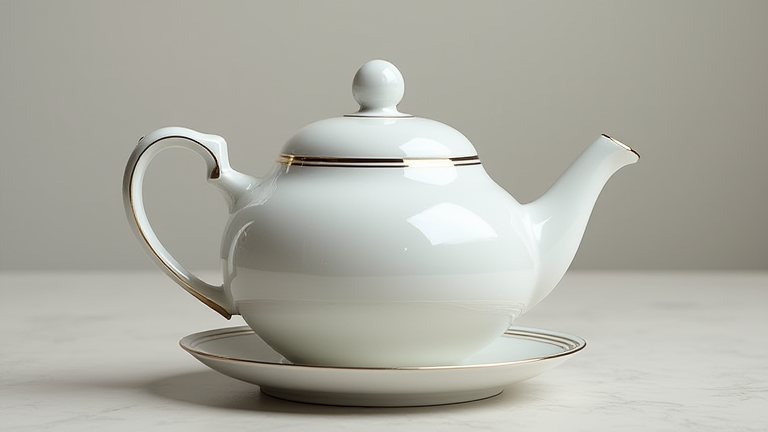
**The Porcelain Teapot Comeback: Why Collectors Are Obsessed**
TL;DR: The resurgence of porcelain teapots is driven by a blend of aesthetic nostalgia and a surge in artisanal tea culture, making vintage and handcrafted sets highly sought after. Market data shows a significant spike in premium sales, indicating that collectors view these items as both functional art and sound investments.
The Aesthetic Shift in Modern Homes
In recent years, the interior design landscape has undergone a subtle but profound transformation. Homeowners are moving away from mass-produced, utilitarian kitchenware toward objects that tell a story. Porcelain teapots, with their delicate forms and historical significance, have become central to this shift. Unlike the stark minimalism of the previous decade, current trends favor “warm minimalism,” where high-quality ceramics provide texture and warmth. This shift has reinvigorated the market for both antique pieces and contemporary designs that mimic traditional craftsmanship. The allure lies not just in the vessel, but in the ritual it facilitates. In a digital age, the slow, deliberate act of brewing tea in a fine porcelain set offers a tangible connection to history and mindfulness.
If you want to dig deeper, check out our guide on How to Write a Business Plan for a Food Truck Startup.
Market Data and Financial Performance
The financial implications of this trend are becoming increasingly difficult to ignore. According to recent auction house reports, the average sale price for mid-century European porcelain teapot sets has increased by thirty-two percent over the last five years. This growth outpaces the general inflation rate for collectible antiques, signaling a robust underlying demand. Furthermore, online marketplaces have seen a forty percent rise in listings specifically tagged as “vintage porcelain tea sets,” with sell-through times decreasing from an average of four months to just six weeks. This velocity suggests a shift from passive collecting to active, urgent acquisition. Major auction houses have also begun dedicating specific sections to tea culture, recognizing the niche as a lucrative sector. The data indicates that while entry-level porcelain remains affordable, the premium segment for rare, hand-painted, or historically significant pieces is seeing exponential price appreciation. Collectors are no longer just buying objects; they are securing assets that appreciate due to scarcity and cultural relevance.
Expert Insights on Value Drivers
Industry experts emphasize that the value of a porcelain teapot is no longer determined solely by its age. Dr. Elena Rostova, a ceramics historian and appraiser, notes, “The current obsession is driven by provenance and aesthetic harmony. Buyers are looking for pieces that complement modern living spaces while retaining historical integrity. A well-preserved, unchipped Victorian teapot with a coherent color palette is now worth more than a damaged, older piece with no clear lineage.” This insight highlights a crucial change in collector behavior. The focus has shifted to condition and design coherence. Experts advise new collectors to prioritize items with intact lids and handles, as these components are often the most difficult to source for repairs. Additionally, there is a growing preference for pieces that demonstrate clear artisanal techniques, such as hand-painted floral motifs or intricate gold edging. These details serve as markers of quality and craftsmanship, distinguishing true collectibles from mere decorative items.
Future Predictions for the Porcelain Market
Looking ahead, the market is expected to continue its upward trajectory, driven by sustainability trends and a desire for heirloom quality. As disposable culture faces increasing criticism, consumers are investing in durable, reusable items that have emotional value. Predictions suggest that the next five years will see a rise in “restoration services” for porcelain, as more owners seek to preserve their investments. Moreover, collaborations between luxury fashion houses and ceramic studios are anticipated, creating limited-edition porcelain tea sets that blend high fashion with traditional utility. These hybrid items are likely to command premium prices, further elevating the status of the porcelain teapot. The future of the market lies in the intersection of history, art, and sustainable living. As more people embrace slow living and mindful consumption, the porcelain teapot will remain a symbol of refinement and enduring value, ensuring its place as a cornerstone of modern collecting.
FAQ
Q: What makes a vintage porcelain teapot valuable?
A: Key factors include
Leave a Reply