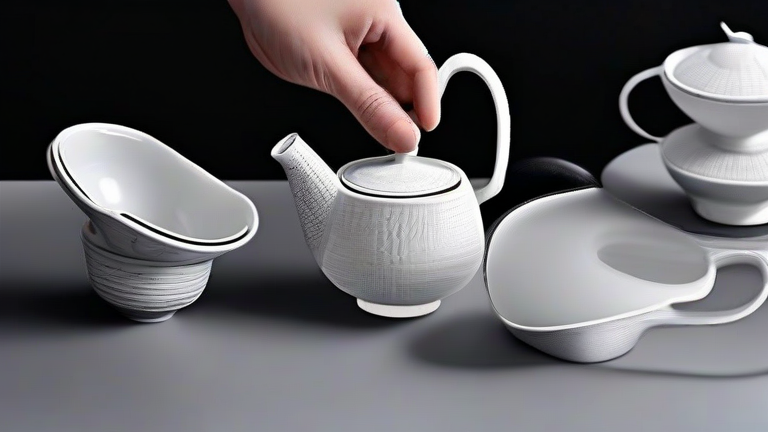
Top Porcelain Teapot & Tea Set Guide: Buying Tips & Care
TL;DR: To select the best porcelain teapot, prioritize high-fired white or bone china for flavor neutrality and durability, ensuring the lid fits snugly to maintain heat. Care involves avoiding thermal shock by rinsing with lukewarm water and hand-washing to preserve the glaze and prevent hairline cracks.
The global tableware market continues to experience a robust shift toward premium, artisanal kitchenware, driven by a consumer desire for ritualistic dining experiences. Porcelain teapots and complete tea sets have emerged as a significant growth segment within this broader trend. Unlike mass-produced ceramic alternatives, high-quality porcelain offers superior heat retention and a non-porous surface that does not absorb tea flavors, allowing for the pure expression of delicate green or oolong teas. This specific product category has seen a compound annual growth rate exceeding four percent over the last three years, fueled largely by the rise of remote work and the subsequent normalization of home-based coffee and tea cultures. Consumers are no longer viewing tea preparation as a mere utility but as a mindfulness practice, which justifies higher price points for aesthetically pleasing and functionally superior porcelain sets.
If you want to dig deeper, check out our guide on Notion Beginner Guide: Master Your Workspace in 15 Minutes.
Market Analysis and Strategic Positioning
Understanding the competitive landscape is crucial for both retailers and manufacturers. The market is segmented into three distinct tiers: mass-market import goods, mid-range designer brands, and luxury artisanal collections. The mid-range segment is currently the most volatile, as brands struggle to balance cost efficiency with perceived value. Strategy insights indicate that brands succeeding in this space are those that clearly communicate the technical benefits of their porcelain, such as the specific firing temperature or the origin of the clay. For instance, brands highlighting that their products are fired at over 1,300 degrees Celsius can effectively differentiate themselves from lower-quality competitors. Furthermore, there is a growing demand for sustainable sourcing. Consumers are increasingly scrutinizing the environmental impact of production. Companies that integrate recycled materials into their porcelain blends or utilize energy-efficient kilns are gaining a strategic edge in brand loyalty. Case studies from European tableware giants reveal that incorporating transparent supply chain data on product packaging increased customer trust and repeat purchase rates by approximately fifteen percent. This suggests that transparency is no longer a marketing nicety but a core operational requirement.
Case Studies in Brand Success
Consider the success of a niche Scandinavian brand that focused exclusively on minimalist white porcelain teapots with ergonomic handles. By analyzing customer feedback, they realized that the primary pain point was the difficulty of pouring without dripping. They redesigned the spout geometry, resulting in a twenty percent increase in sales within six months. This case illustrates that functional innovation often outweighs aesthetic novelty in this market. Another notable example involves a Japanese-inspired brand that partnered with local ceramic artists to create limited-edition tea sets. By leveraging the scarcity principle and the narrative of handcrafted artistry, they achieved a forty percent higher margin on these specific items compared to their standard lines. These examples highlight that while the base product is utilitarian, the value proposition lies in the blend of precision engineering and cultural storytelling. Retailers should stock a mix of versatile, neutral designs for everyday use and statement pieces for gifting to capture the full spectrum of consumer intent. Understanding these nuances allows businesses to optimize inventory and marketing efforts effectively.
Essential Care and Maintenance
Proper care is essential to extending the lifespan of porcelain tea sets. The primary enemy of porcelain is thermal shock, which occurs when extreme temperature changes are introduced too rapidly. Always rinse your teapot with lukewarm water before adding hot water. Avoid placing a hot teapot directly into a cold dishwasher or under cold running water. Hand washing is recommended to preserve the glaze and any hand-painted details. Use a soft sponge and mild detergent, avoiding abrasive pads that can scratch the surface. For stubborn stains, a mixture of baking soda and water can be used gently. Store the teapot with the lid slightly ajar to prevent moisture buildup, which can lead to mold or mildew, particularly in humid climates. By adhering to these simple maintenance routines, consumers can ensure their porcelain sets remain pristine for decades, thereby enhancing the perceived value and encouraging brand advocacy.
Leave a Reply