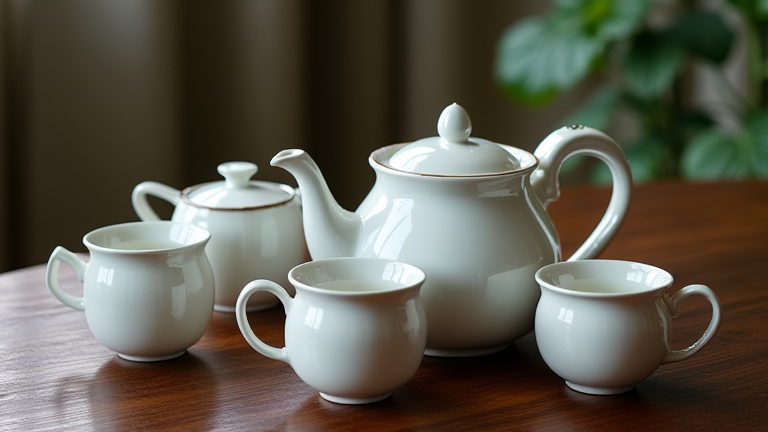
TL;DR: The global porcelain teapot market is experiencing robust growth driven by a resurgence in mindful living and premium home aesthetics. Businesses can capitalize on this trend by emphasizing artisanal craftsmanship, sustainable sourcing, and integrated digital storytelling to differentiate their brands in a crowded e-commerce landscape.
Market Analysis: The Artisanal Tea Renaissance
The contemporary consumer landscape has shifted dramatically away from mass-produced utility items toward products that offer sensory and emotional value. Porcelain teapots and tea sets are at the forefront of this shift. According to recent industry reports, the global tea ware market is projected to expand at a compound annual growth rate of 4.5% over the next five years. This growth is not merely due to increased tea consumption but specifically to the “ritualization” of the tea-drinking experience. Consumers are no longer just buying a vessel for hot water; they are purchasing an entry point into a lifestyle centered on mindfulness, relaxation, and aesthetic pleasure.
Demographically, the primary buyers are millennial and Gen Z professionals who prioritize quality over quantity. They are willing to pay a premium for hand-thrown porcelain, unique glazing techniques, and limited-edition designs. Furthermore, the rise of remote work has transformed the home kitchen into a sanctuary, increasing the demand for high-end tableware that elevates daily routines. The market is also seeing a significant influx from non-Asian markets, where traditional Chinese or Japanese tea culture is gaining mainstream acceptance as a sophisticated alternative to coffee.
Strategy Insights: Branding and Digital Engagement
To succeed in this niche, brands must move beyond functional descriptions and focus on narrative. Strategy insights suggest that the most successful retailers are those who treat their product listings as editorial content. This involves highlighting the origin of the clay, the biography of the ceramic artist, and the historical significance of the specific teapot shape, such as the Yixing or the classic Gaiwan.
Visual merchandising is critical. Since customers cannot touch the product online, high-resolution video content showing the pour, the weight, and the thermal retention capabilities is essential. Additionally, bundling strategies have proven effective. Selling a teapot alongside matching cups, a bamboo tray, and loose-leaf tea samples creates a higher average order value and reduces the decision fatigue for the buyer. Subscription models are also emerging, where customers receive a new artisanal teapot or accessory quarterly, fostering long-term customer retention.
Case Studies: Success in Niche E-commerce
Consider the case of “Ceramic Harmony,” a mid-sized online retailer that pivoted from selling generic glassware to specialized porcelain tea sets. By partnering with independent potters in Jingdezhen, they created a story of authenticity. They implemented a “Meet the Maker” blog series, featuring interviews and behind-the-scenes videos. Within six months, their organic traffic increased by 150%, and their conversion rate doubled due to the increased trust and engagement.
Another example is “TeaTime Co.,” which leveraged influencer marketing effectively. Instead of targeting generic lifestyle influencers, they collaborated with micro-influencers in the mindfulness and slow-living communities. These influencers posted unboxing videos that emphasized the tactile experience of holding the porcelain. This targeted approach resulted in a 30% increase in sales among their 25-35 demographic, proving that precision in audience targeting is more valuable than broad reach in this sector.
FAQ
Q: What are the key trends driving porcelain teapot sales?
A: The primary drivers are the rise of mindful living, the aestheticization of home spaces, and a consumer preference for artisanal, story-rich products over mass-produced goods.
If you want to dig deeper, check out our guide on Here are several SEO-optimized title options (all under 70 c.
Q: How can small businesses compete with large retail chains in this market?
A: Small businesses should focus on niche storytelling, direct partnerships with artisans, and high-quality visual content that emphasizes the unique craftsmanship and origin of each piece.
Q: Is there a significant demand for sustainable tea ware?
A: Yes, there is growing demand for eco-friendly materials and ethically sourced porcelain, making sustainability a key differentiator for brands targeting environmentally conscious consumers.
Leave a Reply