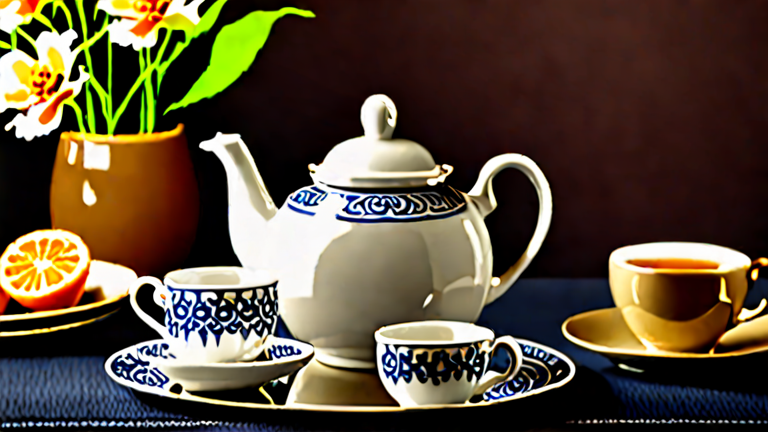
TL;DR: Master the art of brewing by properly preheating your porcelain teapot and using precise water temperatures to unlock the full flavor profile of your leaves. Maintain the integrity of your set by hand-washing with mild soap and avoiding sudden temperature shocks to prevent thermal shock cracks.
1. Inspect Your New Set
Before your first brew, examine your porcelain teapot and cups for any manufacturing flaws. Porcelain is generally non-porous, which makes it ideal for preserving the pure taste of tea without absorbing residual flavors. Check the lid, spout, and handles for any chips or hairline cracks. If you find defects, contact the seller immediately, as these can weaken the structural integrity over time and lead to breakage during regular use.
2. The Critical Preheat Step
Never pour hot water into a cold porcelain vessel. Thermal shock is the primary enemy of fine porcelain. Fill the teapot with boiling water and let it sit for thirty seconds. This warms the ceramic walls, preventing the glass from cracking due to rapid expansion. Pour this water into your cups to warm them as well, then discard the water. This step ensures an optimal brewing environment and protects your investment.
3. Measure Your Tea Accurately
Use a dedicated tea scoop rather than a standard spoon. A standard teaspoon is often too large for delicate porcelain sets. Aim for roughly one teaspoon of loose leaf tea per eight ounces of water, adjusting based on the specific leaf variety. White teas require less volume, while black or herbal teas may need slightly more. Consistent measurement ensures balanced flavor and prevents bitterness or weak brewing results.
4. Water Temperature Matters
Different teas require different water temperatures to extract the best flavors. Boiling water is suitable for black and herbal teas, but it will scorch delicate green or white teas. Allow the water to cool for three to five minutes after boiling for lighter teas. Using the correct temperature prevents the release of tannins that cause astringency and bitterness, resulting in a smoother cup.
5. Steeping Time Control
Set a timer immediately after pouring water. Over-steeping is the most common beginner mistake. Green teas typically steep for one to two minutes, while black teas require three to five minutes. Porcelain retains heat well, so the tea continues to brew even after pouring. Monitor the time closely to achieve the desired strength and avoid a bitter aftertaste that ruins the drinking experience.
6. Proper Pouring Technique
Hold the teapot firmly with one hand while gently pressing the lid with the other. This prevents leaves from clogging the spout. Pour slowly and steadily into each cup. The white interior of porcelain sets allows you to see the clarity of the tea. If the liquid appears cloudy, you may have over-steeped or used water that was too hot, indicating a need to adjust your technique for the next session.
7. Hand Washing Only
Porcelain is fragile. Never place your teapot or cups in a dishwasher. The high heat and abrasive detergents can damage glazes and weaken the ceramic structure. Wash by hand using warm water and a mild, unscented dish soap. Avoid harsh scrubbing pads that can scratch the glossy finish. Gentle care ensures your set remains pristine and functional for many years to come.
8. Drying and Storage
After washing, rinse thoroughly to remove all soap residue. Place the teapot upside down on a rack to air dry completely. Moisture trapped inside the pot can promote bacterial growth or mildew. Store your set in a dry, cool place, away from direct sunlight which can fade any painted designs. Ensure the lid is slightly ajar during storage to allow for air circulation and prevent stale smells.
9. Avoid Thermal Shocks
Be mindful of temperature changes. Do not pour boiling water into a frozen teapot, and do not place a hot teapot on a cold, wet surface. Sudden temperature changes can cause micro-fractures in the porcelain. Allow the vessel to cool naturally before washing or storing. This simple habit significantly extends the lifespan of your
Leave a Reply