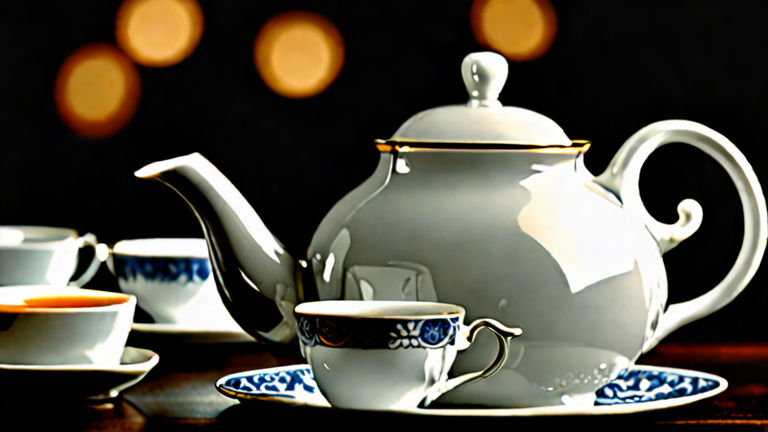
TL;DR: Choose a porcelain teapot by checking clay purity and glaze evenness, then match its size and spout to how many people you serve. Pair it with cups and a tray that share the same porcelain body for balanced heat retention and a cohesive look.
1. Inspect the Porcelain Body
Hold the teapot against light. Quality porcelain is translucent, with no gray patches or bubbles. Tap the rim gently; a clear ring means the clay was fired evenly. Avoid pots with rough interior glazes, which trap tea oils and odors.
If you want to dig deeper, check out our guide on Elevate Your Ritual: Timeless Porcelain Tea Sets & Lifestyle.
2. Match Size to Your Tea Ritual
A 200–300 ml pot suits one or two drinkers. For four or more, choose 600–900 ml. Small pots concentrate aroma for oolong and pu-erh; larger pots work better for black tea and herbal blends. Always measure the filled capacity, not the dry volume.
3. Test the Spout and Handle
Fill the pot with water and pour. A good spout delivers a smooth, laminar stream that stops cleanly without dripping. The handle should feel balanced when full and leave enough room for your knuckles. A slight forward tilt without strain is ideal.
4. Choose Cups and Tray
Porcelain cups should be thin-walled to cool tea quickly. Match cup capacity to the pot: a 250 ml pot typically fills two 100 ml cups with room to spare. Select a tray with raised edges and drainage holes to catch drips and protect your table.
5. Check the Lid Fit
The lid should sit snugly but lift easily with one finger. A loose lid loses heat; a too-tight lid may chip. Some pots include a small vent hole—this prevents pressure buildup and improves pouring.
FAQ
Q: Is bone china better than standard porcelain for teapots?
A: Bone china contains bone ash, making it thinner and more translucent, but standard porcelain is more durable and chip-resistant for daily use.
Q: How do I remove tea stains from a porcelain teapot?
A: Fill it with warm water and a teaspoon of baking soda, let it sit for 30 minutes, then rinse. Avoid abrasive scrubbers that dull the glaze.
Q: Can I use a porcelain teapot on a stovetop?
A: No. Porcelain teapots are for brewing only—never place them on direct heat. Preheat with warm water before pouring boiling water to prevent thermal shock.
Leave a Reply