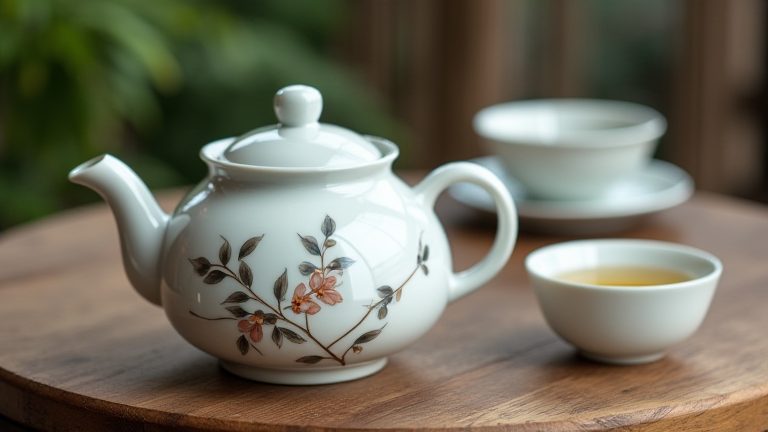
Porcelain Teapot Tutorial: How to Choose & Use Your Tea Set
TL;DR: Select a high-quality porcelain teapot with a tight-fitting lid and a smooth interior to ensure optimal heat retention and flavor purity. Preheat your set with hot water before steeping to maintain consistent temperature and enhance the tea’s aromatic profile.
Step 1: Evaluating Quality and Design
When shopping for a porcelain tea set, prioritize the material’s density and finish. High-grade porcelain is non-porous, which prevents the absorption of previous tea flavors and ensures that your green, black, or oolong teas taste exactly as intended. Inspect the teapot for any microscopic cracks or uneven glazing, as these can harbor bacteria or cause the pot to shatter under thermal shock. Look for a lid that sits flush against the rim; a tight seal is crucial for retaining heat during the steeping process. Additionally, consider the shape of the spout. A well-designed spout should pour in a steady, controlled stream without dripping, allowing you to decant the tea precisely when you are ready to serve. The handle should be comfortable to grip, even when the pot is filled with hot liquid, ensuring safety during daily use.
If you want to dig deeper, check out our guide on Porcelain Teapots: Health Benefits of Brewing Tea in Ceramic.
Step 2: Proper Preparation and Care
Before using your new porcelain set, wash it thoroughly with warm water and a mild, fragrance-free soap to remove any factory residues. Rinse well and dry with a soft cloth. For subsequent uses, avoid harsh detergents that can strip the glaze. When preparing to brew, preheat the teapot and cups by rinsing them with boiling water. This step is vital for porcelain because it brings the vessel to temperature, preventing a sudden drop in heat when you add the water, which can result in under-extracted tea. Place the appropriate amount of loose leaf tea into the pot, add your pre-measured hot water, and secure the lid. Steep according to the specific tea’s guidelines, which can range from one minute for delicate greens to five minutes for robust blacks. Always decant the tea completely into a serving pitcher or directly into cups to prevent over-steeping, which leads to bitterness.
Step 3: Maintenance and Longevity
After each use, allow the teapot to cool down before washing it in hot water. Thermal shock is the primary enemy of porcelain; washing a hot pot in cold water can cause it to crack instantly. Use a soft sponge or a dedicated teapot brush to clean the interior, removing any tea leaves that may have settled at the bottom. Do not use abrasive scrubbers, as they can scratch the glaze. Store your porcelain set in a dry, secure place to avoid chipping. If you notice any tea stains despite your cleaning efforts, a paste of baking soda and water can gently lift them without damaging the surface. Proper care ensures that your porcelain teapot remains a beautiful and functional centerpiece for your tea rituals for years to come.
FAQ
Q: Can I use a porcelain teapot for all types of tea?
A: Yes, porcelain is neutral and non-porous, making it ideal for all tea types, from delicate greens to strong blacks, as it does not alter the flavor.
Q: How do I prevent my porcelain teapot from cracking?
A: Avoid thermal shock by preheating the pot with hot water before brewing and never washing a hot pot with cold water; always let it cool down first.
Q: What is the best way to clean stubborn tea stains?
A: Create a paste with baking soda and water, apply it to the stains, and gently scrub with a soft sponge before rinsing thoroughly with warm water.
Leave a Reply