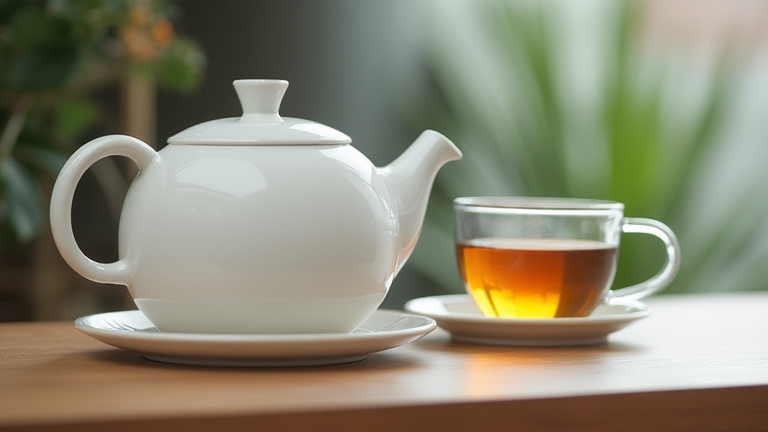
Smart Porcelain Teapots: 5 Tech Features for Better Tea Brewing
TL;DR: Smart porcelain teapots integrate precise temperature control, real-time steeping timers, and app connectivity to optimize flavor extraction for various tea types. These devices combine traditional ceramic aesthetics with IoT sensors to eliminate human error, ensuring consistent, high-quality brews for enthusiasts and casual drinkers alike.
The intersection of artisanal ceramics and modern electronics has given rise to a new category of kitchen appliances: the smart porcelain teapot. Unlike plastic or glass counterparts, porcelain retains heat effectively and does not impart unwanted flavors, making it the ideal medium for smart integration. The latest developments in this niche focus on enhancing user experience without compromising the visual elegance of traditional tea sets. Here are five key technological features defining the current market.
First, precision PID temperature control is the cornerstone of smart brewing. Standard kettles often overshoot their target temperature, scorching delicate green or white teas. Smart porcelain teapots utilize closed-loop feedback systems to maintain water temperatures within a one-degree Celsius range. This ensures that the specific chemical compounds in the tea leaves are extracted at the optimal moment, preserving nuanced aromas and preventing bitterness.
Second, integrated pressure sensors and flow meters allow for automated steeping cycles. Once the user selects a tea profile via the accompanying mobile app, the teapot calculates the exact steeping duration. High-end models feature silent magnetic valves that dispense tea automatically when the optimal extraction point is reached, preventing over-steeping. This automation is particularly beneficial for complex oolong teas that require multiple infusions with varying times.
Third, app connectivity enables data-driven customization. The companion applications track brewing history, allowing the device to learn user preferences over time. For instance, if a user consistently extends the steeping time for a specific black tea, the algorithm adjusts future recommendations. This personalized approach transforms the teapot from a passive vessel into an active brewing assistant, adapting to individual taste profiles.
Fourth, battery life and portability have seen significant improvements. Early models were tethered to power sources, limiting their utility. Recent iterations feature lithium-polymer batteries that support up to twenty brews on a single charge. The porcelain casing is now designed with internal thermal insulation, reducing energy consumption during the steeping phase. This makes these devices suitable for office environments and travel, expanding their market reach beyond the home kitchen.
Finally, aesthetic integration remains a critical spec. Manufacturers are embedding sensors and microchips within the hollow base or handle without disrupting the ceramic finish. This invisible tech allows the teapot to fit seamlessly into existing tea sets, appealing to consumers who value both functionality and interior design. The industry impact is substantial, as this innovation is driving a resurgence in tea consumption among younger demographics who prioritize convenience and data-driven optimization. By merging heritage with innovation, smart porcelain teapots are setting a new standard for beverage preparation, promising a future where every cup is brewed to perfection.
FAQ
Q: Do smart porcelain teapots require special tea leaves to function?
A: No, these devices work with any standard loose-leaf or bagged tea, but they are most effective with high-quality loose leaves that benefit from precise temperature and time control.
If you want to dig deeper, check out our guide on Porcelain Teapot Buying Guide: Best Tea Sets for Modern Home.
Q: How often do I need to replace the internal electronic components?
A: Most high-end models feature modular design, allowing users to replace the electronic base or sensor unit every three to five years, while the porcelain body can last for decades.
Q: Can I use these teapots for beverages other than tea?
A: While optimized for tea, the precision heating elements can technically brew other hot beverages, though the smart profiles are specifically calibrated for the chemical extraction of various tea types.
Leave a Reply