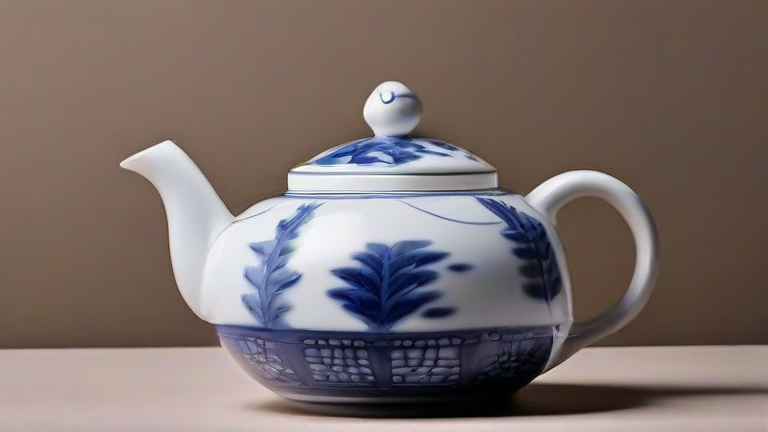
TL;DR: To use a porcelain teapot, warm it with hot water before adding tea leaves, steep for the recommended time, and pour completely. Care involves hand-washing with mild soap, avoiding thermal shock, and storing dry to prevent odors.
How to Use Your Porcelain Teapot
Begin by rinsing your porcelain teapot with hot water. This crucial step warms the vessel, ensuring the water temperature remains consistent for optimal brewing. It also removes any dust from the factory or storage. Next, add the appropriate amount of loose tea leaves to the pot. For porcelain, which has a neutral taste profile, you can brew any type of tea, from delicate green to robust black. Pour the heated water over the leaves. The amount of water should fill the pot to the recommended line, usually just below the spout.
If you want to dig deeper, check out our guide on Smart Teapots: How Tech is Revolutionizing Your Tea Ritual.
Let the tea steep for the specific duration required by the variety. Green teas generally need one to two minutes, while black teas may require three to five. Porcelain does not absorb flavors, so you will get a pure expression of the tea’s characteristics. When ready, pour the tea into cups. Ensure you empty the pot completely to prevent over-steeping, which can make the next infusion bitter. If you plan to make a second round, simply add hot water again immediately.
Caring for Your Tea Set
Porcelain is durable but requires gentle handling to maintain its glossy finish. Always wash your teapot and cups by hand using warm water and a mild, fragrance-free dish soap. Avoid using abrasive scouring pads, as they can scratch the glaze. While porcelain is non-porous, it is wise to clean it promptly after use to prevent any potential staining from heavily colored teas like oolongs or dark roasts. Do not place a cold porcelain teapot directly under a hot tap, as rapid temperature changes can cause cracking. Similarly, avoid placing a hot pot on a cold surface.
Drying is essential for long-term care. After washing, shake out excess water and leave the lid off to air-dry completely before storage. Storing a damp teapot can lead to the development of mildew or stale odors, even in non-porous materials. If you notice any cloudiness or stains, a paste of baking soda and water can gently remove them without damaging the glaze. Keep your porcelain set away from direct sunlight for extended periods, as UV rays can sometimes affect the vibrancy of painted designs.
Finally, handle your teapot with care, paying special attention to the handle and spout, which are the most vulnerable points. By following these simple steps, your porcelain tea set will remain a beautiful and functional part of your daily ritual for years to come. The elegance of porcelain lies in its simplicity, and proper maintenance ensures it continues to shine.
FAQ
Q: Can I put porcelain in the dishwasher?
A: Yes, most modern porcelain is dishwasher safe, but hand-washing is recommended to preserve hand-painted designs and prevent potential chipping from the machine’s agitation.
Q: Does porcelain absorb tea flavors like clay?
A: No, porcelain is non-porous and has a neutral taste, making it ideal for brewing any type of tea without absorbing or imparting external flavors.
Q: How do I remove a stubborn tea stain from my teapot?
A: Mix a paste of baking soda and water, apply it to the stained area, let it sit for thirty minutes, then scrub gently with a soft cloth and rinse thoroughly.
Leave a Reply