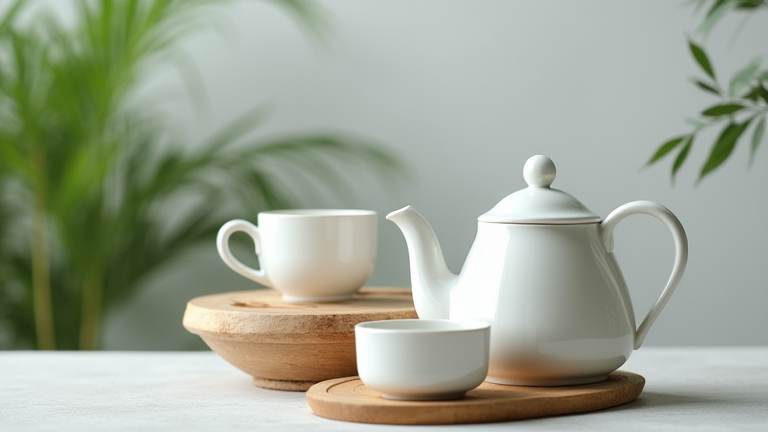
TL;DR: Porcelain teapots are a safe, non-toxic choice for brewing tea because they are chemically inert and free from lead or cadmium when properly glazed. They preserve the delicate flavors of your tea while offering a hygienic, lead-free vessel that supports a healthier daily wellness routine.
The Chemistry of Safety in Your Kitchen
When selecting a teapot, many enthusiasts worry about potential leaching of harmful chemicals from the vessel into their beverage. Unlike unglazed clay or low-quality ceramic, high-quality porcelain is fired at extremely high temperatures, typically between 1,200 and 1,400 degrees Celsius. This intense heat vitrifies the material, creating a dense, non-porous structure that is impervious to water and steam. Consequently, porcelain does not absorb flavors or odors, ensuring that your morning green tea or evening chamomile remains pure. Furthermore, reputable porcelain teapots and tea sets are crafted with lead-free glazes, eliminating the risk of heavy metal contamination. This makes them an ideal choice for households with children or for those strictly adhering to non-toxic living standards. The smooth surface of porcelain also prevents bacteria from nesting in microscopic pores, which is a common issue with porous earthenware. By choosing a high-fired porcelain vessel, you are making a science-backed decision that prioritizes long-term health safety without compromising on aesthetics or functionality.
If you want to dig deeper, check out our guide on Smart Teapots: Tech-Infused Tea Sets & Pour-Over Precision.
Preserving Flavor and Nutrients
Beyond safety, porcelain excels at preserving the chemical integrity of your tea. Tea is rich in polyphenols, catechins, and amino acids like L-theanine, which contribute to its antioxidant properties and calming effects. Because porcelain is an inert material, it does not interact with these compounds. In contrast, reactive metals or porous unglazed clays can alter the pH level or absorb essential nutrients, potentially diminishing the health benefits of your brew. A porcelain teapot allows for precise temperature control, which is crucial for different tea types. Delicate white and green teas require lower brewing temperatures to avoid bitterness, while black and oolong teas benefit from higher heat to release their robust profiles. The thermal mass of porcelain helps maintain a stable temperature during steeping, ensuring optimal extraction of beneficial compounds. This consistency allows you to maximize the potential health benefits of your tea, from improved digestion to enhanced mental clarity. Additionally, the translucency of fine porcelain allows you to observe the color and clarity of your tea, providing a visual cue for the perfect steeping time. This attention to detail supports a mindful brewing process, which is inherently a wellness practice in itself.
Care and Maintenance for Longevity
To maintain the non-toxic nature and hygiene of your porcelain tea set, proper care is essential. Always hand wash your teapot with mild dish soap and a soft sponge to avoid scratching the glaze. Avoid using abrasive cleaners, as they can damage the surface and potentially expose underlying materials. Rinse thoroughly to ensure no soap residue remains, which could affect the taste of your next brew. Allow the teapot to air dry completely before storing it to prevent mold growth. Regular inspection for chips or cracks is also recommended. If you notice any damage, it is best to retire the teapot, as the integrity of the glaze may be compromised. By following these simple maintenance tips, you can ensure that your porcelain teapot remains a safe, durable, and beautiful companion for years to come, supporting your daily wellness rituals with peace of mind.
FAQ
Q: Are all porcelain teapots lead-free?
A: Not necessarily, so it is crucial to buy from reputable manufacturers who explicitly state that their products are lead-free and cadmium-free, especially if they feature colorful decorative patterns.
Q: Can porcelain teapots be used for boiling water directly on a stove?
A: No, standard porcelain teapots are not designed to withstand direct heat sources like gas or electric stoves; they should be used for steeping tea with water boiled separately in a kettle.
Q: Does porcelain affect the taste of sensitive teas like white tea?<br
Leave a Reply