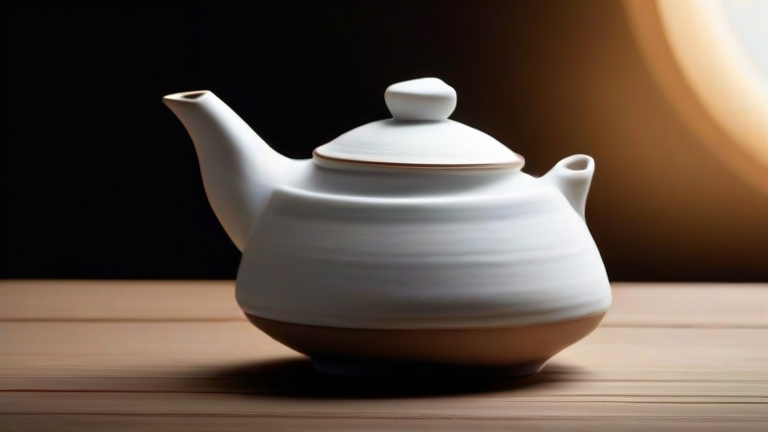
TL;DR: Porcelain teapots preserve the delicate aromatic compounds of tea and maintain consistent brewing temperatures, enhancing both flavor and health benefits. While clay teapots absorb flavors, porcelain’s non-porous nature ensures a pure, uncontaminated cup that supports daily wellness routines.
The Art of the Pure Sip
Choosing the right vessel for your tea is not merely an aesthetic decision; it is a functional choice that impacts the chemistry of your beverage. While traditional clay teapots, such as Yixing zisha, are famous for their ability to season and absorb flavors, they are not ideal for every type of tea. Porcelain, a type of fine ceramic, has emerged as the superior choice for many health-conscious tea drinkers due to its inert properties and thermal efficiency. Understanding why porcelain is the preferred material for many modern tea sets is the first step toward optimizing your daily ritual.
If you want to dig deeper, check out our guide on Elevate Your Ritual: Timeless Porcelain Teapots for Modern L.
First, porcelain is completely non-porous. Unlike unglazed clay, which can trap oils and tannins from previous brews, porcelain does not retain flavors. This is crucial for health because it prevents flavor cross-contamination. If you enjoy a variety of teas, from delicate white teas to robust black teas, a porcelain teapot ensures that each cup tastes exactly as it should. This purity allows you to fully experience the specific health benefits associated with different tea varieties, such as the high antioxidant content in green tea or the calming L-theanine in white tea.
Second, porcelain excels at temperature retention. Tea brewing requires precise temperature control to avoid extracting bitter tannins while maximizing the release of beneficial polyphenols. Porcelain holds heat well, keeping your water at the optimal brewing temperature for the duration of the steep. This consistency ensures that you are extracting the maximum amount of catechins and flavonoids, which are linked to reduced inflammation and improved cardiovascular health. A consistent brew means a consistent dose of these protective compounds.
Third, porcelain is generally more hygienic and easier to clean. The smooth, glazed surface prevents bacteria and mold from nesting in microscopic pores, a common issue with porous clay. For health and wellness, hygiene is paramount. A clean teapot reduces the risk of ingesting harmful microorganisms, ensuring that your tea remains a safe and pure source of hydration. Regular cleaning with mild soap is sufficient, avoiding the need for harsh chemicals that could leave residues.
Fourth, the aesthetic appeal of porcelain can enhance the mindfulness aspect of tea drinking. The visual appeal of a high-quality porcelain tea set can turn a simple act of hydration into a meditative practice. Mindfulness has been scientifically proven to reduce stress and lower blood pressure. By focusing on the beauty of the porcelain and the ritual of brewing, you create a pause in your day that promotes mental well-being.
Fifth, porcelain is durable and resistant to cracking. Unlike some fragile ceramics, high-quality porcelain can withstand daily use and minor temperature shocks. This durability means that your investment in a quality tea set lasts longer, supporting a sustainable lifestyle. A long-lasting teapot encourages the habit of using a dedicated vessel for tea rather than resorting to mugs that may contain BPA or other plastics, further promoting health.
Sixth, porcelain is a neutral canvas that does not alter the pH of your tea. Some materials can leach trace metals or alter the acidity of the liquid. Porcelain remains chemically stable, ensuring that the natural balance of your tea is preserved. This is important for individuals with sensitive stomachs or those monitoring their acid intake. The neutrality of porcelain supports digestive health by providing a clean, unaltered beverage.
Seventh, using a porcelain teapot encourages proper portioning. Many porcelain teapots are designed with specific capacities that align with standard tea-to-water ratios. This helps prevent over-brewing, which can lead to excessive caffeine intake or bitterness. Proper portioning supports better sleep and energy management, contributing to overall lifestyle balance. By using a teapot designed for optimal volume, you make healthier brewing choices effortlessly.
FAQ
Q: Is porcelain better than glass for brewing tea?
A: Yes, porcelain generally provides better insulation than glass
Leave a Reply