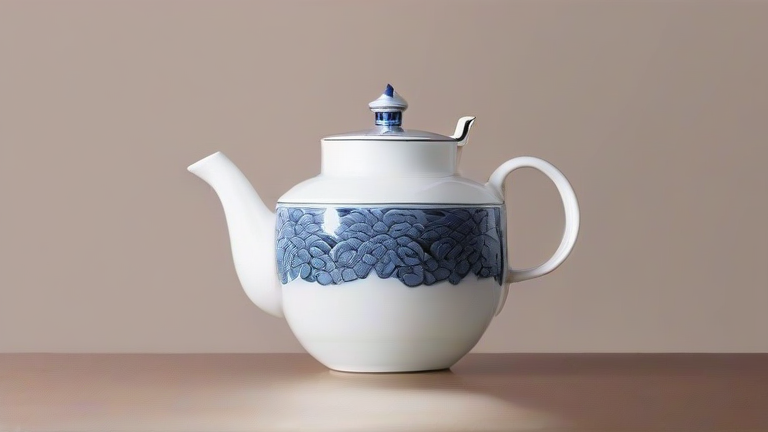
TL;DR: Porcelain teapots transform a daily caffeine fix into a mindful ceremony, blending heat retention with tactile elegance. They are the quiet luxury that turns your kitchen counter into a personal tea house, one slow pour at a time.
The Art of the Slow Pour
In a world that rewards speed, the porcelain teapot is a gentle rebellion. Unlike cast iron or glass, porcelain does not just hold tea—it cradles it. The material’s molecular density allows for even heat distribution, meaning your oolong or white tea steeps uniformly, releasing nuanced floral notes that a hurried mug never captures. But the real magic lies in the ritual: the weight of the lid, the whisper of the spout, the deliberate tilt of your wrist. Each motion slows your breath, turning a Tuesday morning into a small act of self-respect.
If you want to dig deeper, check out our guide on Top 10 Porcelain Teapots & Sets for Business Gifting.
Why Porcelain, Why Now?
Travel bloggers and minimalist chefs have long championed the Japanese kyusu or the Chinese gaiwan, but the classic porcelain teapot—with its hand-painted cobalt or celadon glaze—offers something else: a bridge between cultures. Whether you are brewing a smoky Lapsang Souchong in a London flat or a jasmine pearl in a Brooklyn loft, the porcelain vessel adapts. It does not absorb flavors like unglazed clay, so you can switch from a robust black tea to a delicate green without ghosting the next cup. This neutrality is its superpower. It is also dishwasher-safe (if you avoid gold trim), making it a practical heirloom for busy lives.
A Personal Growth Angle: Patience as a Flavor
Using a porcelain teapot teaches you something about timing. You cannot rush a proper second infusion. You must wait for the water to drop from a rolling boil to 85°C (185°F) for green teas. That three-minute pause is not wasted—it is a meditation. Over weeks, this micro-practice rewires your relationship with waiting. You learn that the best aromas emerge only after you stop checking your phone. In a culture obsessed with instant gratification, a teapot becomes a tiny monastery. And when you pour for a friend, the act becomes hospitality—not performance, but presence.
Choosing Your Vessel: Form and Function
When selecting a porcelain teapot, look for a snug-fitting lid (it should not wobble) and a spout that drips cleanly. A 300–500 ml capacity is ideal for solo rituals or two-person conversations. Hand-painted motifs from Jingdezhen, China, or Limoges, France, add narrative, but even a stark white pot works—it lets the amber liquor take center stage. Pair it with matching cups or mix-and-match for an eclectic table. The set becomes a conversation starter, a tactile story you share with guests.
Final Steep
Porcelain teapots are not just kitchenware; they are anchors for memory. The chipped rim from a hurried morning, the glaze crazed from years of hot water—these are not flaws, but logs of your life. Elevate your ritual by choosing a vessel that demands nothing but your attention. In return, it gives you a reason to pause, to breathe, and to taste the world one cup at a time.
FAQ
Q: Can I use a porcelain teapot on a stovetop or in a microwave?
A: No. Porcelain is fired for serving, not direct heat. Boil water separately and warm the pot with a rinse of hot water before brewing to avoid thermal shock.
Q: How do I remove stubborn tea stains from a porcelain teapot?
A: Fill the pot with warm water and add one teaspoon of baking soda; let it sit for 10 minutes, then gently scrub with a soft sponge. Avoid abrasive pads that can scratch the glaze.
Q: Is it better to buy a full matching tea set or a single teapot?
A: A
Leave a Reply