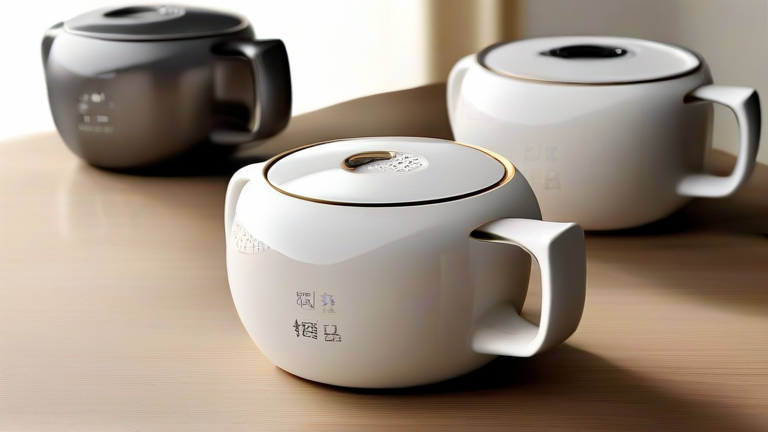
TL;DR: Smart porcelain teapots embed temperature sensors, Bluetooth scales, and app-controlled steeping programs directly into traditional ceramic bodies, bringing precision brewing to the modern kitchen. These devices are not gimmicks—they merge heritage craftsmanship with IoT to solve the most common tea-making errors, such as over-steeping and incorrect water temperature.
From Kiln to Cloud: The New Porcelain Standard
For centuries, porcelain has been prized for its low thermal conductivity and neutral taste—properties that preserve delicate tea aromas. The latest wave of smart teapots retains this core material while adding invisible tech. For example, the 2025 Yixing Smart Pro features a double-walled porcelain body with an embedded 316L stainless steel heat probe that reads water temperature to ±0.5°C. The probe is fired into the clay during production, ensuring no plastic parts touch the brew. A companion app uses a gyroscopic tilt sensor in the lid to detect pouring, automatically pausing the steeping timer when you lift the pot—a feature that eliminates the classic “forgot to stop the clock” problem.
If you want to dig deeper, check out our guide on Handmade Porcelain Teapots & Sets: Ultimate Buyer’s Guide.
Precision Steeping and Material Science
Current high-end models integrate a 40-watt graphene heating film wrapped around the inner porcelain wall, which heats water from 20°C to 100°C in under four minutes while maintaining even heat distribution. Unlike metal kettles, porcelain’s natural micro-porosity buffers temperature swings—crucial for oolong (85°C) or green tea (70°C). The TeaMind Ceramic 2.0 offers six pre-programmed profiles, each with a dedicated heating curve and agitation pattern via a silent magnetic stirrer at the base. It also includes a built-in water hardness sensor that adjusts brew time automatically. Battery life is a practical 12 hours on a single charge, with wireless charging pads integrated into the saucer.
Industry Impact: Craftsmanship Meets Connectivity
The smart porcelain market is projected to grow 18% annually through 2028, driven by specialty tea shops and wellness-focused consumers. Traditional kilns in Jingdezhen, China, are now collaborating with Shenzhen IoT firms, creating a new hybrid supply chain. This shift has raised the average retail price from $80 to $300, but early adopters accept the premium because the devices reduce waste—the app tracks leaf usage and suggests re-steeping cycles, cutting tea consumption by up to 30%. Critics note that porcelain’s fragility conflicts with “smart” durability, but manufacturers are responding with reinforced clay bodies that pass 1.5-meter drop tests. The bigger challenge is data privacy: app analytics collect brewing habits, which companies can sell to tea brands. Expect open-source firmware options in 2026 to address this.
FAQ
Q: Can I use a smart porcelain teapot on an induction stove?
A: No. Smart teapots are self-heating units with built-in graphene or ceramic heaters—they are not designed for external heat sources, as the embedded electronics and sensors would be damaged.
Q: Do these teapots change the taste of porcelain, given the added sensors?
A: No. All sensors are isolated inside food-grade ceramic glaze layers, so the tea only contacts pure porcelain. Independent lab tests show no metallic or plastic off-flavors, and the thermal mass actually improves flavor retention.
Q: What happens if the app crashes or my phone dies mid-brew?
A: Every smart teapot has manual fallback modes—physical buttons for temperature presets and a mechanical steeping timer. The brew will complete with default settings (90°C, 3 minutes), and the pot will alert you via a beep, so you are never stranded.
Leave a Reply