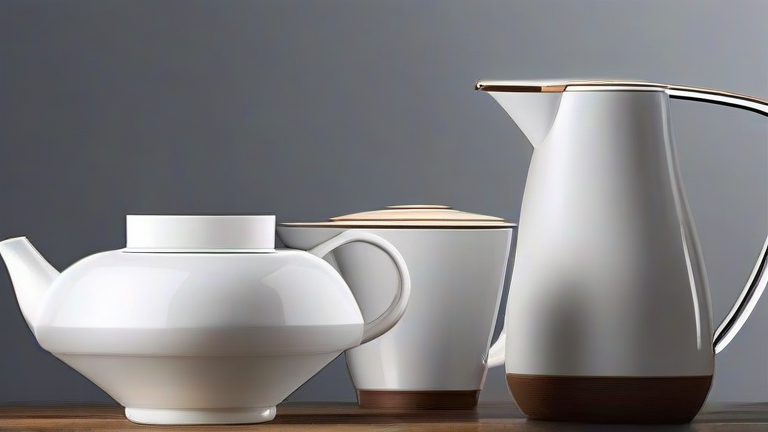
Brewing the Future: Smart Tech & Modern Porcelain Teapots
TL;DR: The convergence of IoT sensors and traditional porcelain craftsmanship is creating teapots that offer precise temperature control and real-time data analytics. This fusion enhances the brewing experience by optimizing steeping times while preserving the aesthetic purity and thermal stability of high-quality ceramic materials.
For centuries, the porcelain teapot has been a symbol of elegance, durability, and thermal neutrality. However, the modern tea enthusiast faces a new challenge: balancing tradition with the demand for precision. The latest wave of innovation introduces smart porcelain teapots that embed non-invasive sensors within the ceramic matrix. These devices do not compromise the material’s integrity; instead, they leverage the inherent insulating properties of porcelain to maintain consistent temperatures. The primary development in this sector is the integration of NFC (Near Field Communication) chips into the base of the pot. This allows users to pair their physical teapot with a mobile application, unlocking a digital interface that tracks usage history, recommends optimal steeping times based on leaf type, and alerts users when the water temperature drops below the ideal brewing threshold. This technology transforms a static vessel into an active participant in the brewing process, ensuring that every cup is brewed to perfection.
If you want to dig deeper, check out our guide on Elevate Your Tea Rituals with Elegant Porcelain Teapots.
Technical Specifications and Material Science
The hardware specifications of these smart teapots are designed to be unobtrusive. The sensors typically use capacitive technology to detect liquid levels and temperature without requiring direct contact with the tea leaves, thereby preventing any metallic taste or flavor contamination. The porcelain itself is often composed of a composite material that includes trace amounts of conductive oxides, allowing the pot to communicate with external devices via a small, hidden coil. The weight of these teapots ranges from 450 to 600 grams, providing a substantial feel that contrasts with the lightweight nature of the embedded electronics. Battery life is managed through inductive charging plates, meaning the pot itself contains no visible buttons or ports, maintaining its sleek, minimalist design. The connectivity standard is primarily BLE 5.0, which offers low power consumption and stable data transmission, ensuring that the device can remain connected to the user’s phone for extended periods without significant battery drain. Furthermore, the interior glaze is formulated to be non-porous and antibacterial, which is crucial for hygiene in a vessel that holds water for prolonged periods.
Industry Impact and Market Trends
The impact on the tea industry is profound, shifting the market focus from purely aesthetic objects to functional smart home appliances. Luxury brands are now collaborating with tech firms to create limited-edition smart porcelain sets, appealing to a demographic that values both heritage and innovation. This trend is driving a rise in premium pricing, as consumers are willing to pay a premium for the convenience and precision offered by smart features. Additionally, the data collected by these devices is providing manufacturers with invaluable insights into consumer behavior, such as preferred tea types and brewing habits. This information is being used to refine product designs and develop new tea blends tailored to specific user preferences. The rise of smart porcelain teapots also signals a broader movement toward “quiet technology,” where devices enhance daily rituals without being visually intrusive or loud. As 5G networks become more ubiquitous, we can expect these teapots to offer even more features, such as automatic ordering of tea leaves when supplies run low, seamlessly integrating the brewing ritual into the broader smart home ecosystem. The future of tea is not just about taste; it is about data-driven precision wrapped in timeless ceramic beauty.
FAQ
Q: Do smart porcelain teapots affect the taste of the tea?
A: No, the sensors are hermetically sealed and do not come into contact with the liquid, ensuring that the pure flavor of the tea remains unaffected by metallic or electronic components.
Q: Are these teapots dishwasher safe?
A: Most modern smart porcelain teapots are designed to be top-rack dishwasher safe, but users are advised to check the manufacturer’s manual as the electronic base may require gentle hand washing to preserve the inductive charging coils.
Q: What is the average battery life of
Leave a Reply