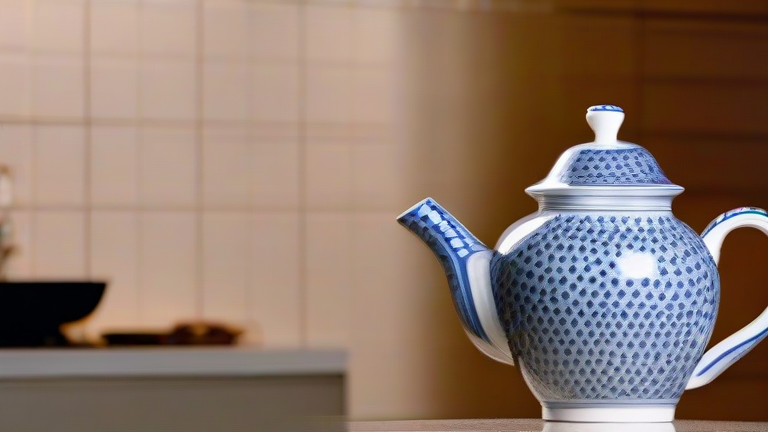
TL;DR: Clean your porcelain teapot after every use with warm water and a soft sponge, and deep-clean monthly using baking soda or white vinegar to remove stains and odors. Never use abrasive scrubbers or dishwasher detergent, as these will dull the glaze and can cause crazing (tiny cracks).
Why Porcelain Demands Special Care
Porcelain is a high-fired ceramic with a glass-like glaze, making it non-porous and resistant to absorbing flavors—but that same delicacy means it chips easily and reacts poorly to thermal shock. Unlike stoneware or cast iron, porcelain cannot handle rapid temperature changes (never put cold water into a hot pot, or vice versa). The glaze is also susceptible to etching from acidic cleaners, so you must stick to pH-neutral or mildly alkaline solutions. This guide covers daily rinsing, weekly degreasing, and monthly stain removal, plus storage rules to keep your teapot gleaming for decades.
If you want to dig deeper, check out our guide on Elevate Your Home: Stylish Porcelain Teapots for Modern Livi.
Step 1: Immediate Rinse (After Every Brew)
Empty the pot immediately after your tea session. Rinse with warm (not hot) tap water to remove loose leaves and residual liquor. Do not let tea sit overnight—tannins will bond to the glaze, creating brown rings that become increasingly stubborn. Use your fingers or a soft silicone spatula to dislodge leaves from the spout, but never insert anything metal. If leaves are stuck, fill the pot halfway with warm water, swish gently, and pour out. Repeat until water runs clear.
Step 2: Weekly Gentle Wash
Once a week, wash with a drop of mild dish soap (free from lemon or bleach) and a soft cellulose sponge. Avoid the inside of the spout—use a narrow bottle brush with natural bristles, rinsing thoroughly. For the exterior, wipe in straight lines, not circles, to avoid micro-scratches that dull the sheen. Rinse with warm water for at least 30 seconds to remove all soap residue. Pat dry with a lint-free cotton cloth, then air-dry upside down on a dish rack with the lid off.
Step 3: Monthly Deep-Clean for Stains & Odors
For brown tea stains inside, fill the pot with 2 tablespoons of baking soda and hot (not boiling) water. Let it soak for 2 hours, then scrub gently with a soft sponge. For stubborn mineral deposits or lingering odors, use a 1:1 solution of white vinegar and warm water, soak for 30 minutes, then rinse thoroughly. Never boil vinegar in porcelain—the acid plus heat can weaken the glaze. If stains persist, make a paste of baking soda and water, apply to the stained area with a soft cloth, let dry for 15 minutes, then rinse.
Step 4: Spout & Lid Detail Cleaning
The spout is the most neglected area. Use a thin, flexible pipe cleaner or a dedicated teapot spout brush (available from tea accessory shops). Dip the brush in a baking soda solution and gently twist inside the spout to dislodge dried tea residue. For the lid knob, wipe with a damp cotton swab to remove oil from your fingers. Check the lid’s rim for tiny chips—if you feel a rough edge, stop using the pot immediately, as micro-fractures can spread.
Step 5: Drying & Storage Best Practices
After cleaning, dry the pot completely before storing—trapped moisture causes mold and mildew. Place the pot on its side on a folded towel for 24 hours to ensure internal airflow. Store with the lid slightly ajar (place a toothpick between lid and rim) to prevent a musty smell. Do not stack other ceramic items inside the pot. Keep it away from direct sunlight and heat sources, as UV rays can fade the glaze’s color. If you have a matching set, store cups and saucers separately with felt pads between them.
Step 6: What to Never Do
Never use steel wool, abrasive powder cleaners, or bleach-based products. Never put a
Leave a Reply