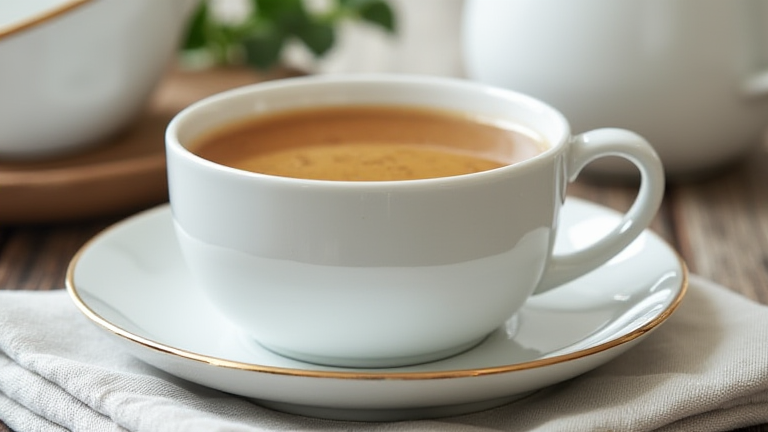
TL;DR: Porcelain tea sets transform daily hydration into a ritual of mindfulness, connecting you to centuries of craftsmanship while slowing down your pace. Their timeless charm lies in the delicate balance of form and function—a tactile invitation to savor both the tea and the moment.
The Art of the Pour: Why Porcelain Matters
In an age of disposable mugs and hurried sips, a porcelain tea set is a quiet rebellion. Unlike stoneware’s earthy weight or glass’s transparency, porcelain—fired at high temperatures to a glass-like finish—offers a unique thermal stability. It keeps your oolong or jasmine at the perfect temperature without burning your fingers, while its non-porous glaze means no lingering bitterness from yesterday’s brew. But the real magic is sensory: the paper-thin rim against your lips, the soft “ping” when the lid taps the pot, the way light dances across hand-painted cobalt or celadon. Each pour becomes a small ceremony, a pause that turns a rushed morning into a private tea house moment.
If you want to dig deeper, check out our guide on Top 7 Home Decor Trends for Small Apartments.
From Travel Souvenir to Daily Ritual
Consider the story of a Japanese kyusu or a Chinese gaiwan—both often crafted in porcelain. When you travel, a portable set (like a lidded cup and small pot wrapped in cloth) becomes a companion. You can brew a single-origin Darjeeling on a hotel balcony, watching a foreign city wake up. This isn’t just about tea; it’s about carrying a piece of culture. Back home, that same set grounds you. Studies in mindfulness suggest that repetitive, focused actions—like warming the pot, rinsing leaves, and pouring in slow circles—reduce cortisol. Porcelain’s fragility forces you to be present; you cannot scroll your phone while balancing a delicate spout. That vulnerability is its charm. It whispers: Handle this moment with care.
Investing in Heirlooms, Not Disposables
A quality porcelain set—whether a minimalist white teapot from a Kyoto kiln or a floral English bone china trio—lasts decades if treated gently. Unlike trendy ceramic mugs that chip and fade, porcelain’s glaze resists staining and scratching. It’s also versatile: use the teapot for cold-brewed fruit infusions in summer, or the cups as elegant ramekins for dessert. The personal growth angle? You learn repair. A tiny chip becomes a story, and the Japanese art of kintsugi—gold-dusted lacquer—turns flaws into highlights. Owning porcelain teaches you that beauty isn’t about perfection; it’s about continuity.
FAQ
Q: Can I use a porcelain tea set on an induction stovetop or in a microwave?
A: Most porcelain is microwave-safe, but never place it directly on a stovetop or open flame—thermal shock will crack it. Instead, heat water separately and warm the pot with a rinse of hot water before brewing.
Q: How do I remove stubborn tea stains from white porcelain without harsh chemicals?
A: Sprinkle baking soda on a damp sponge and gently rub in circles, or fill the pot with warm water and one denture tablet—let it soak for 30 minutes, then rinse. Avoid abrasive scrubbers that can dull the glaze.
Q: Is a full porcelain set (teapot, cups, tray) worth the investment, or should I start with just a teapot?
A: Start with a teapot and two cups—that’s enough for a personal ritual or an intimate chat. A full set is ideal for entertaining, but a smaller collection allows you to learn your brewing preferences first. Quality over quantity always wins.
Leave a Reply