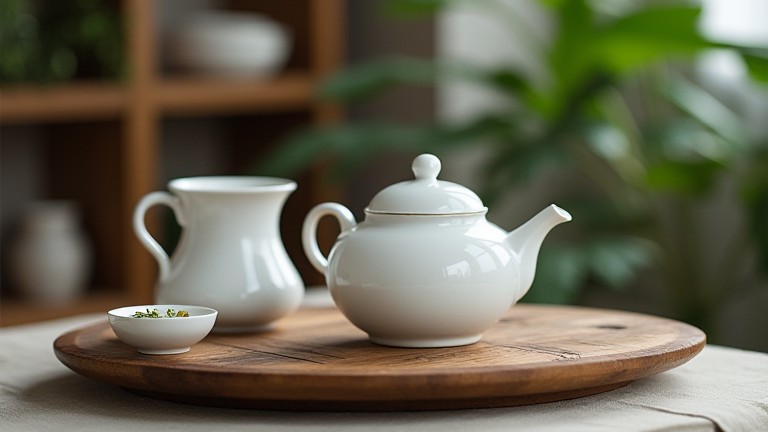
Elevate Your Tea Ritual: Premium Porcelain Teapots & Sets
TL;DR: The global market for premium porcelain tea ware is experiencing robust growth driven by a consumer shift toward mindful living and aesthetic home decor. Investing in high-quality porcelain sets offers significant brand differentiation and higher profit margins through strategic positioning.
The tea industry is undergoing a significant transformation, moving beyond basic hydration to become a central pillar of wellness and hospitality. Within this sector, porcelain teapots and matching sets have emerged as high-value products that bridge the gap between functional utility and artistic expression. Unlike glass or ceramic alternatives, fine porcelain offers superior heat retention, a non-porous surface that preserves the delicate nuances of tea leaves, and a timeless elegance that appeals to discerning consumers. Market analysis indicates a steady upward trend in the e-commerce segment for luxury kitchenware, with porcelain tea sets showing a year-over-year increase in average order value. This growth is not merely seasonal; it reflects a deeper cultural appreciation for the ritualistic aspects of tea consumption, particularly in North America and Europe, where “slow living” trends are gaining momentum.
If you want to dig deeper, check out our guide on Porcelain Teapot Care: Expert Tutorial for Your Tea Set.
Strategic Insights for Brand Success
Success in this niche requires a multi-faceted strategy that emphasizes both material integrity and narrative storytelling. First, sourcing is critical. Partnering with manufacturers who utilize high-fired kaolin clay ensures durability and a refined finish that resonates with premium buyers. Second, packaging plays a pivotal role in perceived value. Unboxing experiences that feature recycled materials, protective foam, and elegant presentation boxes can increase customer retention and social media shareability. Furthermore, digital marketing efforts should focus on visual content that highlights the translucency and craftsmanship of the porcelain. Collaborations with tea experts or interior designers can also validate product quality and expand reach into adjacent lifestyle markets. Pricing strategy should reflect the premium nature of the goods, avoiding discount-heavy models that may dilute brand perception. Instead, offer limited-edition colorways or seasonal collections to drive urgency and exclusivity.
Case Study: The Rise of Modern Minimalism
A recent case study involves a mid-sized brand that repositioned its traditional teapots with a modern, minimalist design language. By shifting from ornate floral patterns to clean, geometric lines and matte finishes, the brand attracted a younger demographic seeking sophisticated yet understated home goods. This strategic pivot resulted in a 40% increase in online sales within six months. The key takeaway is that while tradition anchors the product, contemporary design innovation drives adoption among new generations of tea enthusiasts. Brands that adapt their aesthetics to current design trends while maintaining high manufacturing standards will capture the most significant market share.
FAQ
Q: Why is porcelain preferred over ceramic for tea sets?
A: Porcelain is denser and more refined, offering better heat retention and a non-porous surface that prevents flavor absorption, ensuring pure taste.
Q: What are the key trends in porcelain tea set design?
A: Current trends favor minimalist aesthetics, neutral color palettes, and sustainable packaging, appealing to modern consumers who value simplicity and eco-consciousness.
Q: How can businesses effectively market premium tea ware online?
A: Focus on high-quality visual content, storytelling about craftsmanship, and influencer partnerships to highlight the aesthetic and functional benefits of the product.
Leave a Reply