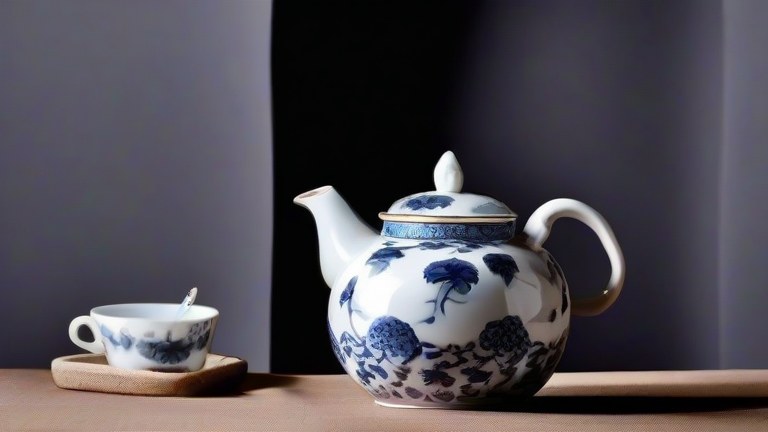
Handcrafted Porcelain Teapots: Ultimate Guide to Buying
TL;DR: Choose a handcrafted porcelain teapot based on the specific tea variety you brew most, as the glaze and thickness affect heat retention and flavor purity. Prioritize artisans with consistent quality control and clear care instructions to ensure your investment lasts for decades.
The world of tea brewing is vast, but few materials offer the elegance and versatility of handcrafted porcelain. Unlike stoneware or clay, porcelain is non-porous and neutral, making it the perfect vessel for delicate white teas, floral oolongs, and high-grade green teas. When you invest in a handcrafted piece, you are not just buying a kitchen utensil; you are acquiring a piece of functional art that enhances the ritual of drinking tea. This guide will help you navigate the market, understand key features, and select the perfect teapot for your daily ritual.
If you want to dig deeper, check out our guide on Elevate Your Tea Ritual: Timeless Porcelain Teapots & Sets.
Key Feature Highlights
When evaluating handcrafted porcelain teapots, focus on three critical elements: the glaze, the lid fit, and the spout design. The glaze should be smooth to the touch but slightly textured if the artist uses a matte finish. A high-quality glaze prevents staining and makes cleaning effortless, allowing the true aroma of the tea to remain uncompromised. Next, examine the lid. It must sit securely on the rim without wobbling, as a loose lid can cause spills and breakage. Finally, the spout should pour in a steady, uninterrupted stream. A well-designed spout ensures that tea leaves do not clog the flow, providing a smooth pour every time. Look for pieces where the handle is integrated seamlessly into the body, offering a comfortable grip that remains cool to the touch even when the interior is boiling hot.
Comparing Styles and Sizes
Porcelain teapots come in various shapes, each suited for different brewing styles. The traditional Western-style teapot, with its rounded body and curved handle, is ideal for black teas and herbal blends that benefit from longer steeping times. In contrast, the Chinese-style gaiwan or lidded bowl is excellent for oolongs and greens, allowing for precise control over steeping duration. For those who prefer a modern aesthetic, minimalist cylindrical designs are popular, offering a sleek look that fits contemporary kitchens. Size is another crucial factor. A 12-ounce pot is perfect for individual use, while a 32-ounce pot serves a small group. Consider your typical consumption habits before purchasing. If you drink tea throughout the day, a smaller pot ensures freshness, as tea left in the pot too long can become bitter. Conversely, if you host frequent gatherings, a larger capacity reduces the need for constant refills.
Artisan Quality and Durability
Handcrafted does not automatically mean perfect. Reputable artisans use high-fire kilns to achieve a dense, durable porcelain body that resists chipping. Check reviews for consistency in firing; some pieces may have slight color variations, which are charming in handcrafted items but should not indicate poor quality. Always verify the material composition. True porcelain is made from kaolin clay, which is fired at higher temperatures than standard ceramic, resulting in a lighter, more translucent, and stronger product. Avoid mass-produced items labeled as “porcelain” if they feel heavy and opaque, as these are often earthenware. Investing in a genuine handcrafted piece supports local artists and ensures you have a heirloom-quality item that will outlast cheaper alternatives.
Ready to elevate your tea experience? Explore our curated collection of handcrafted porcelain teapots today. Find the perfect piece that matches your style and brewing needs, and enjoy the artistry of tea with a vessel that is as beautiful as it is functional. Click below to browse our selection and start your journey towards perfect tea.
FAQ
Q: Can I use a porcelain teapot for dark teas like pu-erh?
A: Yes, porcelain is neutral and will not absorb strong flavors, making it suitable for dark teas, though clay pots are often preferred for aging pu-erh.
Leave a Reply