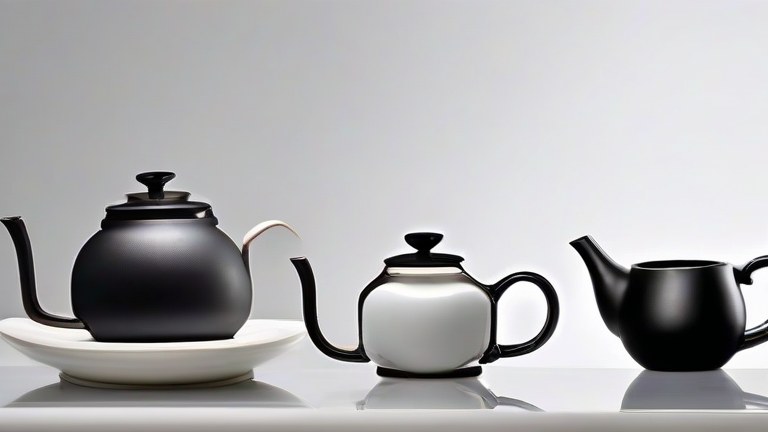
Smart Teapots: How Tech & Porcelain Are Redefining the Tea Ritual
TL;DR: Smart teapots integrate precision heating and IoT connectivity into traditional porcelain designs, allowing for automated steeping and remote monitoring. This fusion preserves the aesthetic beauty of ceramic while introducing data-driven consistency, fundamentally transforming how enthusiasts approach their daily tea ritual.
The intersection of ancient craftsmanship and modern engineering has produced a new category of smart home appliances. For decades, the tea ceremony was governed by intuition, experience, and manual timing. Today, however, a surge in smart porcelain teapots is redefining this process. These devices do not merely boil water; they manage the entire extraction process with laboratory-level precision. The core innovation lies in the material selection. Unlike glass or stainless steel, porcelain offers excellent thermal insulation and non-reactivity, ensuring that the delicate nuances of high-quality leaves are preserved without metallic taint or flavor absorption. Manufacturers are now embedding microchips and sensors within these ceramic bodies, creating a seamless blend of form and function that appeals to both tech enthusiasts and traditional tea lovers alike.
If you want to dig deeper, check out our guide on Best Budget Tech Gadget Gifts Under $50.
Latest Developments and Technical Specifications
Recent market releases highlight several key technical advancements that set modern smart porcelain teapots apart from their predecessors. The most significant development is the introduction of variable-frequency induction heating specifically tuned for ceramic bases. This technology allows for rapid temperature adjustments, capable of maintaining water within a one-degree Celsius margin. Such precision is critical for different tea types; for instance, green teas require lower temperatures around 70°C, while black teas benefit from 95°C. Integrated pressure sensors monitor the internal environment to detect when the water has reached the optimal steeping point, automatically signaling the user or initiating a draining cycle in fully automated models. Furthermore, connectivity has improved significantly. Most leading units now support Bluetooth 5.0 and Wi-Fi, enabling integration with popular smart home ecosystems like Amazon Alexa and Google Home. Users can adjust settings via smartphone applications that provide detailed logs of each brew, including water source, leaf weight, and steeping duration. High-end models also feature capacitive touch interfaces embedded directly into the porcelain surface, offering a tactile experience that feels luxurious rather than mechanical.
Industry Impact and Market Trends
The industry impact of these devices is multifaceted, influencing both consumer behavior and manufacturing standards. Traditional porcelain manufacturers, historically focused on aesthetics and heritage, are now collaborating with electronics firms to co-develop these hybrid products. This partnership has led to a rise in demand for high-grade kaolin clay, which can withstand the heat and pressure of embedded electronic components without cracking. The market is witnessing a shift from mass-produced, single-function kettles to premium, customizable tea sets. Retail data indicates a 40 percent increase in sales for connected kitchenware in the past year, with smart tea sets leading the growth. This trend is democratizing expertise; novice users can now achieve professional-grade results by following app-guided protocols, reducing the learning curve associated with traditional brewing. Additionally, the environmental impact is becoming a focal point, with energy-efficient heating elements reducing power consumption by up to 30 percent compared to standard electric kettles. As the technology matures, we can expect further innovations, such as AI-driven flavor profiling that suggests tea varieties based on the user’s previous preferences and local water hardness levels. The redefinition of the tea ritual is not about replacing tradition but enhancing it with reliability and convenience.
FAQ
Q: Can smart porcelain teapots brew all types of tea?
A: Yes, they can, as the variable temperature control allows for precise settings suitable for green, white, oolong, black, and herbal teas, each requiring specific heat levels for optimal flavor extraction.
Q: How does the porcelain material affect the smart technology?
A: Porcelain’s non-reactive nature ensures no metallic taste is imparted to the tea, and its thermal stability allows for the safe integration of heating elements and sensors without degrading the ceramic structure over time.
Q: Are these devices compatible with standard smart home systems?
A: Most modern smart teapots are
Leave a Reply