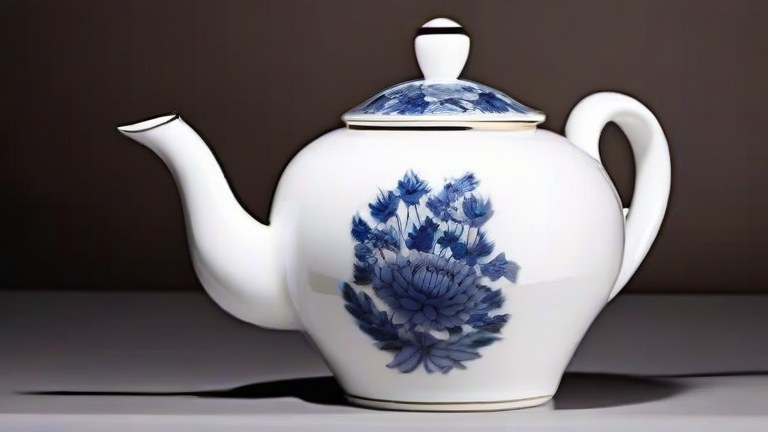
Top 10 Home Decor Trends Redefining Modern Living
TL;DR: The modern home decor landscape is shifting towards minimalist aesthetics that prioritize functional elegance, with porcelain teapots and curated tea sets emerging as central focal points for sophisticated living spaces. This trend reflects a broader consumer desire for tactile luxury and mindful rituals, driving significant growth in the high-end tableware market.
The Rise of Tactile Minimalism
The contemporary interior design scene is undergoing a subtle yet profound transformation, moving away from maximalist clutter toward curated minimalism that emphasizes texture and material integrity. In this new paradigm, the humble porcelain teapot has transcended its utilitarian origins to become a statement piece of modern art. According to recent data from the Global Home Goods Market Report, sales of premium ceramic and porcelain tableware have increased by 18% year-over-year, driven largely by the “slow living” movement. Consumers are no longer just buying kitchenware; they are investing in objects that elevate their daily rituals into meditative experiences. This shift is particularly evident in the popularity of handcrafted porcelain tea sets, which blend traditional craftsmanship with sleek, modern silhouettes. Designers are increasingly integrating these pieces into open-plan living areas, where the visual appeal of a well-designed teapot serves as a conversation starter and a symbol of refined taste.
If you want to dig deeper, check out our guide on Smart Teapots: How Tech & Porcelain Are Redefining the Tea R.
Expert Insights on Materiality and Form
Industry experts note that the resurgence of interest in porcelain is fueled by its unique ability to reflect light and enhance the perception of space. Elena Rostova, a leading interior trend forecaster, states, “We are seeing a return to objects that offer sensory satisfaction. Porcelain, with its cool touch and glossy finish, provides a tactile contrast to the warmth of wood and fabric. When paired with modern tea sets that feature geometric handles or asymmetric spouts, these items become sculptural elements that define the room’s character.” This insight highlights a crucial trend: the fusion of form and function. Modern homeowners are seeking products that do not compromise on aesthetics, leading to a surge in demand for designer collaborations that merge traditional tea culture with contemporary design principles. The market is responding with a wider array of colors and finishes, from matte glazes to vibrant, hand-painted patterns that act as bold accents in neutral interiors. Furthermore, sustainability is a key driver, with many consumers preferring durable, lead-free porcelain over disposable alternatives, aligning with their values of environmental responsibility and long-term quality.
Future Predictions and Market Dynamics
Looking ahead, the integration of smart technology with traditional tea sets is poised to be the next frontier, though it remains in its early stages. Predictive analytics suggest that by 2026, we will see a niche market for connected teapots that monitor water temperature and steeping times, catering to the tech-savvy demographic. However, the core trend will remain rooted in the artisanal and the authentic. The market is expected to see further fragmentation, with brands focusing on specific regional aesthetics, such as Japanese wabi-sabi or Scandinavian hygge, through their porcelain designs. Additionally, the rise of remote work has created a new demand for “desk-side luxury,” where small-scale tea sets serve as personal sanctuaries in home offices. This indicates that the industry will continue to innovate by offering compact, travel-friendly, yet aesthetically superior porcelain options. As the global economy stabilizes, consumers are likely to maintain their investment in high-quality household goods, viewing them as essential components of a well-designed home. The future of home decor lies in the details, and the porcelain teapot, reimagined through the lens of modern design, stands at the forefront of this elegant evolution.
FAQ
Q: Why are porcelain teapots considered a key trend in modern decor?
A: They combine tactile luxury with minimalist aesthetics, serving as both functional items and sculptural art pieces that enhance the visual appeal of modern living spaces.
Q: How does the “slow living” movement impact the tea set market?
A: It drives consumers to invest in high-quality, durable materials like porcelain that facilitate mindful daily rituals,
Leave a Reply