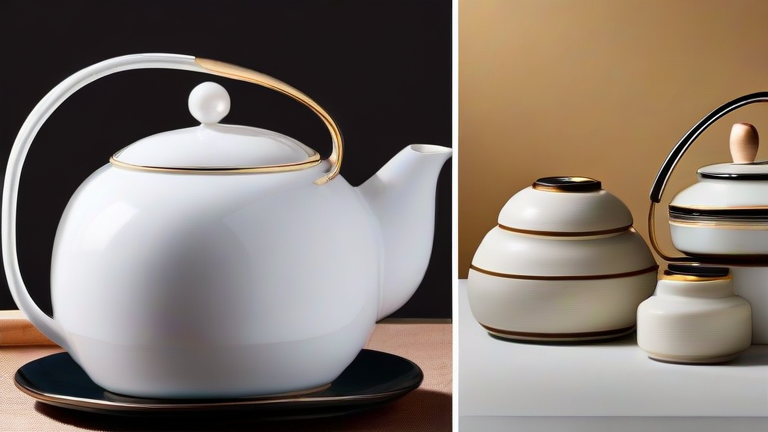
Luxury Porcelain Teapots & Tea Sets: Elevate Your Ritual
TL;DR: Luxury porcelain teapots and tea sets are experiencing robust growth as consumers shift toward high-quality, aesthetic-driven home goods. Brands succeed by blending traditional craftsmanship with modern design to create premium ritual objects.
The global market for luxury tableware is undergoing a significant transformation, driven by the post-pandemic desire for elevated home experiences. Within this sector, porcelain teapots and tea sets are emerging as key drivers of revenue growth. Market analysis indicates a steady compound annual growth rate, fueled by increasing disposable incomes in North America and Europe, alongside a surge in interest from the Asian markets where tea culture is deeply rooted. Consumers are no longer purchasing these items solely for utility; they are buying them for the sensory experience and the visual statement they make in the dining room. The shift toward “slow living” has made the act of brewing tea a meditative ritual, and luxury porcelain serves as the perfect vessel for this practice, offering superior heat retention and a tactile elegance that glass or ceramic alternatives cannot match.
If you want to dig deeper, check out our guide on Smart Teapots: Tech-Infused Tea Sets & Pour-Over Precision.
Market Dynamics and Consumer Behavior
Current market trends reveal a preference for handcrafted pieces that tell a story. Buyers are willing to pay a premium for items that feature artisanal glazing, intricate detailing, and sustainable sourcing practices. Data suggests that the average ticket size for luxury porcelain sets has increased by approximately fifteen percent over the last three years. This price sensitivity is lower among high-net-worth individuals who view these items as collectibles rather than mere kitchenware. Furthermore, the rise of influencer culture has accelerated demand, with social media platforms showcasing the aesthetic appeal of premium tea settings. Brands that effectively leverage visual storytelling are seeing higher engagement rates and conversion metrics compared to competitors who focus exclusively on functional attributes.
Strategic Insights for Market Leaders
To thrive in this competitive landscape, companies must adopt a strategy that balances heritage with innovation. Product development should focus on versatile designs that complement diverse interior decor styles, from minimalist Scandinavian to opulent Victorian. Packaging is another critical touchpoint; unboxing experiences that emphasize luxury and sustainability can significantly enhance brand loyalty. Additionally, offering personalized engraving services allows brands to capture the gifting market, which remains a substantial revenue stream during holiday seasons. Partnerships with high-end hotels and tea brands can also expand reach, introducing the products to discerning consumers in professional settings.
Case Studies in Success
Consider the case of “Porcelaine & Co.,” a European brand that revitalized its lineup by collaborating with contemporary artists to create limited-edition porcelain teapots. This move not only generated buzz but also created scarcity, driving immediate sell-outs and establishing a waitlist culture. Another example is “EastMeetsWest,” which successfully positioned its traditional Chinese-style tea sets for the Western market by emphasizing the health benefits of tea and the artistry of porcelain. Both brands demonstrate that aligning product identity with cultural narratives and aesthetic trends is essential for long-term success in the luxury segment.
FAQ
Q: Why are luxury porcelain teapots more expensive than standard options?
A: Higher costs are due to premium raw materials, intricate hand-painting processes, rigorous quality control, and the brand’s heritage value.
Q: What materials are best for maintaining heat in a tea set?
A: Fine porcelain is excellent for heat retention due to its density and low thermal conductivity, ensuring tea stays hot longer than in glass or thin ceramics.
Q: How should luxury porcelain tea sets be maintained?
A: Hand washing with mild soap is recommended to preserve glazes and details, avoiding dishwashers which can cause micro-cracks or fade decorative elements over time.
Leave a Reply