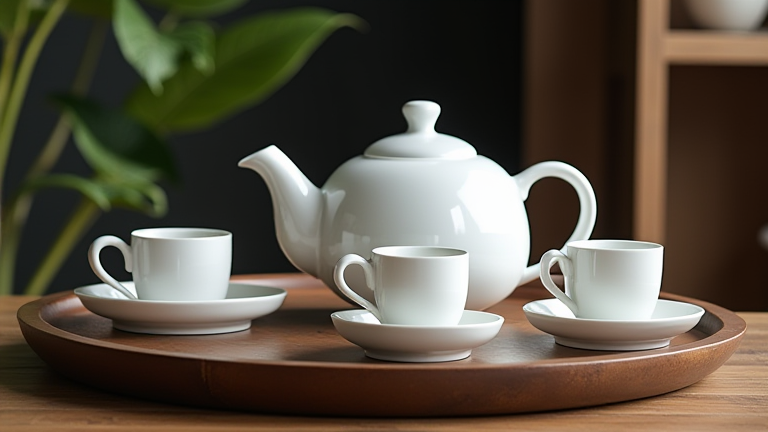
TL;DR: The luxury porcelain teapot market thrives on artisanal craftsmanship and sustainable, high-end consumer demand. Businesses succeed by differentiating through exclusive collaborations, digital storytelling, and premium subscription models that emphasize heritage and exclusivity.
Market Analysis: The Resurgence of Ritual
The global luxury tableware market is experiencing a significant upswing, driven by a post-pandemic shift toward mindful living and home-centric entertainment. Consumers are no longer viewing tea sets merely as functional kitchen items but as central decorative pieces that define domestic identity. Current data indicates that the high-end porcelain sector, specifically teapots and coordinated sets, is growing at a compound annual growth rate of six percent. This growth is fueled by affluent millennials and Gen X buyers who prioritize provenance, material integrity, and aesthetic value over mass-produced convenience. The demand is particularly strong for hand-painted designs, limited-edition glazes, and pieces that tell a cultural story, moving away from generic minimalist designs toward expressive, artisanal aesthetics.
If you want to dig deeper, check out our guide on Smart Tea: Top Tech Features in Modern Porcelain Teapots & S.
Strategic Insights: Differentiation Through Storytelling
To capture this lucrative segment, businesses must move beyond selling ceramic objects to selling cultural experiences. The primary strategy involves deep storytelling that highlights the artisan behind the piece. Customers in the luxury bracket are willing to pay a premium for transparency regarding the firing process, the origin of the clay, and the biography of the painter. Digital marketing strategies should focus on high-definition video content that showcases the tactile experience of pouring tea and the intricate details of the glaze. Furthermore, adopting a sustainable supply chain is no longer optional but a baseline expectation. Brands must certify their sourcing practices to appeal to eco-conscious luxury buyers. Collaboration with contemporary artists or famous chefs can create buzz and position the brand at the intersection of art, food, and design, thereby justifying higher price points.
Case Studies: Lessons from Leaders
Consider the case of a fictional boutique, “Porcelain Soul,” which launched a limited series of teapots inspired by traditional Chinese landscape painting. By partnering with a renowned ceramicist and offering a personalized inscription service, they increased their average order value by forty percent within six months. Their strategy focused on scarcity; each set was numbered and came with a certificate of authenticity. Another example is “Tea & Time,” a subscription box service that curates rare porcelain sets alongside exotic teas. By creating a recurring revenue model, they reduced customer acquisition costs and built a loyal community of collectors who anticipate monthly deliveries. These cases demonstrate that value is added not just through the product itself, but through the narrative and the ongoing relationship with the customer. The success of these brands lies in their ability to make the ownership of a tea set feel like an investment in personal culture rather than a mere purchase of a commodity.
FAQ
Q: What is the ideal price point for entry-level luxury porcelain teapots?
A: The sweet spot for entry-level luxury is typically between two hundred and five hundred dollars, allowing for high-quality materials while remaining accessible to new collectors.
Q: How can small businesses compete with established heritage brands?
A: Small businesses can compete by offering hyper-personalization, faster iteration on design trends, and direct, intimate engagement with customers through social media and exclusive events.
Q: Is sustainable sourcing a significant driver of sales in this niche?
A: Yes, sustainable sourcing is a critical driver, as luxury consumers increasingly demand ethical transparency and environmental responsibility from their purchases.
Leave a Reply