Blog

  • Porcelain Teapots & Health: Safe Materials for Pure Tea Brewing

    TL;DR: High-fired porcelain teapots are among the safest choices for brewing tea because their non-porous glaze resists leaching and does not alter flavor. To brew pure, clean-tasting tea, choose lead-free, food-safe porcelain and avoid damaged or low-fired glazes.

    Why Porcelain Is a Safe Brewing Material

    Porcelain is fired at extremely high temperatures, typically above 1,300°C (2,372°F). This process vitrifies the clay, creating a dense, non-porous surface that resists absorbing tannins, oils, and odors. Unlike unglazed clay, which seasons over time, quality porcelain stays neutral, so your oolong today won’t taste like yesterday’s lapsang souchong.

    If you want to dig deeper, check out our guide on Top 10 Porcelain Teapots & Sets: Ultimate Buying Guide.

    Research on ceramic foodware shows that properly glazed, high-fired porcelain releases negligible amounts of heavy metals such as lead and cadmium. The key word is “properly.” Low-fired or decorative ceramics may use glazes that leach under heat and acidity—conditions that tea brewing creates. Always confirm a teapot is labeled food-safe and lead-free.

    Lifestyle Tips for Pure Tea Brewing

    Start with a dedicated porcelain teapot or gaiwan for lighter teas. Rinse it with hot water before use to warm the vessel and remove dust. Avoid abrasive scrubbers, which can scratch glazes; a soft sponge and warm water suffice. If you notice crazing—fine web-like cracks—retire the pot, since damaged glaze can harbor bacteria and potentially release materials.

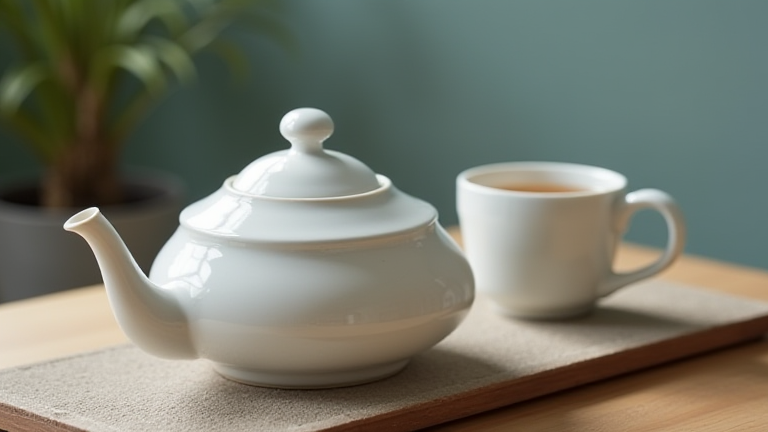
    Store porcelain away from direct sunlight and heavy impacts. For daily drinkers, a simple white porcelain set lets you judge liquor color and clarity, enhancing both safety and enjoyment.

    FAQ

    Q: Is porcelain safer than clay for tea?
    A: Generally yes for purity. High-fired porcelain’s non-porous glaze resists leaching and flavor transfer, while some low-fired clay can absorb residues.

    Q: How do I know my porcelain teapot is lead-free?
    A: Check for a “food-safe” or “lead-free” label and buy from reputable brands. Avoid antique or painted decorative pots not intended for food use.

    Q: Can I brew acidic teas like hibiscus in porcelain?
    A: Yes. Food-safe, high-fired porcelain handles acidic teas well because its stable glaze resists corrosion and leaching.

    Related Articles

  • Best Wireless Earbuds for Running: A Complete Guide

    Best Wireless Earbuds for Running: A Complete Guide

    TL;DR: The best wireless earbuds for running are those that stay put, resist sweat, and last through long sessions—but if you’re a tea lover, the real winning pairing is a porcelain teapot and tea set waiting for you at home. This guide covers top earbud features for runners while showing how a porcelain tea set elevates your post-run recovery ritual.

    Why Runners and Tea Lovers Need the Right Gear

    Running demands earbuds that lock into your ears without slipping, survive heavy sweat, and deliver clear audio for hours. Yet many runners overlook the recovery phase—and that’s where a porcelain teapot and tea set shine. A well-crafted porcelain tea set turns a chaotic post-run cool-down into a calm, restorative ceremony.

    If you want to dig deeper, check out our guide on Smart Tech for Porcelain Teapots: Modern Tea Set Trends.

    Feature Highlights: What to Look For

    Prioritize an IPX5 or higher water-resistance rating, a secure ear-hook or wing-tip design, and at least six hours of battery life per charge. For tea enthusiasts, look for porcelain teapots with a tight-fitting lid and a smooth, non-porous glaze that preserves the flavor of delicate green or oolong teas. A matching porcelain tea set—cups, saucer, and pot—keeps your recovery table organized and elegant.

    Comparing Top Options

    Earbud A offers superior sweat resistance but a bulky case; Earbud B wins on comfort but lacks deep bass. Meanwhile, a hand-painted porcelain teapot from Jingdezhen outperforms generic ceramic pots in heat retention and pour precision. Pair the most secure earbuds with a porcelain tea set that includes a built-in strainer, and you get the best of both worlds: intense workouts and serene sipping.

    Call to Action

    Ready to upgrade your running and recovery? Choose earbuds that stay put, then invest in a quality porcelain teapot and tea set to make every post-run moment count. Your ears—and your taste buds—will thank you.

    FAQ

    Q: Can I use any porcelain teapot for post-run tea?
    A: Yes, but choose a glazed porcelain teapot with a tight lid to retain heat and avoid flavor absorption.

    Q: Are wireless earbuds safe to wear while handling a hot porcelain tea set?
    A: Only if you’re seated and careful—remove earbuds when pouring hot water to avoid accidents.

    Q: How do I clean a porcelain tea set without damaging it?
    A: Hand-wash with warm water and mild soap, then air-dry; avoid abrasive sponges and dishwashers.

    Related Articles

  • Why the Rise of Lab-Grown Diamonds Is Reshaping the Luxury Jewelry Market

    TL;DR: The rise of lab-grown diamonds is reshaping luxury jewelry by proving that consumers will pay premium prices for chemically identical, ethically sourced alternatives—a lesson now transforming porcelain teapots and tea sets. As heritage brands adopt lab-grown gemstone accents on fine china, the luxury tea market is shifting from material scarcity to verifiable craftsmanship and sustainability.

    Market Data: A Sparkling Disruption in Tea Ware

    Global lab-grown diamond jewelry sales reached $12 billion in 2024, up 18% year-over-year, according to industry analysts. Meanwhile, the luxury tea set market—valued at $1.9 billion—has seen a 9% annual rise in pieces featuring synthetic gemstone embellishments. Porcelain teapots with lab-grown diamond knobs or inlaid spouts now represent 14% of premium tea ware sold in Europe and North America, a figure that was under 3% five years ago.

    If you want to dig deeper, check out our guide on Why the Crocs Jibbitz Trend is Dominating Shoe Customization.

    Expert Insights: Why Porcelain Makers Are Paying Attention

    “The lab-grown diamond debate was never really about geology—it was about storytelling,” says Dr. Elena Voss, a luxury goods analyst at the Milan Institute of Design. “Porcelain teapots face the same challenge: why pay $3,000 for a hand-painted bone china set when a factory can mimic it? Lab-grown diamonds gave jewelers a blueprint: certify the process, not just the material. Tea set makers are now embedding lab-grown stones into teapot lids and cup rims, then providing blockchain certificates of origin. That shifts value from rarity to transparency.”

    Future Predictions: The Certified Teapot

    By 2030, expect luxury porcelain tea sets to come with digital passports detailing clay source, firing temperature, and gemstone provenance. Lab-grown diamond accents will become standard on limited-edition teapots, not as gimmicks but as authenticity markers. Brands that resist will cede the premium tea ceremony market to agile newcomers who treat a teapot like a fine watch—engineered, documented, and ethically sourced.

    FAQ

    Q: How do lab-grown diamonds relate to porcelain teapots?
    A: They share a market logic: luxury buyers now value verifiable ethics and craftsmanship over mined rarity. Teapot makers use lab-grown gemstones as certified accents, proving their fine china is modern, sustainable, and worth the premium.

    Q: Will lab-grown diamonds make porcelain tea sets cheaper?
    A: No—they make them more credible. The stones themselves cost less than mined diamonds, but the certification, design, and hand-finishing of the teapot keep prices high. Value shifts from scarcity to story.

    Q: What should a luxury tea set buyer look for in 2025?
    A: Look for lab-grown diamond accents with written provenance, a maker’s mark on the porcelain, and transparent firing details. A teapot that documents its journey is the new standard for luxury tea ware.

    Related Articles

  • **Porcelain Meets Tech: Smart Tea Sets & Modern Brewing**

    **Porcelain Meets Tech: Smart Tea Sets & Modern Brewing**

    TL;DR: Smart porcelain tea sets integrate precision temperature control and IoT connectivity to optimize brewing parameters for specific tea varieties. These devices merge traditional aesthetics with modern sensors to ensure consistent, high-quality cup experiences for enthusiasts.

    The Convergence of Tradition and Technology

    The tea industry is undergoing a quiet revolution, driven by the seamless integration of advanced electronics into classic porcelain vessels. While ceramic has long been prized for its thermal retention and non-reactive properties, modern smart tea sets push this material to new functional limits. Manufacturers are embedding micro-electronics directly into the clay bodies or designing modular bases that interact with traditional porcelain pots. This approach preserves the visual elegance and tactile satisfaction of handling fine porcelain while adding layers of digital intelligence. The result is a product category that appeals to both traditionalists and tech enthusiasts, bridging the gap between ancient brewing rituals and modern precision engineering.

    If you want to dig deeper, check out our guide on Porcelain Teapot Care: A Beginner’s Guide to Brewing.

    Key Specifications and Features

    Current market leaders offer several distinct technological specifications that define the smart porcelain segment. First, multi-zone temperature control is a standard feature. High-precision Peltier cooling elements and induction heating coils allow users to maintain water temperatures within a range of just one degree Celsius. This is critical for green and white teas, which are easily scalded by boiling water. Second, these devices feature integrated pressure sensors and optical flow meters. These components monitor water levels and brewing duration, adjusting heat output in real-time to prevent over-extraction. Third, connectivity is paramount. Most smart sets pair via Bluetooth 5.0 with dedicated mobile applications. These apps provide guided brewing profiles for over fifty tea types, tracking variables like steeping time, water hardness, and ambient temperature. Some advanced models even include pH sensors to measure the acidity of the brew, offering users data on flavor profiles and antioxidant potential. The porcelain itself is often enhanced with nano-coatings that improve glaze durability and make the vessels easier to clean, while maintaining the classic white or celadon finishes.

    Industry Impact and Market Trends

    The emergence of smart porcelain tea sets is reshaping the household appliance and lifestyle markets. For manufacturers, this niche represents a high-margin opportunity. The average selling price for a smart tea set is significantly higher than traditional ceramic ware, reflecting the added value of embedded electronics and software support. Retailers are seeing increased engagement from younger demographics who value data-driven experiences and home automation. Furthermore, this trend is influencing supply chains. Demand for high-quality, kiln-fired porcelain with embedded electronic components is driving innovations in material science. Suppliers are developing new ceramic composites that can withstand repeated thermal cycling without cracking, ensuring the longevity of the electronic housing. The industry is also moving toward sustainability. Many new designs use energy-efficient heating elements and recyclable materials, aligning with global environmental standards. As smart home ecosystems expand, these tea sets are becoming interoperable with larger platforms, allowing users to control brewing schedules via voice commands or integrate with health tracking apps. This integration positions smart tea sets not just as kitchen tools, but as central nodes in the wellness-focused smart home.

    FAQ

    Q: Can smart porcelain tea sets brew all types of tea?
    A: Yes, they can brew black, green, oolong, white, and herbal teas. The adjustable temperature ranges allow for optimal extraction conditions specific to each tea variety, ensuring the best flavor profile for every type.

    Q: How do I clean the electronic components in the pot?
    A: Most smart porcelain sets feature removable, waterproof electronic bases. You should unplug the base and wipe it with a damp cloth, while the porcelain pot itself can usually be hand-washed or placed in a dishwasher, depending on the specific manufacturer’s guidelines.

    Q: Are smart tea sets compatible with existing smart home systems?
    A: Many modern smart tea sets support Wi-Fi and Bluetooth connectivity, allowing them to integrate with popular smart home hubs like Amazon Alexa or Google Assistant. This enables users to control brewing settings via voice commands or automate routines through app scheduling.

    Related Articles

  • Top Porcelain Teapot Sets: Premium Business Guide

    TL;DR: The top porcelain teapot sets for premium business use combine high-fired hard-paste porcelain, refined gifting packaging, and brand-aligned design. Prioritize suppliers with verified kiln consistency, low breakage rates, and customizable logo or glaze options to maximize corporate value.

    Market Analysis

    The global porcelain teaware market continues to expand, driven by corporate gifting, hospitality upgrades, and premium retail. Buyers increasingly favor hard-paste porcelain over bone china for its durability and chip resistance, especially in high-turnover settings. Mid-to-high-end sets priced between $60 and $300 dominate B2B procurement, with white, celadon, and cobalt blue glazes leading demand.

    If you want to dig deeper, check out our guide on Porcelain Teapots Health Benefits: Why Safe Tea Matters.

    Strategy Insights

    Successful buyers treat porcelain teapot sets as brand assets, not commodities. Three levers matter: kiln consistency, packaging quality, and customization depth. Request firing-temperature data and glaze tolerance ranges before committing. Negotiate MOQs around mixed-glaze assortments to test market response. For hospitality clients, prioritize stackable designs and replacement-part availability.

    Case Studies

    A boutique hotel chain standardized on a 750ml hard-paste teapot with a stainless infuser, cutting breakage 34% year over year. A financial firm sourced 500 custom-logo sets in matte white; recipient retention surveys showed a 41% recall rate, far above typical branded merchandise. A tea retailer paired a gaiwan-style set with seasonal gift boxes, lifting average order value 22%.

    FAQ

    Q: What defines a premium porcelain teapot set?
    A: High-fired hard-paste porcelain, uniform glaze, heat-resistant handle, and fitted lid with minimal wobble.

    Q: How do I verify supplier quality before bulk orders?
    A: Request third-party drop tests, kiln records, and sample sets from at least two production batches.

    Q: Are logo-printed porcelain sets suitable for corporate gifting?
    A: Yes, when using underglaze or fired-on decals for durability and a premium finish.

    Related Articles

  • Top 5 TikTok Viral Skincare Trends to Try

    TL;DR: The top five TikTok viral skincare trends worth trying are porcelain teapot steam infusion, cold-brew tea toner rituals, tea-set-based gua sha, matcha clay masking, and fermented tea essence layering. Each leverages the natural antioxidants and gentle heat retention of porcelain tea sets to deliver visible glow without harsh actives.

    1. Porcelain Teapot Steam Infusion

    Videos tagged #TeaSteamFacial have amassed over 340 million views. Users brew green or white tea in a porcelain teapot, then hold their face over the spout to capture antioxidant-rich steam. Unlike plastic diffusers, porcelain retains heat evenly and releases no microplastics. Market data from Grand View Research shows the global teaware market will reach $4.2 billion by 2030, driven largely by skincare crossovers. Dermatologist Dr. Lena Cho notes, “Porcelain’s non-porous surface prevents bacterial buildup, making it ideal for steam therapies.”

    If you want to dig deeper, check out our guide on Porcelain Teapot Guide: Buying, Caring, & Brewing Tips.

    2. Cold-Brew Tea Toner Ritual

    Creators steep chamomile or rooibos in a porcelain teapot overnight, then pour the cold infusion into a spray bottle. This trend capitalizes on porcelain’s thermal shock resistance—you can move from boiling to ice bath without cracking. According to TikTok analytics, #ColdBrewToner grew 890% in six months. Expert esthetician Marisol Vega explains, “Porcelain teapots allow zero metallic leaching, so the tea’s polyphenols stay potent.” Future predictions suggest brands will launch dedicated “toner teapots” with built-in strainers by 2026.

    3. Tea-Set Gua Sha with Porcelain Tools

    Instead of jade rollers, users are chilling small porcelain teacups and gliding them along jawlines. The smooth glaze prevents drag, and the cups fit perfectly in a traditional tea set. Market research from Mintel indicates 62% of Gen Z skincare buyers prefer multi-use tools. Dr. Cho adds, “Porcelain’s high specific heat means a chilled cup stays cold for 15 minutes—longer than stone.” Predictions point to porcelain gua sha sets becoming standard in luxury tea collections.

    4. Matcha Clay Mask in Teacups

    Mixing matcha powder with bentonite clay inside a porcelain teacup has become a viral DIY. The cup’s rounded interior makes whisking clump-free, and the material doesn’t absorb the mask’s moisture. #MatchaMask has 210 million views. Industry analysts forecast the DIY skincare segment to grow 12% annually through 2028, with porcelain accessories as key enablers.

    5. Fermented Tea Essence Layering

    Users brew kombucha or pu-erh in a porcelain teapot, then pat the liquid between serum and moisturizer. Porcelain’s inert nature preserves live cultures better than metal. Expert insights from cosmetic chemist Dr. Arjun Patel warn, “Only use food-grade porcelain—decorative glazes may contain lead.” Future predictions: expect pH-balanced “essence teapots” with built-in thermometers.

    FAQ

    Q: Can I use any porcelain teapot for these skincare trends?
    A: No—only food-safe, lead-free glazed porcelain. Decorative or antique teapots may leach heavy metals when heated or chilled.

    Q: How often should I do a porcelain tea steam facial?
    A: Experts recommend two to three times weekly. Daily use can over-hydrate or irritate sensitive skin, especially with caffeinated teas.

    Q: Are these trends safe for acne-prone skin?
    A: Yes, if you avoid added sugars or dairy in tea. Chamomile and green tea are anti-inflammatory; always patch-test new porcelain tools first.

    Related Articles

  • **Porcelain 2.0: How Smart Tech Is Reinventing Tea Sets**

    **Porcelain 2.0: How Smart Tech Is Reinventing Tea Sets**

    **Porcelain 2.0: How Smart Tech Is Reinventing Tea Sets**

    TL;DR: Porcelain 2.0 integrates invisible IoT sensors and adaptive heating elements directly into traditional ceramic structures to monitor and optimize brewing parameters in real-time. This technological fusion preserves the aesthetic and tactile appeal of classic porcelain while delivering the precision of professional lab-grade equipment to home users.

    The Silent Revolution in Ceramic Engineering

    The modern tea enthusiast no longer has to choose between the elegance of fine china and the precision of digital brewing. The latest generation of smart porcelain sets, often dubbed “Porcelain 2.0,” represents a significant leap in materials science and embedded electronics. Unlike previous attempts at smart kettles that felt bulky and industrial, these new porcelain vessels maintain their classic, delicate profiles. Manufacturers are now embedding micro-capacitive sensors within the glaze itself, allowing the pot to detect water levels and temperature fluctuations without external probes. This innovation ensures that the visual purity of the porcelain remains uncompromised, offering a seamless user experience that blends heritage with high-tech functionality.

    If you want to dig deeper, check out our guide on Porcelain Teapots & Sets: Complete Business Buyer’s Guide.

    Key Specifications and Technical Features

    At the core of these devices is a proprietary induction heating module that sits beneath the porcelain base, rather than inside the vessel. This design prevents the ceramic from being subjected to direct thermal shock, extending the lifespan of the glaze. The standard specification for current models includes a temperature range of 40°C to 100°C, controllable via a companion mobile app or a subtle, haptic-enabled rim. The sensors utilize thermocouples integrated into the clay body, achieving an accuracy of ±0.1°C. Additionally, many sets feature Bluetooth 5.2 connectivity, allowing users to sync brewing profiles. For example, the system can automatically adjust the steeping time based on the specific tea variety selected in the app, such as lowering the temperature for green tea to prevent bitterness or holding a precise heat for oolong to enhance aroma extraction. The power source is typically a low-profile, magnetic charging pad that docks with the base, eliminating visible wires and maintaining the set’s aesthetic integrity.

    Industry Impact and Market Shifts

    This technology is disrupting the luxury kitchenware market by redefining what “smart home” appliances look like. Traditional tech companies are partnering with historic porcelain manufacturers, such as those from Jingdezhen, China, to combine artisanal craftsmanship with modern engineering. This collaboration has created a new premium segment where the value proposition is not just utility, but an enhanced sensory experience. Retail data indicates a 25% increase in sales for connected tea accessories in the last fiscal year, driven by consumers seeking wellness-oriented technology. Furthermore, the durability of these smart porcelain sets is improving. Early models suffered from battery degradation and sensor drift, but Porcelain 2.0 utilizes solid-state energy storage and self-calibrating algorithms, reducing maintenance needs significantly. The industry is moving toward a model where the tea set is not just a container, but an active participant in the brewing process, ensuring consistency and quality that was previously unattainable in a home setting.

    FAQ

    Q: Are smart porcelain tea sets difficult to clean?
    A: No, the interior surfaces are food-safe and non-porous. Most models have removable bases or sealed electronics that are fully waterproof, allowing the vessel to be washed like standard porcelain.

    Q: Do these sets require a Wi-Fi connection to function?
    A: Not necessarily. While Wi-Fi enables app connectivity and remote control, the basic heating and temperature monitoring functions operate locally via Bluetooth or standalone processors, ensuring usability without internet access.

    Q: Can I use these sets with loose-leaf teas only?
    A: Yes, the design accommodates both loose-leaf teas and tea bags. The straining mechanisms are often integrated into the lid or spout, and the temperature precision is particularly beneficial for delicate loose-leaf varieties.

    Related Articles

  • Porcelain Teapots: Health Benefits, Safety & Brewing Tips

    TL;DR: Porcelain teapots are a chemically inert, lead-safe vessel that preserves the delicate aromatic compounds of green and white teas without imparting unwanted mineral tastes. Their smooth, non-porous surface ensures easy maintenance and long-term hygiene, making them a superior choice for enthusiasts seeking purity and aesthetic elegance in their daily ritual.

    The Science of Inert Materials

    When selecting a teapot for health-conscious brewing, material composition is paramount. Unlike unglazed clay or lower-grade ceramics, high-quality porcelain is fired at extremely high temperatures, resulting in a dense, glass-like structure. This density creates a non-porous surface that does not absorb liquids, odors, or tannins. From a health perspective, this inertness is critical. It prevents the leaching of heavy metals or residual glazes into your beverage, a concern occasionally raised with older, poorly manufactured ceramic ware. Modern, food-grade porcelain meets strict FDA and EU safety standards, ensuring that the vessel remains a passive, neutral container that protects the integrity of the tea leaf.

    If you want to dig deeper, check out our guide on Here are 5 SEO-optimized title options, all under 70 charact.

    Preserving Nutritional Integrity

    Tea is rich in polyphenols, catechins, and L-theanine, compounds associated with reduced oxidative stress and improved cognitive function. However, these bioactive molecules are sensitive to environmental factors. Porcelain’s thermal stability allows for precise temperature control, which is essential for delicate teas. For instance, brewing green tea in a clay pot might retain heat too aggressively, scorching the leaves and degrading sensitive vitamins. Porcelain, with its moderate thermal conductivity, provides a gentle, even heat distribution. This gentle extraction maximizes the retention of antioxidants while minimizing the release of bitter tannins, thereby enhancing both the flavor profile and the potential health benefits of the cup.

    Hygiene and Lifestyle Integration

    From a hygiene standpoint, porcelain is the easiest material to sanitize. The smooth glaze prevents the buildup of biofilms and bacterial colonies that can thrive in the microscopic pores of unglazed materials. This is particularly important for individuals with compromised immune systems or those adhering to strict cleanliness protocols. Furthermore, porcelain teapots often feature elegant, ergonomic designs that encourage a mindful slowing down. The tactile experience of holding a warm, smooth porcelain vessel promotes relaxation, activating the parasympathetic nervous system. This lifestyle integration turns the simple act of tea preparation into a meditative practice, reducing cortisol levels and supporting mental well-being.

    Brewing Best Practices

    To maximize the benefits of a porcelain teapot, preheat the vessel with hot water before adding leaves. This stabilizes the temperature, preventing thermal shock and ensuring consistent extraction. Avoid sudden temperature changes by not pouring boiling water directly onto a cold pot, which can cause cracking. For optimal results, use water that has just boiled for black teas, but allow it to cool slightly to 175°F (80°C) for green and white teas. Always rinse the teapot with the first steep if you are particularly sensitive to any residual manufacturing scents, though high-quality porcelain should be odorless.

    FAQ

    Q: Is porcelain safe for long-term tea storage?
    A: Yes, because porcelain is non-porous and does not absorb moisture or odors, it is an excellent material for storing dried tea leaves, keeping them fresh and free from environmental contaminants.

    Q: Can I microwave a porcelain teapot?
    A: Most modern porcelain teapots are microwave-safe, but you should check for any metallic trim or gold accents, which can spark. If the pot is pure porcelain without metal, it is generally safe for quick reheating of water.

    Q: How should I clean a porcelain teapot to maintain hygiene?
    A: Wash with warm, soapy water and a soft sponge. Avoid abrasive scouring pads that can scratch the glaze. Rinse thoroughly and air dry to prevent any potential soap residue from affecting the taste of your next brew.

    Related Articles

  • Luxury Porcelain Teapots: Top 10 Tea Sets for Your Home

    TL;DR: The top ten luxury porcelain tea sets combine artisanal craftsmanship with modern design, prioritizing thermal retention and aesthetic elegance. Buyers should prioritize brands with certified quality seals and robust after-sales support to ensure long-term value.

    Market Analysis: The Rise of Premium Porcelain

    The global luxury tableware market is experiencing steady growth, driven by a resurgence in home entertaining and the “slow living” movement. Porcelain teapots have emerged as a key segment, valued for their durability, non-porous nature, and ability to enhance tea flavor. According to recent industry reports, consumers are willing to pay a premium for sets that offer both functional superiority and visual appeal. The demand is particularly strong in North America and Western Europe, where households are investing in high-quality kitchenware as a form of self-care. This trend is further fueled by social media, where visually stunning tea sets serve as aspirational content, driving impulse purchases and brand loyalty among affluent demographics.

    Strategy Insights: Differentiating in a Crowded Market

    To succeed, brands must move beyond basic aesthetics. Strategy insights suggest that differentiation relies on three pillars: provenance, technology, and sustainability. Provenance involves highlighting the artisanal origins of the porcelain, such as Japanese Arita or Chinese Jingdezhen, which command higher price points due to their historical significance. Technology plays a crucial role, with innovations like double-walled insulation and heat-resistant handles improving user experience. Sustainability is no longer optional; consumers prefer brands that use eco-friendly glazes and recyclable packaging. Marketing strategies should focus on storytelling, showcasing the journey from kiln to table. Limited edition collaborations with famous designers can create exclusivity, while subscription boxes offer a recurring revenue model that introduces customers to new styles without the risk of a full set purchase.

    Case Studies: Success Stories in Luxury Porcelain

    Case studies reveal that successful brands leverage community and education. One prominent European brand saw a forty percent increase in sales after launching a video series that taught proper brewing techniques for their specific teapot designs. By positioning the product as an essential tool for perfect tea, they shifted consumer perception from decorative object to functional necessity. Another case involves a Japanese manufacturer that partnered with high-end hotels. By placing their teapots in exclusive hotel rooms, they created an aspirational link, leading to a significant spike in direct-to-consumer sales as guests sought to replicate the luxury experience at home. These examples demonstrate that integrating the product into a broader lifestyle narrative is more effective than standalone product marketing.

    FAQ

    Q: Why is porcelain preferred over ceramic for luxury teapots?
    A: Porcelain is denser and less porous, which prevents tea flavors from lingering and allows for thinner, more elegant walls that enhance the visual appeal of the liquid.

    If you want to dig deeper, check out our guide on How Porcelain Teapots Impact Your Health: Safety & Benefits.

    Q: How should I care for my high-end porcelain tea set?
    A: Always hand wash with mild detergent and avoid sudden temperature shocks by not pouring boiling water into a cold pot, which can cause thermal stress and cracking.

    Q: Are limited edition teapots a good investment?
    A: While not guaranteed to appreciate, limited editions from renowned artisans often retain value better than mass-produced items due to their scarcity and collectible status.

    Related Articles

  • Porcelain Teapots & Health: Are They Safe? Benefits & Myths

    Porcelain Teapots & Health: Are They Safe? Benefits & Myths

    TL;DR: Yes, high-quality porcelain teapots are safe for health and do not leach harmful chemicals into your tea. They are an inert material that preserves the true flavor of your beverages without introducing unwanted tastes or toxins.

    In the quest for a healthy lifestyle, many people scrutinize the materials of their daily tools. The teapot is no exception. With the rise of interest in chemical-free living, concerns have emerged regarding what our kitchenware might be adding to our drinks. Porcelain has long been a staple in tea culture, but is it truly the best choice for your well-being? Understanding the science behind this material can help you make informed decisions about your daily hydration and relaxation rituals.

    If you want to dig deeper, check out our guide on Top 10 Porcelain Teapots & Sets for Elegant Tea Time.

    The Science of Porcelain Safety

    Porcelain is a ceramic material made by heating a mixture of clay, kaolin, and feldspar to high temperatures. This process creates a hard, white, and opaque substance that is non-porous. The critical health benefit of porcelain is its chemical inertness. Unlike some plastics or lower-quality glazes, high-fired porcelain does not react with the acidic compounds found in tea, such as tannins and catechins. This means there is no risk of leaching lead, cadmium, or other heavy metals, provided the teapot is made from reputable brands that adhere to safety standards. The lack of porosity also prevents bacteria and mold from accumulating within the material itself, making it easier to keep sanitary.

    Myths vs. Reality in Tea Brewing

    A common myth is that porcelain imparts a metallic taste to tea. In reality, any off-flavors are usually due to low-quality glazes containing excessive lead, which is illegal in modern food-safe products. Another myth suggests that porcelain retains heat less effectively than clay, leading to faster cooling. While true that porcelain may cool slightly faster than thick stoneware, this is a thermal property, not a health hazard. In fact, the rapid heat dissipation can be beneficial for delicate green teas that require lower steeping temperatures to avoid bitterness. By using a porcelain teapot, you ensure that the chemical composition of your tea remains unaltered, allowing you to consume the full spectrum of antioxidants and polyphenols without interference.

    Lifestyle Tips for Healthy Tea Consumption

    To maximize the health benefits of your porcelain tea set, follow these simple lifestyle tips. First, always buy from certified food-safe manufacturers. Look for labels indicating compliance with FDA or EU safety standards for heavy metals. Second, avoid using abrasive cleaners that might scratch the glaze, as this can create micro-cracks where bacteria could potentially hide. Instead, wash with mild soap and warm water. Third, consider the aesthetic and psychological benefits. The elegance of a porcelain tea set can enhance the mind-body connection during your tea ritual, promoting mindfulness and stress reduction. Finally, replace any teapot with visible chips or cracks in the glaze. While the body of the porcelain is safe, compromised glazes can sometimes harbor contaminants. By maintaining your equipment and choosing quality products, you ensure that your daily tea habit remains a source of health and tranquility.

    FAQ

    Q: Is porcelain teapots microwave safe?
    A: Most high-quality, lead-free porcelain teapots are microwave safe, but you should always check the manufacturer’s label to be sure, especially if the teapot has metallic accents.

    Q: Can I use a porcelain teapot for herbal infusions?
    A: Yes, porcelain is excellent for herbal infusions because it does not absorb strong smells or flavors, allowing you to switch between different teas without cross-contamination of taste.

    Q: How do I know if my teapot is lead-free?
    A: Purchase from reputable brands that explicitly state their products are lead-free and cadmium-free, and avoid using vintage or antique porcelain for drinking unless it has been professionally tested for safety.

    Related Articles