**Porcelain 2.0: How Smart Tech Is Reinventing Tea Sets**
TL;DR: Porcelain 2.0 integrates invisible IoT sensors and adaptive heating elements directly into traditional ceramic structures to monitor and optimize brewing parameters in real-time. This technological fusion preserves the aesthetic and tactile appeal of classic porcelain while delivering the precision of professional lab-grade equipment to home users.
The Silent Revolution in Ceramic Engineering
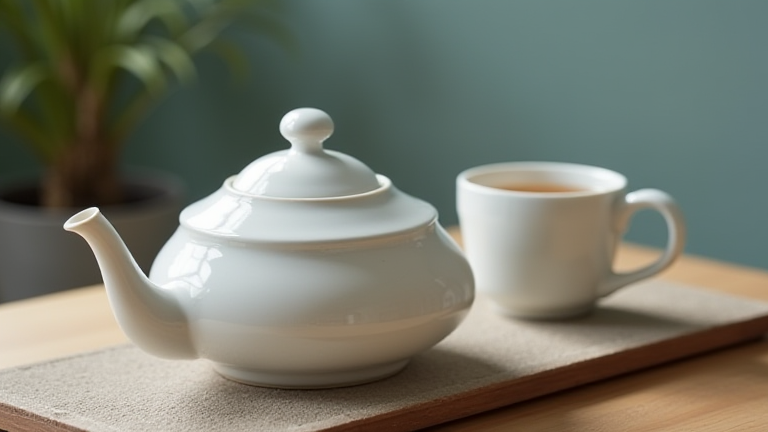
The modern tea enthusiast no longer has to choose between the elegance of fine china and the precision of digital brewing. The latest generation of smart porcelain sets, often dubbed “Porcelain 2.0,” represents a significant leap in materials science and embedded electronics. Unlike previous attempts at smart kettles that felt bulky and industrial, these new porcelain vessels maintain their classic, delicate profiles. Manufacturers are now embedding micro-capacitive sensors within the glaze itself, allowing the pot to detect water levels and temperature fluctuations without external probes. This innovation ensures that the visual purity of the porcelain remains uncompromised, offering a seamless user experience that blends heritage with high-tech functionality.
If you want to dig deeper, check out our guide on Porcelain Teapots & Sets: Complete Business Buyer’s Guide.
Key Specifications and Technical Features
At the core of these devices is a proprietary induction heating module that sits beneath the porcelain base, rather than inside the vessel. This design prevents the ceramic from being subjected to direct thermal shock, extending the lifespan of the glaze. The standard specification for current models includes a temperature range of 40°C to 100°C, controllable via a companion mobile app or a subtle, haptic-enabled rim. The sensors utilize thermocouples integrated into the clay body, achieving an accuracy of ±0.1°C. Additionally, many sets feature Bluetooth 5.2 connectivity, allowing users to sync brewing profiles. For example, the system can automatically adjust the steeping time based on the specific tea variety selected in the app, such as lowering the temperature for green tea to prevent bitterness or holding a precise heat for oolong to enhance aroma extraction. The power source is typically a low-profile, magnetic charging pad that docks with the base, eliminating visible wires and maintaining the set’s aesthetic integrity.
Industry Impact and Market Shifts
This technology is disrupting the luxury kitchenware market by redefining what “smart home” appliances look like. Traditional tech companies are partnering with historic porcelain manufacturers, such as those from Jingdezhen, China, to combine artisanal craftsmanship with modern engineering. This collaboration has created a new premium segment where the value proposition is not just utility, but an enhanced sensory experience. Retail data indicates a 25% increase in sales for connected tea accessories in the last fiscal year, driven by consumers seeking wellness-oriented technology. Furthermore, the durability of these smart porcelain sets is improving. Early models suffered from battery degradation and sensor drift, but Porcelain 2.0 utilizes solid-state energy storage and self-calibrating algorithms, reducing maintenance needs significantly. The industry is moving toward a model where the tea set is not just a container, but an active participant in the brewing process, ensuring consistency and quality that was previously unattainable in a home setting.
FAQ
Q: Are smart porcelain tea sets difficult to clean?
A: No, the interior surfaces are food-safe and non-porous. Most models have removable bases or sealed electronics that are fully waterproof, allowing the vessel to be washed like standard porcelain.
Q: Do these sets require a Wi-Fi connection to function?
A: Not necessarily. While Wi-Fi enables app connectivity and remote control, the basic heating and temperature monitoring functions operate locally via Bluetooth or standalone processors, ensuring usability without internet access.
Q: Can I use these sets with loose-leaf teas only?
A: Yes, the design accommodates both loose-leaf teas and tea bags. The straining mechanisms are often integrated into the lid or spout, and the temperature precision is particularly beneficial for delicate loose-leaf varieties.
Leave a Reply