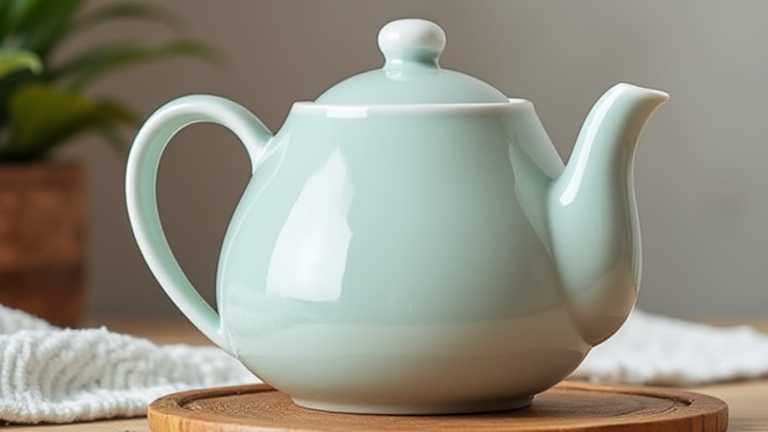
TL;DR: To keep your porcelain teapot flawless, hand-wash with mild soap after every use, avoid thermal shock by pre-warming with warm water, and store with the lid off to prevent musty odors. Never use abrasive scrubbers or dishwashers, as they will dull the glaze and chip delicate spouts.
Step-by-Step Porcelain Care Routine
Step 1: Rinse Immediately After Brewing
As soon as you finish your tea, empty the leaves and rinse the pot under lukewarm running water. Do not let tea sit overnight—tannins will stain the porous glaze, and old leaves can leave a bitter residue that ruins future brews. For stubborn residue, fill the pot with warm water and a teaspoon of baking soda, let it sit for 10 minutes, then rinse.
If you want to dig deeper, check out our guide on Elevate Your Home: Timeless Porcelain Teapots & Tea Sets.
Step 2: Hand-Wash with Gentle Detergent
Use a soft cellulose sponge or a microfiber cloth with a drop of mild dish soap (free of citrus or bleach). Work in circular motions, paying special attention to the spout interior and the rim where lid meets body. Rinse thoroughly—soap film absorbs into the porcelain and alters tea flavor. Never use steel wool, scouring pads, or abrasive powders; these micro-scratches trap bacteria and dull the high-fire shine.
Step 3: Dry Completely Before Storage
After rinsing, shake out excess water, then pat dry with a lint-free cotton towel. Leave the pot upside down on a drying rack for at least 30 minutes, with the lid off and the spout facing downward to allow airflow. For extra safety, place a dry paper towel inside the pot to absorb residual moisture. Store only when bone-dry—humidity encourages mold in the unglazed interior foot ring.
Step 4: Prevent Thermal Shock
Porcelain expands and contracts with heat; sudden temperature changes cause hairline cracks (called “crazing”). Always pre-warm your empty pot with warm tap water before adding boiling tea water. Never place a cold pot on a hot stove, and never pour boiling water into a pot straight from the fridge. After use, let the pot cool to room temperature before washing—do not plunge a hot pot into cold water.
Step 5: Remove Stains Without Abrasion
For tea stains on the interior, use a paste of baking soda and water. Apply with a soft cloth, let sit for 5 minutes, then rinse. For stubborn brown rings, add a tablespoon of white vinegar to warm water and soak for 15 minutes—never boil the pot with vinegar, as the acidic steam can erode the glaze. Avoid lemon juice on fine porcelain; its citric acid can etch the surface over time.
Step 6: Handle with Two Hands and Store Safely
Always lift the teapot by the handle with one hand while supporting the base with the other—the spout is the weakest point. When storing, place the pot on a felt-lined shelf away from direct sunlight (UV rays yellow the glaze). Do not stack other tea set items on top of the lid. If your teapot has a metal or bamboo handle, remove it before washing, as these materials corrode or warp.
FAQ
Q: Can I use my porcelain teapot in the microwave or dishwasher?
A: No. Microwaves heat unevenly, causing thermal shock and crazing; dishwasher detergents are too harsh and will strip the glaze. Always hand-wash and use a kettle for boiling water.
Q: How do I fix a chip or crack in my porcelain teapot?
A: For cosmetic chips, use a non-toxic food-safe porcelain repair epoxy (applied sparingly). For functional cracks that leak, do not attempt repair—retire the pot, as heat will expand the crack and cause breakage, possibly with hot liquid inside.
Q: Why does my porcelain te
Leave a Reply