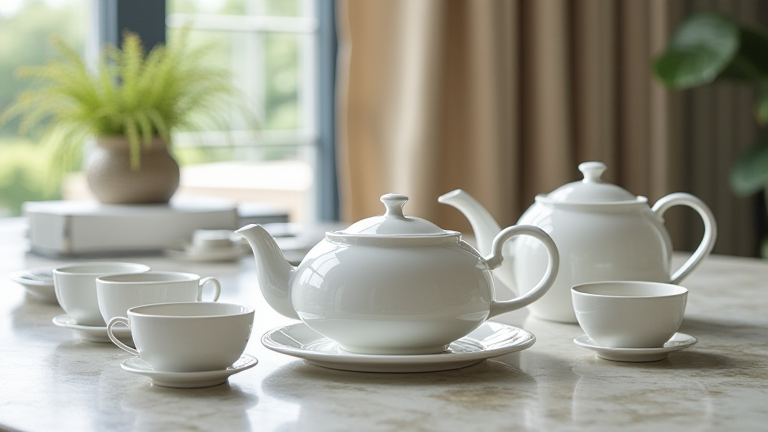
TL;DR: A timeless porcelain teapot transforms daily tea drinking into a ritual of mindfulness, connecting you to centuries of craftsmanship across cultures. Investing in a quality set elevates your home’s aesthetic while slowing down your pace—one cup at a time.
The Art of the Pour: Why Porcelain Endures
In a world of disposable mugs and hurried espresso shots, the porcelain teapot stands as a quiet rebellion. Unlike clay or cast iron, porcelain’s fine, vitrified body doesn’t absorb flavors, meaning your oolong today won’t taste like yesterday’s Earl Grey. This neutrality is its genius: it lets the leaf speak. For the traveler, a porcelain set is a portable piece of culture—whether you’re recreating a Moroccan mint tea ceremony or a Japanese sencha pause, the thin walls heat evenly and cool gracefully, forcing you to wait, watch, and savor.
If you want to dig deeper, check out our guide on The Ultimate Guide to Porcelain Teapots: Elevate Your Tea Ri.
Designing Your Tea Ritual at Home
Your tea set is not just tableware; it’s a daily invitation to personal growth. Choose a classic celadon glaze for a calm, museum-like presence, or a hand-painted cobalt floral for a nod to English afternoon tradition. The key is proportion: a 300–400 ml pot suits solo reflection, while a larger 800 ml set encourages shared conversations—the cultural backbone of tea. Pair your pot with matching cups that have a slight lip, enhancing aroma. Place the set on a bamboo tray or a linen cloth; this small staging creates a “tea corner” that anchors your living space, turning a mundane kitchen counter into a sanctuary.
Care as a Form of Mindfulness
Porcelain’s durability is a myth worth busting—it’s chip-resistant but not invincible. Hand-wash with mild soap, avoid sudden temperature shocks, and let it air-dry on a soft towel. This gentle care becomes a meditation, a weekly practice of tending to beauty. As you wipe the spout and polish the lid, you’re not just maintaining an object; you’re honoring a slow tradition that spans dynasties and continents. That’s the real elevation—not status, but presence.
FAQ
Q: Is porcelain better than bone china or ceramic for tea?
A: Porcelain is lighter and more heat-resistant than ceramic, and unlike bone china, it doesn’t contain animal ash. It’s the best all-rounder for delicate teas—neutral, durable, and classic.
Q: How many pieces should a starter tea set include?
A: Start with a 4-piece set: one teapot, two cups, and one serving tray. This covers solo use and an intimate guest, without overwhelming your shelf or your routine.
Q: Can I use a porcelain teapot on a stove or in a microwave?
A: No—porcelain is for brewing with hot water only. Direct flame or microwave can cause thermal shock and cracking. Always heat water separately, then pour.
Leave a Reply