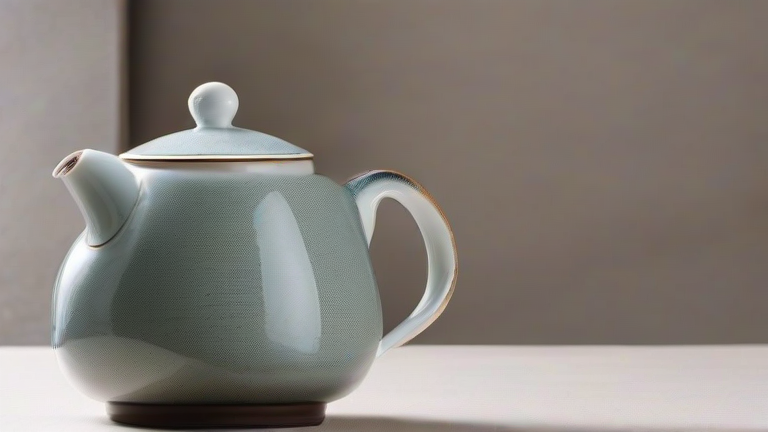
TL;DR: Choose a porcelain teapot with a fine, non-porous glaze to preserve delicate tea flavors, and brew at the correct temperature (not boiling for greens) with a 1:50 tea-to-water ratio. Preheat the pot thoroughly, steep for 2–4 minutes, and pour immediately to avoid bitterness.
Choosing Your Porcelain Teapot
First, inspect the porcelain for translucency—hold it to light; high-quality bone china or fine porcelain glows softly. Avoid pots with heavy crazing (fine cracks in the glaze), as they absorb oils and distort flavor. Select a pot size matching your serving needs: 300–500 ml for solo or duo, 800–1,200 ml for groups. A wide, low pot suits green and white teas (quick cooling), while a taller, narrow pot retains heat for black or oolong. Check the lid fit—it should sit snugly but not jam, and the spout should drip-free when tilted. For ease, prefer a built-in stainless steel mesh infuser over a separate basket; porcelain’s thermal mass keeps tea hot but not stewed.
If you want to dig deeper, check out our guide on Porcelain Teapot Buying Guide: How to Choose the Perfect Tea.
Brewing Perfect Tea
Step 1: Preheat the empty pot with hot water (80–90°C) for 30 seconds, then discard. This stabilizes the porcelain temperature. Step 2: Add loose leaf tea—use 2–3 grams per 150 ml of water. For floral or delicate teas, reduce to 1.5 grams. Step 3: Heat water to the correct temperature: green/white tea at 75–80°C (steam rising, no bubbling), oolong at 90°C, black tea at 95–100°C. Never pour boiling water directly into porcelain for green tea—thermal shock can crack it, and it scalds leaves. Step 4: Pour water in a circular motion over the leaves, leaving 1 cm of headroom. Step 5: Steep with the lid on—2 minutes for green, 3 for oolong, 4 for black. Taste at 30-second intervals after 2 minutes. Step 6: Pour all tea out completely; do not let leaves sit in water. For multiple infusions, add 15 seconds to the next steep.
Care & Flavor Tips
Rinse the pot with warm water immediately after use—never soap, which clings to porcelain pores. Dry upside down on a rack. To remove tannin stains, brew a teaspoon of baking soda in hot water for 10 minutes. Store with the lid off to prevent mustiness. For best flavor, dedicate one pot to one tea type; porcelain’s neutrality means it won’t fight the tea, but residual oils can blend if you switch wildly. Also, avoid cold water in a hot pot—always warm the pot first to prevent cracking.
FAQ
Q: Can I use a porcelain teapot on a stove or in a microwave?
A: No—porcelain is not flame-safe and may crack from direct heat. Use only for brewing; heat water separately in a kettle.
Q: Why does my tea taste metallic in a porcelain pot?
A: That’s likely from a metal infuser or spout filter—choose a porcelain or silicone mesh infuser instead. Also, rinse the pot with hot water before brewing to remove any dusty minerals.
Q: How do I remove stubborn tea stains inside my porcelain teapot?
A: Fill with warm water and add 2 tablespoons of white vinegar, let sit for 20 minutes, then scrub with a soft sponge. For heavy stains, use a paste of baking soda and water, gently rubbing in circles. Rinse thoroughly.
Leave a Reply