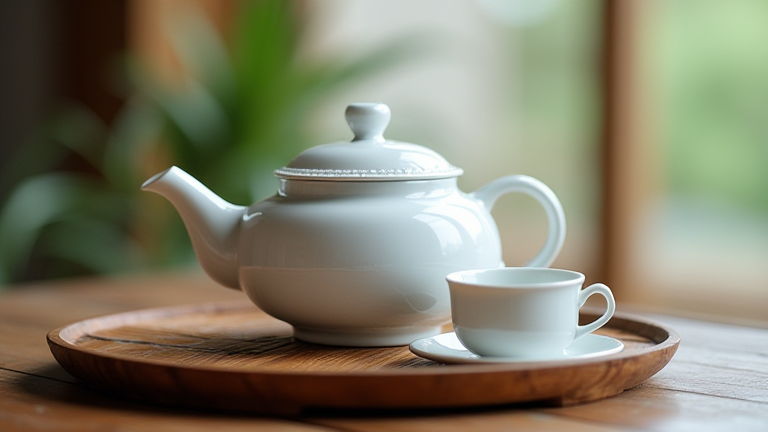
TL;DR: Wash your porcelain teapot immediately after use with warm water and a soft cloth, avoiding soap to preserve the natural oils that enhance flavor. Dry the interior thoroughly to prevent mineral spots and maintain the integrity of the glaze.
Understanding Your Porcelain Set
Porcelain is a high-fired ceramic known for its translucency, strength, and non-porous surface. Unlike clay teapots, porcelain does not absorb tea flavors or odors, making it ideal for serving a variety of teas without cross-contamination. However, the delicate glaze requires gentle handling to prevent chipping or clouding. A complete tea set usually includes the pot, matching cups, saucers, and sometimes a tray. Each piece should be cared for with equal attention to detail to ensure longevity and aesthetic appeal.
If you want to dig deeper, check out our guide on Best Ergonomic Office Chairs for Back Pain Relief.
Step-by-Step Cleaning Instructions
Begin the cleaning process immediately after brewing. Discard any loose tea leaves and rinse the pot with hot water to remove residual heat and tannins. Use a soft, lint-free microfiber cloth or a dedicated tea brush to gently wipe the interior and exterior surfaces. Avoid using abrasive sponges, steel wool, or harsh scrubbers, as these can scratch the glaze and create a dull appearance. If tea stains are persistent, soak the pot in warm water for ten minutes before wiping again. The non-porous nature of porcelain means that stains rarely penetrate the surface, so gentle persistence is usually sufficient to restore its pristine white finish.
Drying and Storage Tips
Proper drying is crucial to preventing water spots and potential mold growth, even on non-porous surfaces. After washing, invert the teapot to allow excess water to drain. Use a clean towel to pat the interior dry, paying special attention to the spout and the lid where moisture often collects. Do not store the teapot with the lid tightly closed while it is still damp, as this can trap humidity and lead to musty odors over time. Once completely dry, store the set in a cool, dry place. If your set includes a wooden tray, ensure it is wiped with a dry cloth to prevent warping from moisture. Avoid stacking heavy items on top of the teapot to prevent stress on the handle and spout.
Handling and Maintenance
When handling your porcelain tea set, always use both hands to distribute the weight evenly, especially when the pot is filled with hot water. This reduces the risk of dropping the delicate ceramic. Inspect the set regularly for any signs of hairline cracks or chips. If you notice a small chip, it is advisable to stop using that specific piece for hot liquids to prevent it from spreading and potentially breaking. For the lid, ensure the knob is secure and free from debris. If the glaze appears cloudy, this is often due to soap residue or hard water deposits. A gentle wipe with a solution of equal parts white vinegar and water, followed by a thorough rinse, can restore clarity. However, use vinegar sparingly and only if necessary, as frequent acidic cleaning is not required for non-porous porcelain.
Preventive Care
To maintain the beauty of your porcelain tea set, avoid sudden temperature changes. Do not pour boiling water into a cold teapot, as thermal shock can cause cracking. Similarly, do not place a hot pot on a cold, wet surface. Pre-warming the teapot with hot water before brewing is a standard practice that protects the ceramic and improves the brewing temperature stability. When pouring tea, pour slowly to avoid splashing onto the exterior, which can leave spots that are harder to clean. By adhering to these simple practices, you ensure that your porcelain tea set remains a beautiful and functional centerpiece for your tea rituals for years to come.
FAQ
Q: Can I use soap to clean my porcelain teapot?
A: It is generally best to avoid soap, as residues can alter the taste of future teas. If you must use soap, choose a mild, fragrance-free dish soap and rinse extensively with hot water to ensure no residue remains.
Q
Leave a Reply