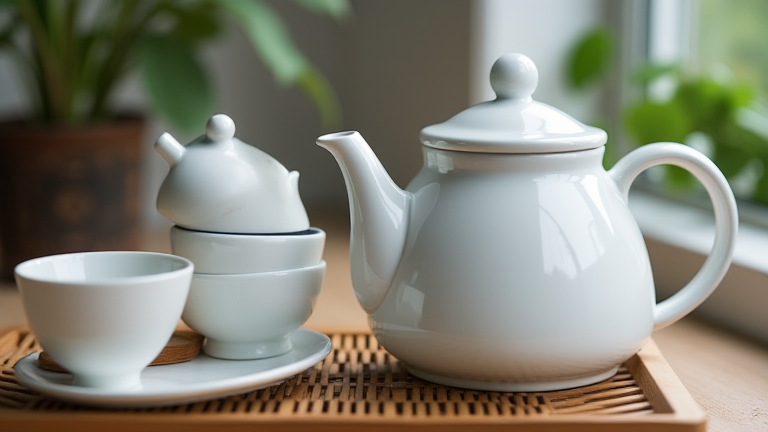
Porcelain Teapot Guide: How to Choose & Use the Right Set
TL;DR: Select a porcelain teapot based on the specific type of tea you brew most often, ensuring the capacity matches your guest count. Proper usage involves preheating the vessel, using fresh filtered water, and avoiding sudden temperature shocks to maintain the integrity of the glaze.
Step 1: Determine Your Primary Tea Preference
Porcelain is an excellent choice for white, green, and light oolong teas because it does not absorb flavors, allowing the delicate nuances of the leaves to shine. Unlike clay teapots, which can impart an earthy taste, porcelain remains neutral. Therefore, if you primarily drink heavily flavored black or herbal teas, porcelain is still suitable but may not enhance the body as much as stoneware would. Assess your personal tea library to ensure the material aligns with your flavor profile expectations.
If you want to dig deeper, check out our guide on Air Fryer Trend: Why Dehydrator Function Is Taking Over.
Step 2: Evaluate Capacity and Design Features
Choose a teapot size that suits your typical brewing session. A 6-ounce pot is ideal for a single person, while a 12-ounce pot serves two to three guests. Look for a smooth, unglazed interior if possible, as glazed interiors can sometimes chip over time, though high-quality porcelain glazes are durable. Ensure the lid fits snugly to prevent steam escape, which can weaken the flavor. The spout should be designed to produce a clean, non-dripping pour. Check that the handle is ergonomically sound and remains cool to the touch during brewing, a key safety feature of porcelain sets.
Step 3: Proper Preparation and Brewing Technique
Always preheat your porcelain teapot by rinsing it with hot water before adding tea leaves. This stabilizes the temperature and prevents the thermal shock that can cause hairline cracks. Use a ratio of one teaspoon of loose leaf tea per eight ounces of water. Pour water at the correct temperature for your tea type; for green tea, use water below boiling to avoid bitterness. Allow the tea to steep for the recommended time, usually three to five minutes, depending on the variety. Use a strainer if your teapot lacks a built-in infuser to catch fine particles.
Step 4: Maintenance and Care
After brewing, rinse the teapot with warm water immediately to prevent tannin stains from setting into the glaze. Do not use soap, as it can leave a residue that affects future brews. Dry the pot thoroughly to prevent water spots and mineral buildup. Store the teapot in a cool, dry place away from direct sunlight, which can fade decorative patterns over time. Inspect the set regularly for any chips or cracks in the glaze, and retire any damaged pieces to avoid breakage during use.
FAQ
Q: Is porcelain safe for dishwasher use?
A: Yes, most high-quality porcelain teapots are dishwasher safe, though hand washing is recommended to preserve intricate hand-painted details and extend the life of the glaze.
Q: Can I use a porcelain teapot for brewing coffee?
A: While possible, porcelain is generally preferred for tea; for coffee, stoneware or ceramic mugs are often better suited to retain heat and handle the acidity of coffee grounds.
Q: How do I remove tea stains from the interior?
A: If stains appear, soak the teapot in a mixture of warm water and baking soda for several hours, then scrub gently with a soft sponge and rinse thoroughly.
Leave a Reply