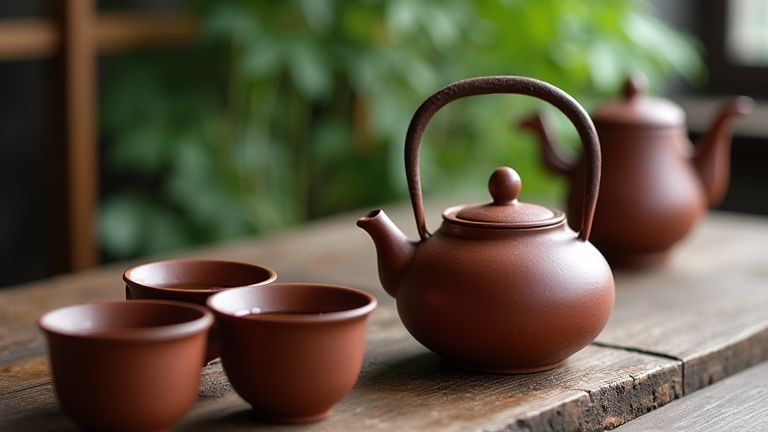
Porcelain Teapots: 7 Health Benefits of Brewing Tea in Clay
TL;DR: Porcelain teapots provide a chemically inert environment that preserves the delicate antioxidants and polyphenols in your tea. This material ensures a pure flavor profile without introducing unwanted metallic tastes or leaching harmful substances into your brew.
Choosing the right vessel for your tea is not merely an aesthetic decision; it is a functional choice that impacts the nutritional integrity of your beverage. While traditional clay pots have their place, high-quality porcelain offers distinct advantages for health-conscious individuals seeking optimal hydration and antioxidant intake. Understanding these benefits helps you make informed decisions about your daily wellness routine.
If you want to dig deeper, check out our guide on Handcrafted Porcelain Teapots & Sets: The Ultimate Guide.
The Science of Thermal Stability
Porcelain is fired at extremely high temperatures, resulting in a non-porous, glass-like surface. This structural integrity means the material does not absorb moisture or odors from previous brews. Consequently, there is no risk of cross-contamination between different types of tea, ensuring that every cup retains its specific botanical profile. This purity is crucial for maintaining the distinct health properties associated with various teas, from the calming effects of chamomile to the energizing properties of green tea.
Preserving Antioxidant Potency
One of the primary health benefits of using porcelain is the preservation of catechins and other polyphenols. Reactive metals can sometimes degrade these sensitive compounds or introduce a metallic aftertaste that masks the natural flavor. Porcelain’s inert nature prevents chemical interactions with the tea liquid, allowing the full spectrum of antioxidants to remain intact. These compounds are vital for reducing oxidative stress and supporting cardiovascular health, making the choice of teapot a subtle but significant factor in your long-term wellness strategy.
Temperature Retention and Efficiency
Unlike thin glassware, porcelain has excellent thermal mass. It holds heat effectively, keeping your tea at the optimal temperature for extended periods. This is particularly beneficial for herbal infusions that require steeping to release their therapeutic benefits. By maintaining consistent heat, you avoid the need to reheat water, which can scorch the leaves and destroy beneficial nutrients. This efficiency encourages mindful consumption, allowing you to enjoy multiple cups from a single pot without compromising quality.
Lifestyle Tips for Optimal Use
To maximize the health benefits of your porcelain teapot, ensure you are using the correct water temperature for each tea type. For example, green tea should be brewed at lower temperatures to prevent bitterness, while black tea requires near-boiling water. Additionally, clean your teapot with mild soap and water to maintain hygiene without damaging the glaze. Avoid sudden temperature shocks, such as pouring boiling water into a cold pot, to prevent cracking and extend the lifespan of your investment. A well-maintained porcelain teapot can last for decades, making it a sustainable and health-promoting addition to your kitchen.
FAQ
Q: Is porcelain safe for brewing all types of tea?
A: Yes, food-grade porcelain is non-toxic and inert, making it safe for all teas including herbal, black, and green.
Q: Does porcelain affect the taste of the tea?
A: No, porcelain is flavor-neutral and does not impart any metallic or earthy notes, preserving the pure taste of the leaves.
Q: How should I clean a porcelain teapot to maintain hygiene?
A: Wash with warm water and mild dish soap, then rinse thoroughly and air dry to prevent mold or bacterial growth.
Leave a Reply