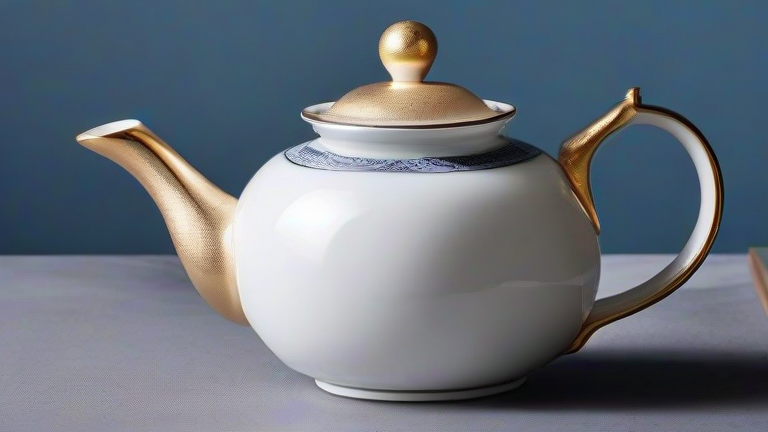
TL;DR: Choose a porcelain teapot with a snug-fitting lid, a smooth glaze, and a capacity matching your serving size (2–4 cups). For care, hand-wash with mild soap, avoid thermal shock by pre-warming, and store with the lid off to prevent musty odors.
Step 1: Choosing the Right Porcelain Body
Inspect the porcelain under a bright light. High-quality porcelain should be translucent at the thinnest points (like the rim) but not show hairline cracks. Run your finger over the surface—it should be glass-smooth, with no pinholes or rough spots where tea can stain. Pick a teapot with a wide, stable base and a handle that sits comfortably in your grip, especially when full. For daily use, avoid ultra-thin “egg-shell” porcelain; a medium thickness resists chipping better.
If you want to dig deeper, check out our guide on Porcelain Teapot Guide: How to Choose, Care & Brew.
Step 2: Match the Spout and Filter
Pour cold water through the empty spout over a sink. A good spout should produce a steady, drip-free stream without leaking from the lid. Look for a built-in mesh filter or a separate stainless-steel infuser that fits the pot’s interior. If you prefer loose-leaf, choose a pot with a wide mouth for easy cleaning. For bagged tea, a simple strainer at the spout base is sufficient. Avoid pots with metal rims touching the porcelain—they can crack under heat.
Step 3: First Use & Pre-Warming Ritual
Before the first brew, rinse the teapot with warm (not boiling) water and let it air dry. Never place a cold porcelain pot directly onto a hot stove or pour boiling water into a chilled pot—this causes thermal shock and cracks. For every use, pre-warm the pot by filling it one-third with hot water, swirling gently, and discarding. This raises the porcelain temperature, which helps tea steep evenly and keeps the pot hot longer.
Step 4: Brewing and Daily Cleaning
Add tea leaves, then pour water at the correct temperature (green: 75–80°C; black: 95–100°C). After steeping, pour out all liquid—never let tea sit in the pot for hours. Rinse immediately with warm water, no soap needed for daily use. For stubborn stains, use a soft sponge with baking soda paste (1 tsp soda + 2 tsp water). Avoid abrasive pads, bleach, or dishwasher cycles—they dull the glaze and erode gold or painted details.
Step 5: Deep Cleaning, Drying & Storage
Once a month, fill the pot with a 1:1 white vinegar and water solution, let sit for 20 minutes, then rinse thoroughly. Dry the pot completely with a lint-free cloth, including under the lid. Store the teapot with the lid slightly ajar (or place a folded paper towel between lid and body) to allow air circulation. Keep it in a cabinet away from direct sunlight or heat vents. If stacking, place a soft cloth between pieces to prevent scratches.
FAQ
Q: Can I use a porcelain teapot on a stovetop or in a microwave?
A: No. Most porcelain teapots are not flameproof—direct heat will crack them. For microwaving, only use if the label says “microwave-safe” (typically plain, unglazed bottom). Even then, never heat an empty pot.
Q: How do I remove tea stains that won’t come off with soap?
A: Mix equal parts baking soda and water into a paste, apply to the stained area with a soft cloth, and gently rub in circles. Rinse with warm water. For stubborn brown rings, add a few drops of lemon juice to the paste. Never use steel wool or harsh chemical cleaners.
Q: Is it okay to brew different tea types in the same porcelain pot?
A: Yes, because porcelain is non-porous and does
Leave a Reply