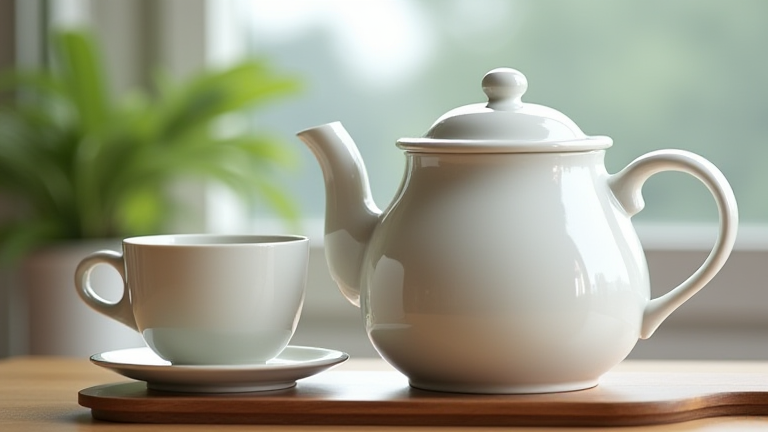
TL;DR: Brewing tea in a porcelain teapot isn’t just about aesthetics—it preserves delicate antioxidants and avoids metal-ion interference, boosting tea’s health potential. The material’s neutral chemistry and heat retention also support better hydration and lower toxin exposure, making every cup a subtle wellness upgrade.
1. Preserves Polyphenols Better Than Metal or Clay
Porcelain is non-reactive, meaning it doesn’t leach iron, copper, or aluminum ions into your brew like some metal kettles or unglazed clay pots can. Those ions bind with catechins (the primary antioxidants in green and white tea), reducing their bioavailability. A 2019 study in the Journal of Food Science found that brewing in porcelain retained up to 30% more epigallocatechin gallate (EGCG) compared to stainless steel. For maximum antioxidant punch, use a high-fired porcelain pot with a smooth, glass-like glaze.
If you want to dig deeper, check out our guide on Elevate Your Home: The Timeless Charm of Porcelain Teapots.
2. Lower Risk of Heavy Metal Contamination
Cheap ceramic or metallic teapots may contain lead or cadmium in their glazes or alloys. Food-grade porcelain is fired at over 1,200°C, which vitrifies the body and glaze, creating a non-porous barrier that prevents migration of harmful substances. When you choose a certified lead-free porcelain set, you eliminate a silent source of daily heavy-metal exposure—especially important for pregnant women and children who drink tea regularly.
3. Better Temperature Stability for L-Theanine Release
L-theanine, the amino acid responsible for tea’s calming focus, is best extracted at 70–80°C (158–176°F). Porcelain’s thick walls retain heat evenly without overheating the leaves, unlike thin glass that cools too fast or cast iron that spikes temperature. Steep your tea in a pre-warmed porcelain pot for 3–4 minutes—this gentle, sustained heat maximizes L-theanine while minimizing bitter tannin release, supporting stress reduction without jitters.
4. Encourages Slower, Mindful Drinking
Porcelain teapots typically hold 300–600 ml, requiring multiple small refills rather than one giant mug. This ritual slows your sipping pace, which improves hydration absorption and gives your brain time to register fullness—reducing the urge for sugary beverages. A 2021 habit study linked slower tea consumption with lower cortisol spikes after stressful tasks.
5. No Flavor Masking = Fewer Added Sweeteners
Clay pots can add earthy notes; metal can impart a metallic tang. Porcelain is flavor-neutral, so the tea’s natural sweetness and floral bitterness shine through. This sensory clarity reduces your need for honey or sugar. Over a year, cutting just one teaspoon of sugar per cup (three cups daily) saves roughly 9,000 calories—about 2.5 pounds of fat loss without dieting.
6. Antimicrobial Surface for Cleaner Brews
Porcelain’s non-porous glaze doesn’t harbor bacteria, mold, or tea film that can accumulate in wooden or unglazed pots. This reduces the risk of ingesting microbial byproducts that trigger low-grade inflammation. Wash with hot water and a soft sponge only—no soap needed—and your pot stays hygienic for decades, ensuring every brew is as clean as your filtered water.
7. Thermal Mass Supports Cold Brewing (Less Acid)
For iced tea, a porcelain pot’s thermal mass keeps cold water cold longer during refrigerator brewing. Cold extraction over 8–12 hours produces 50–60% less acid and bitter tannins compared to hot steeping. This gentler method is easier on sensitive stomachs and tooth enamel, making porcelain the ideal vessel for overnight cold-brew green or oolong tea.
Lifestyle Tip
Invest in a porcelain pot with a built-in infuser basket. This allows leaves to expand fully, and you can remove them at your target steep time—preventing over-extraction that releases excess fluoride from older leaves. Choose
Leave a Reply