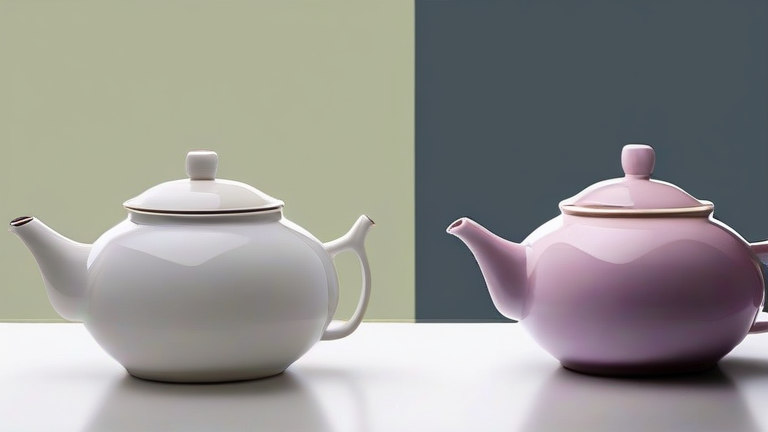
TL;DR: Porcelain teapots offer superior chemical stability compared to reactive materials, ensuring that your tea retains its pure flavor and nutritional integrity without unwanted leaching. Choosing high-quality porcelain supports a safer, more hygienic brewing experience that enhances the overall health benefits of your daily tea ritual.
The Chemistry of Clean Brewing
When selecting a teapot, many enthusiasts focus solely on aesthetics, overlooking a critical factor that impacts both taste and health: material composition. Porcelain is a sintered ceramic, fired at extremely high temperatures, which results in a dense, non-porous structure. Unlike clay or stoneware, which can be porous, porcelain does not absorb flavors, oils, or odors. This is vital for health because porous materials can harbor bacteria and mold between uses, potentially contaminating your beverage. Furthermore, porcelain is chemically inert. It does not react with the acidic compounds found in teas like green or oolong. This neutrality is essential for preserving the delicate antioxidants, such as catechins and polyphenols, which are the primary drivers of tea’s health benefits. By using a porcelain teapot, you ensure that the water’s pH remains stable, allowing for a more consistent extraction of beneficial compounds.
If you want to dig deeper, check out our guide on Luxury Porcelain Teapots & Tea Sets: The Ultimate Business G.
Hygiene and Food Safety Standards
Health and wellness extend beyond what is in the tea to what interacts with it. Porcelain teapots are generally easier to clean thoroughly than porous alternatives. Because the surface is smooth and glazed, it resists the buildup of tea tannins and oils that can create a breeding ground for microorganisms. This ease of sanitation is a significant lifestyle advantage for those prioritizing hygiene. Additionally, reputable porcelain tea sets are manufactured to meet strict food safety standards, ensuring that no lead or cadmium is present in the glaze. These heavy metals can leach into hot liquids, posing long-term health risks. When purchasing a porcelain teapot, look for certifications indicating that the product is lead-free and safe for hot beverage use. Investing in a high-quality, certified porcelain set is a proactive step toward reducing exposure to potential toxins in your daily routine.
Lifestyle Tips for Optimal Health
To maximize the health benefits of your porcelain teapot, consider adopting specific brewing habits. First, preheat your porcelain pot with hot water before adding tea leaves. This thermal stability helps maintain a consistent brewing temperature, which is crucial for extracting the right balance of flavor and antioxidants. Avoid over-brewing, as this can release excessive tannins, leading to bitterness and potentially higher caffeine intake. Porcelain’s excellent heat retention allows for precise control over steeping time, enabling you to tailor each cup to your specific health goals, whether that is calming relaxation or energizing alertness. Additionally, store your porcelain tea set in a dry, well-ventilated area. While porcelain is durable, keeping it dry prevents any potential moisture-related issues and ensures the next brew is as fresh as the first. By integrating these simple practices, you transform a simple tea break into a mindful, health-conscious ritual.
FAQ
Q: Is porcelain safer than stainless steel for brewing tea?
A: Yes, porcelain is often preferred for delicate teas because it is non-reactive. Stainless steel may impart a metallic taste to certain teas, whereas porcelain preserves the natural profile and prevents any interaction between the metal and the liquid, ensuring a purer health profile.
Q: Can I use a porcelain teapot for herbal teas with high acidity?
A: Absolutely. Porcelain’s chemical inertness makes it ideal for acidic herbal infusions like hibiscus or lemon tea. It prevents any chemical reaction that could degrade the teapot or alter the tea’s nutritional content, making it a versatile choice for all types of healthy infusions.
Q: How should I clean my porcelain teapot to maintain hygiene?
A: Wash your porcelain teapot with warm water and a mild, unscented soap after each use. Avoid abrasive scrubbers that could scratch the glaze, as scratches can trap bacteria. Rinse thoroughly and air dry with the lid off to ensure complete cleanliness and prevent moisture buildup
Leave a Reply