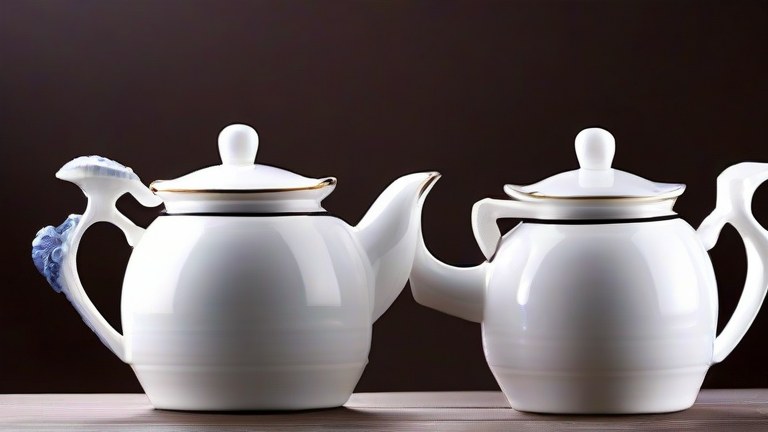
Porcelain Teapots & Health: Why It’s Safe for Brewing
TL;DR: Porcelain teapots are chemically inert and non-porous, making them a safe, lead-free choice for brewing tea without contaminating your beverage. Their ability to retain heat while allowing precise temperature control ensures optimal extraction of beneficial polyphenols and antioxidants.
The Science of Material Safety
When selecting a teapot, material safety is paramount. Unlike earthenware or cast iron, high-quality porcelain is fired at extremely high temperatures, creating a glass-like, non-porous surface. This structure prevents the absorption of tea oils, tannins, or flavors, ensuring that your cup contains only what you put in. Furthermore, reputable porcelain manufacturers adhere to strict safety standards, such as the FDA’s Prop 65, which limits lead and cadmium leaching. Studies indicate that when these standards are met, porcelain does not release harmful heavy metals into hot water, even over years of daily use. This chemical stability makes porcelain superior to unglazed clay, which can sometimes harbor bacteria or leach minerals unpredictably.
Preserving Nutritional Integrity
Tea is rich in catechins, theanine, and other bioactive compounds that support heart health, cognitive function, and metabolism. Porcelain teapots excel at preserving these nutrients due to their thermal properties. Porcelain has a moderate heat capacity, meaning it heats up quickly but does not retain residual heat from the previous brew as intensely as cast iron. This allows for more precise control over steeping temperatures. For instance, delicate green teas require lower temperatures to avoid bitterness and preserve their delicate antioxidant profile, while black teas benefit from higher heat to fully extract flavor and polyphenols. By using a porcelain teapot, you can maintain the specific temperature required for each tea type, maximizing the health benefits of every cup. Additionally, the smooth interior prevents the buildup of biofilm, reducing the risk of bacterial growth that can occur in porous materials if not cleaned meticulously.
Lifestyle Tips for Optimal Use
To maintain the health benefits and longevity of your porcelain tea set, adopt specific care routines. First, always preheat your teapot with hot water before brewing. This stabilizes the temperature and prevents thermal shock, which can crack the ceramic. Second, avoid sudden temperature changes, such as adding ice to a hot teapot or placing a cold pot into a hot oven. Third, clean your teapot immediately after use with mild soap and water. Do not use abrasive scrubbers, as they can scratch the glaze, creating microscopic pockets where bacteria can thrive. If using a porcelain gaiwan, ensure the lid fits snugly to prevent heat loss. Finally, consider using porcelain for herbal infusions as well, as the neutral taste profile allows the subtle notes of chamomile or mint to shine without interference. By choosing a safe, non-reactive vessel like porcelain, you enhance both the flavor and the health potential of your daily tea ritual.
FAQ
Q: Is porcelain teapots safe for daily use?
A: Yes, high-quality porcelain is safe for daily use because it is non-porous and chemically stable, preventing the leaching of harmful substances into your tea.
If you want to dig deeper, check out our guide on Smart Teapots: How Tech & Porcelain Are Redefining the Tea R.
Q: Can porcelain teapots affect the taste of tea?
A: No, porcelain is flavor-neutral and non-absorbent, so it does not alter the taste of the tea, unlike unglazed clay which can absorb and retain flavors.
Q: How should I clean a porcelain teapot for health reasons?
A: Wash with mild soap and warm water after each use, avoiding abrasive cleaners that could damage the glaze and create areas for bacteria to collect.
Leave a Reply