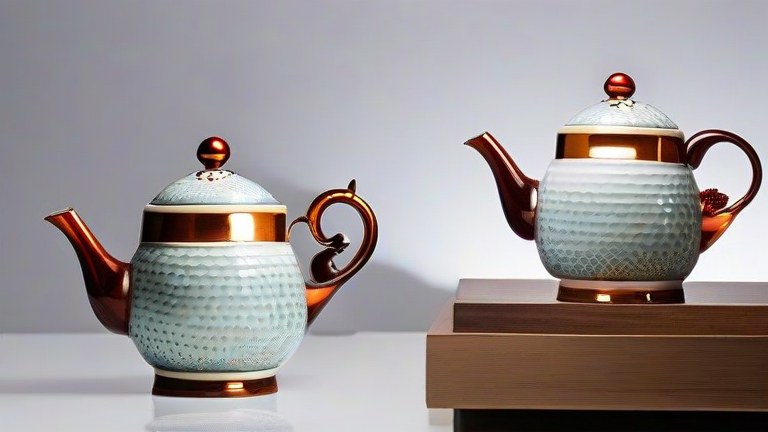
TL;DR: Luxury porcelain tea sets are a high-margin differentiator that appeals to discerning consumers seeking aesthetic refinement and functional durability. Investing in premium porcelain lines allows tea businesses to command higher price points while fostering brand loyalty through superior customer experiences.
Market Analysis: The Rise of Premium Tea Culture
The global tea market is undergoing a significant shift from commodity-driven consumption to experience-based engagement. According to recent industry reports, the premium tea segment is growing at a compound annual growth rate of over 6 percent, significantly outpacing the standard instant or bagged tea sectors. This growth is largely driven by millennials and Gen Z consumers who value sustainability, craftsmanship, and ritual. Within this landscape, porcelain has emerged as the dominant material for premium tea ware. Unlike ceramic, which can be porous and absorb flavors, high-quality porcelain is non-porous, ensuring that the pure taste of the tea remains uncompromised. Furthermore, the translucency and delicate strength of fine porcelain allow for intricate designs that resonate with the visual aesthetics of modern interior design trends. The market analysis reveals a clear demand for “slow living” products, where the act of brewing tea becomes a meditative practice. Porcelain tea sets serve as the central artifact in this ritual, making them an essential component of the premium tea offering.
If you want to dig deeper, check out our guide on Top 10 Ergonomic Office Chairs for Back Pain Relief.
Strategy Insights: Positioning for Profit
To capitalize on this trend, businesses must adopt a strategic approach to product positioning. First, focus on sourcing. Partner with manufacturers who use high-temperature firing techniques to ensure the durability and whiteness of the porcelain. This technical superiority justifies the premium pricing. Second, emphasize storytelling. Each tea set should come with a narrative that highlights the artisanal process, the origin of the clay, and the cultural significance of the design. This narrative transforms a simple utility item into a collectible piece. Third, integrate your porcelain sets with exclusive tea blends. Curated bundles that include a specific porcelain teapot and a matching tea blend create a cohesive brand experience. This cross-selling strategy increases average order value and encourages repeat purchases. Additionally, leverage digital marketing to showcase the tactile and visual appeal of the products. High-quality video content demonstrating the smooth pour and the elegant unboxing process can significantly enhance conversion rates. By positioning your porcelain tea sets as lifestyle accessories rather than mere kitchenware, you tap into the emotional value that drives premium consumption.
Case Studies: Success in the Niche
Consider the case of “Kiln & Leaf,” a boutique tea brand that launched a limited-edition line of hand-painted porcelain teapots. By collaborating with local artists, they created unique, one-of-a-kind pieces that generated significant social media buzz. Their strategy focused on scarcity and exclusivity, resulting in a sell-out within two weeks. Another example is “Pure Porcelain Co.,” which targeted corporate gifting markets. They offered custom-branded porcelain tea sets for executive clients, providing a sophisticated alternative to standard corporate gifts. This B2B strategy allowed them to achieve higher volume sales with consistent margins. Both cases illustrate that success in this niche requires a clear value proposition, whether it is artistic uniqueness or corporate sophistication. By studying these examples, businesses can identify their own unique angle in the competitive landscape of luxury tea ware.
FAQ
Q: Why is porcelain preferred over ceramic for high-end tea sets?
A: Porcelain is non-porous and more durable, ensuring it does not absorb tea flavors or odors, while also offering a finer, more translucent aesthetic that aligns with luxury branding.
Q: How can small tea businesses compete with large retailers on porcelain products?
A: Small businesses can compete by focusing on niche design collaborations, limited edition releases, and superior customer service, creating a personal brand connection that mass retailers cannot replicate.
Q: What is the best way to introduce a new porcelain line to existing customers?
A: The best approach is to offer exclusive early access to loyal customers or to bundle the new porcelain sets with their favorite tea blends, providing added value and encouraging trial.
Leave a Reply