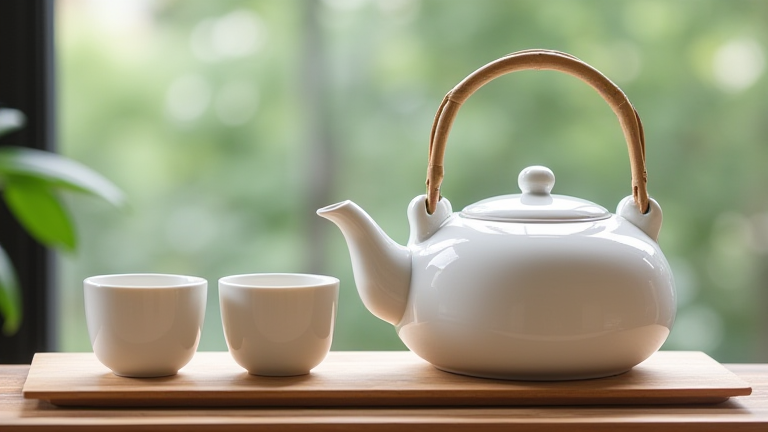
TL;DR: Yes, porcelain teapots are completely safe for brewing because they are fired at high temperatures (above 1,200°C), making them non-porous, chemically inert, and free from harmful leaching. Unlike some metal or low-quality ceramic pots, porcelain does not react with acidic teas or release toxins into your brew.
Why Porcelain Is a Health-Safe Choice
Porcelain, also known as fine china, is made from kaolin clay and feldspar, fired at extreme heat. This vitrification process fuses the materials into a glass-like surface that is non-porous. That means no bacteria, mold, or residual oils can hide in microscopic cracks—unlike unglazed earthenware. For daily tea drinkers, this reduces the risk of biofilm buildup that can alter flavor and introduce pathogens.
If you want to dig deeper, check out our guide on Top 10 Sneaker Trends Redefining Streetwear Aesthetics.
No Heavy Metal Leaching
Concerns about ceramic glazes often center on lead or cadmium. High-quality porcelain teapots use food-safe, lead-free glazes that are also fired at high temperatures, locking in any pigments. The FDA and EU standards strictly regulate these products. When you buy from reputable brands (look for “food-safe” or “lead-free” labels), your tea will not absorb toxic metals. Acidic teas like hibiscus or citrus blends are particularly safe in porcelain—unlike some metal teapots, which can react and impart metallic tastes.
Lifestyle Tip: Choose Glazed Over Matte
For optimal safety and easy cleaning, select a porcelain teapot with a glossy interior glaze. Matte or “raw” finishes can be more porous. Also, avoid using abrasive scrubbers—use mild soap and warm water, then air dry. This preserves the glaze integrity for years, ensuring no chipping that could expose unvitrified clay.
Thermal Stability and Flavor Purity
Porcelain retains heat well without burning your tea, and its neutral surface does not absorb flavors. This means you can switch from a robust black tea to a delicate white tea without cross-contamination. For health, this also prevents the buildup of tannins and oils that can become rancid. Pre-warm your pot with hot water before brewing to reduce thermal shock and extend its lifespan.
FAQ
Q: Can porcelain teapots leach lead if they are old or vintage?
A: Potentially, yes. Vintage or antique porcelain may have been made with lead-based glazes. For health safety, use only modern, certified lead-free porcelain for brewing, or test vintage pieces with a lead swab.
Q: Is porcelain better than glass or stainless steel for tea health?
A: For non-reactivity and heat retention, porcelain is superior to glass (which can break easily) and stainless steel (which can impart a metallic taste). Porcelain is inert, durable, and does not alter tea’s antioxidants.
Q: How do I know if my porcelain teapot is truly food-safe?
A: Check for a “food-safe” or “lead-free” certification on the packaging, or look for brands that comply with California Prop 65 or EU Directive 84/500/EEC. Also, run a simple test: fill with vinegar for 24 hours—if the glaze changes color or develops a film, avoid using it.
Leave a Reply