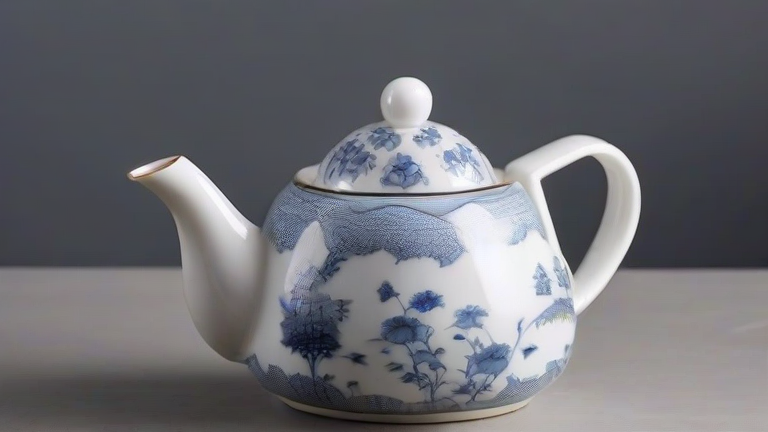
Porcelain Teapots & Health: Why This Material Is Safest for Tea
TL;DR: Porcelain is the safest material for tea because its vitrified, non-porous surface prevents the leaching of heavy metals or chemical residues. It preserves the authentic flavor profile of delicate teas by ensuring zero interaction between the brew and the vessel.
The Science of Inertness
When selecting a teapot, the primary health concern is material interaction. Unlike cast iron, which can rust or leach iron into water, or older glazes that may contain lead, high-quality porcelain is chemically inert. Porcelain is fired at extremely high temperatures, typically exceeding 1,200 degrees Celsius. This process creates a glass-like, vitrified body that is completely non-porous. Scientific studies on ceramic leaching indicate that properly glazed porcelain does not release significant amounts of lead, cadmium, or other heavy metals into beverages under normal brewing conditions. This makes it an ideal choice for daily consumption, as there is no risk of introducing unwanted contaminants into your daily hydration routine.
If you want to dig deeper, check out our guide on Porcelain Teapots & Tea Sets: Top Brands, Care & Buying Guid.
Flavor Purity and Hygiene
Health is not just about avoiding toxins; it is also about maximizing the nutritional benefits of tea. Tea leaves contain polyphenols, catechins, and antioxidants that are best preserved when brewed in a neutral environment. Porcelain’s smooth surface ensures that no previous flavors linger, allowing you to taste the true character of each tea variety without interference. Furthermore, hygiene is a critical component of health. Because porcelain is non-porous, it does not trap bacteria, mold, or tea stains within its walls. This ease of cleaning reduces the risk of microbial growth, which can occur in more porous materials like unglazed stoneware if not meticulously maintained. A clean teapot means a cleaner cup, supporting overall digestive health and immune function.
Lifestyle Tips for Optimal Use
To maintain the health benefits of your porcelain teapot, adopt a few simple lifestyle habits. First, always ensure your porcelain teapot is lead-free, especially if purchasing vintage or imported pieces. Modern, reputable manufacturers adhere to strict safety standards, so buying from established brands guarantees compliance with health regulations. Second, avoid thermal shock. While porcelain is durable, sudden extreme temperature changes can cause micro-cracks. These cracks can eventually harbor bacteria or compromise the glaze integrity. Let hot water cool slightly before pouring it into a cold pot, or warm the pot with hot water first. Finally, hand wash your teapot with mild soap and a soft cloth. Avoid abrasive scrubbers that could scratch the glaze, as a damaged surface is more likely to absorb odors and harbor bacteria. By caring for your porcelain set, you ensure it remains a safe, hygienic, and flavorful companion for your daily tea ritual.
FAQ
Q: Is porcelain better for health than glass?
A: Both are safe and inert, but porcelain offers superior heat retention, allowing for better extraction of nutrients and consistent brewing temperatures.
Q: Can lead leach from porcelain teapots?
A: No, not from modern, certified porcelain. The high firing temperature bonds the glaze to the clay, creating a stable, non-leaching surface safe for daily use.
Q: Does porcelain affect the antioxidant levels in tea?
A: No, porcelain is chemically neutral and does not react with tea polyphenols, ensuring maximum preservation of antioxidants and beneficial compounds.
Leave a Reply