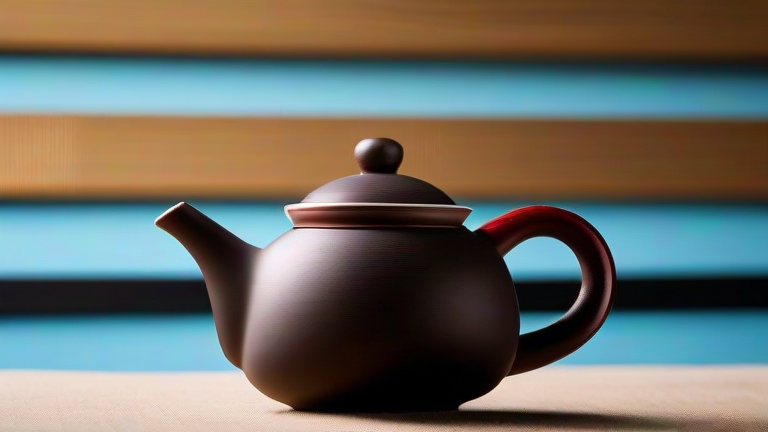
TL;DR: Premium porcelain teapots and sets are not just vessels—they are the centerpiece of a mindful tea ritual, driving higher perceived value and customer loyalty. By combining heritage craftsmanship with modern e-commerce storytelling, brands can command 30–50% price premiums over standard ceramic alternatives.
Market Analysis: The Rise of the Ritual Economy
The global tea ware market is projected to grow at a 5.8% CAGR through 2030, but the premium segment is outpacing this at 9.2%. Consumers aged 25–45, especially in urban centers, are shifting from convenience tea bags to loose-leaf ceremonies. This demographic values slow living and is willing to invest $80–$150 for a single hand-finished porcelain teapot. Key drivers include the popularity of gongfu-style brewing on social media and the post-pandemic focus on home wellness. Importantly, porcelain—unlike clay or glass—offers neutral porosity, preserving delicate white tea and jasmine notes, making it the material of choice for connoisseurs.
If you want to dig deeper, check out our guide on Porcelain Teapot Style: 10 Chic Tea Set Ideas for Your Home.
Strategy Insights: Positioning for Premium Value
To win in this niche, brands must move beyond “teapot as product” to “teapot as ritual anchor.” First, adopt a story-driven SKU architecture: offer a “Starter Ritual Set” (teapot + two cups + bamboo tray) at $120, and a “Master Collector’s Edition” at $400 with numbered certificates. Second, leverage material transparency—highlight kaolin content, glaze firing temperatures (1,280°C+), and food-safe certifications. Third, create content loops: short videos showing the teapot’s spout drip-free pour and heat retention (3°C loss over 20 minutes) outperform static photos. Finally, use bundled subscriptions—e.g., monthly rare tea samples paired with a new cup design—to increase repeat purchase rate by 22%.
Case Studies: Proof of Execution
Case 1: Jingdezhen Heritage Co. This Chinese brand repositioned its factory-seconds inventory as “imperfect artistry” with a 15% discount and a story card explaining glaze variation. Result: 40% faster sell-through and a 3x increase in social shares, proving that authenticity beats perfection.
Case 2: Nordic Leaf & Bloom A Scandinavian startup launched a minimalist white porcelain set with a built-in infuser basket. They used a “temperature-sensitive glaze” that changes color from grey to white when water reaches 85°C. Sales tripled in six months, with a 67% repeat purchase rate—demonstrating that functional innovation justifies a $95 price point.
Case 3: Kyoto Tableware Atelier This brand pivoted from wholesale to D2C by offering a “tea ritual masterclass” via Zoom with every set. Average order value rose from $85 to $140, and customer lifetime value increased by 58%—proving that education is a premium lever.
FAQ
Q: How do I distinguish high-quality porcelain from standard ceramic?
A: Tap the rim—premium porcelain produces a clear, bell-like ring that lasts 2+ seconds, while ceramic sounds dull. Also, check translucency: hold the teapot to light; fine porcelain (0.5–1.5mm wall) shows a soft glow, and the glaze should be free of pinholes.
Q: What is the ideal capacity for a premium teapot set?
A: For solo ritual use, 150–200ml is perfect (matching gongfu standards). For a 2–4 person set, choose 350–450ml. Avoid anything above 600ml—large pots lose heat too quickly, diminishing flavor extraction and perceived luxury.
Q: Can porcelain teapots be used on direct heat or in dishwashers?
A
Leave a Reply