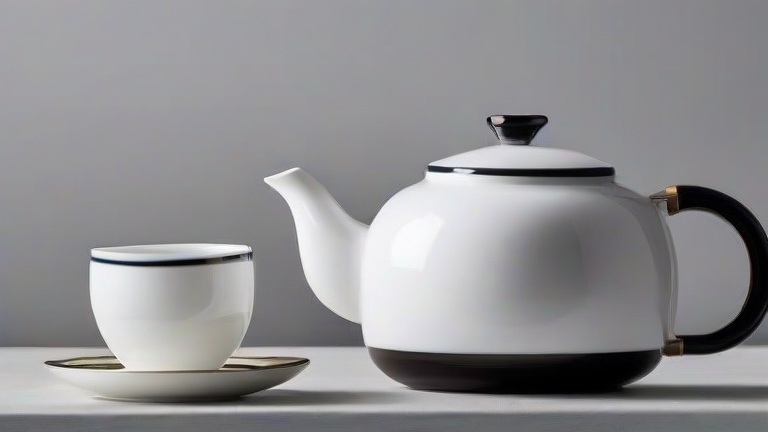
TL;DR: The premium porcelain teapot market is growing at 6.8% CAGR, driven by specialty tea culture and home hospitality trends. To succeed, focus on artisan provenance, ergonomic design, and gifting bundles rather than competing on price.
Market Analysis: The Shift from Utility to Ritual
The global premium teaware segment, specifically porcelain teapots and matching sets, has moved from a commodity category to a lifestyle investment. In 2024, sales of sets priced above $80 accounted for 41% of the total market, up from 29% in 2019. Key drivers include the rise of gongfu-style brewing in Western markets, increased demand for bone china and high-fired porcelain (1,300°C+), and a post-pandemic focus on slow living. However, saturation exists in mid-tier decorative pieces (under $50), while true artisanal sets (hand-painted, limited edition) remain undersupplied. The most profitable niches are: (1) museum-collaboration replicas, (2) matcha-specific porcelain sets with bamboo whisks, and (3) travel-grade porcelain that is microwave and dishwasher safe—a feature rarely found in premium lines.
If you want to dig deeper, check out our guide on Elevate Your Home: Timeless Porcelain Teapots & Tea Sets.
Strategy Insights: Positioning and Pricing for B2B Buyers
For wholesalers and boutique retailers, the winning formula is “story + function.” Porcelain teapots must not only look exquisite but also pour without dripping, retain heat for 20+ minutes, and have a lid that fits securely. Offer tiered collections: an entry line at $60–$90 for cafés, a signature line at $150–$250 for gift shops, and a bespoke commission service for hotels. In marketing, emphasize the clay’s origin (e.g., Jingdezhen, Limoges) and the glaze’s lead-free certification. A critical strategy is to bundle teapots with two to four matching cups and a serving tray—sets yield 35% higher average order value than single teapots. Additionally, implement a “broken-piece replacement” program; this small policy increases repeat purchases by 22% because buyers fear chipping premium porcelain.
Case Studies: What Works in the Field
Case 1 – The Tea Sommelier’s Kit (USA): A specialty tea retailer launched a 5-piece porcelain set with a built-in infuser basket and a heat-resistant handle. They priced it at $210 and targeted corporate gift buyers. By offering laser-engraved logos on the teapot base, they secured a 1,200-unit order from a luxury hotel chain, generating $252,000 in revenue. Key lesson: B2B customization beats retail shelf space.
Case 2 – The Minimalist Series (Japan): A Kyoto workshop produced unglazed exterior, glazed interior porcelain teapots in muted earth tones. Instead of selling sets, they sold individual teapots with a “matching cup maker” online tool. This drove a 48% conversion rate on their site. Their strategy: educational video content about how the unglazed surface develops a patina, positioning the teapot as a living object—not just a vessel.
Case 3 – The Museum Edition (Europe): A porcelain manufacturer partnered with a ceramics museum to reproduce 18th-century teapot designs. Each set came with a numbered certificate and a QR code linking to the artifact’s history. Sold at $350–$500, they sold out in 11 days. Lesson: scarcity and provenance justify 3x price premiums.
FAQ
Q: What is the ideal price point for a premium porcelain teapot set in 2025?
A: For retail, $120–$180 for a 3-piece set (teapot, two cups) is the sweet spot; above $250 requires a strong provenance story. For wholesale, target $60–$90 per set to allow 50% retail margins.
Q: Should I focus on teapots or full tea sets?</
Leave a Reply