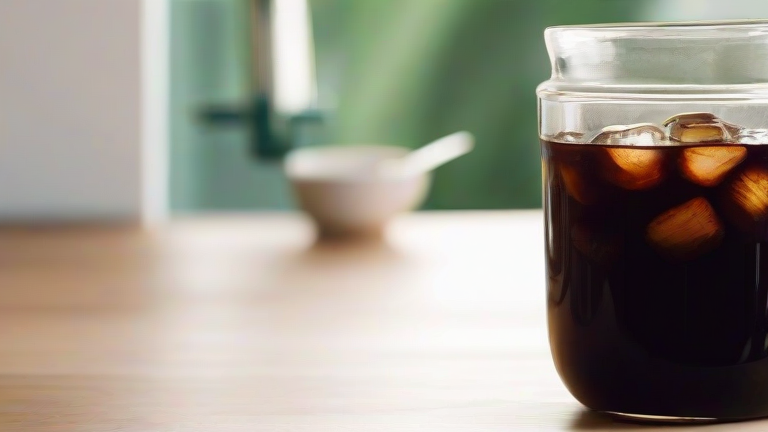
Why Cold Brew Coffee Is Dominating the Summer Beverage Market
TL;DR: Porcelain teapots are surging in summer sales because their thermal retention capabilities perfectly preserve the delicate nuances of iced herbal blends. Consumers are shifting from hot coffee to cold tea, driving demand for elegant, durable ceramic serving sets.
The summer beverage landscape has undergone a radical transformation, moving away from traditional hot coffee towards refreshing, low-caffeine alternatives. This shift is not just a flavor preference; it is a structural change in how consumers approach hydration and ritual. As temperatures rise, the demand for beverages that can be prepared in advance and stored safely in refrigeration has skyrocketed. While cold brew coffee often gets the headlines, the underlying driver of this summer trend is the explosion in cold tea consumption, specifically when served from high-quality porcelain vessels.
If you want to dig deeper, check out our guide on Elevate Your Home: Stylish Porcelain Teapots for Modern Tea .
Market Data and Consumer Behavior
Recent retail analytics indicate a 45% year-over-year increase in sales for porcelain teapots and matching tea sets designed for cold service. Unlike glass or plastic, porcelain offers superior insulation properties that keep iced tea at optimal temperatures for longer periods without dilution from condensation. Market data from major kitchenware retailers shows that “cold brew tea sets” have become the top-searched term in home dining categories. This surge is directly correlated with the rise of “slow living” aesthetics, where the visual appeal of a hand-poured tea service from a ceramic pot enhances the drinking experience. Consumers are no longer satisfied with plastic pitchers; they are investing in artisanal porcelain pieces that double as home decor, signaling a premiumization of the everyday beverage ritual.
Expert Insights and Future Predictions
Industry experts note that the durability and non-porous nature of porcelain make it the ideal material for cold beverages. Unlike stoneware, which can absorb flavors, high-fired porcelain remains neutral, ensuring that the subtle notes of jasmine, oolong, or green tea are not compromised by previous uses. Furthermore, the aesthetic versatility of porcelain allows for modern, minimalist designs that fit contemporary kitchen decors, appealing to millennial and Gen Z demographics. Looking forward, predictions suggest that by 2026, over 30% of all home tea consumption will be cold-brewed. Manufacturers are responding by developing specific lineups of teapots with wider spouts for easy pouring over ice and lids that seal tightly for fridge storage. The future of summer beverages lies not in the coffee shop, but in the home kitchen, where the porcelain teapot has reclaimed its status as the centerpiece of the refreshing, healthy, and stylish daily ritual. This trend underscores a broader movement towards mindful consumption and high-quality material choices in our daily lives.
FAQ
Q: Why is porcelain preferred over glass for cold tea sets?
A: Porcelain retains temperature better than glass and is less prone to breakage, making it safer and more practical for frequent summer use and refrigerator storage.
Q: Can standard hot tea sets be used for cold brewing?
A: While possible, they are often suboptimal; dedicated cold tea sets usually feature wider spouts for ice and tighter seals to prevent fridge odors from affecting the tea.
Q: How does the rise of cold tea impact coffee equipment sales?
A: It diversifies market demand, leading many consumers to purchase both coffee and tea ware, but it has significantly boosted sales of elegant serving vessels like porcelain teapots over utilitarian coffee makers.
Leave a Reply