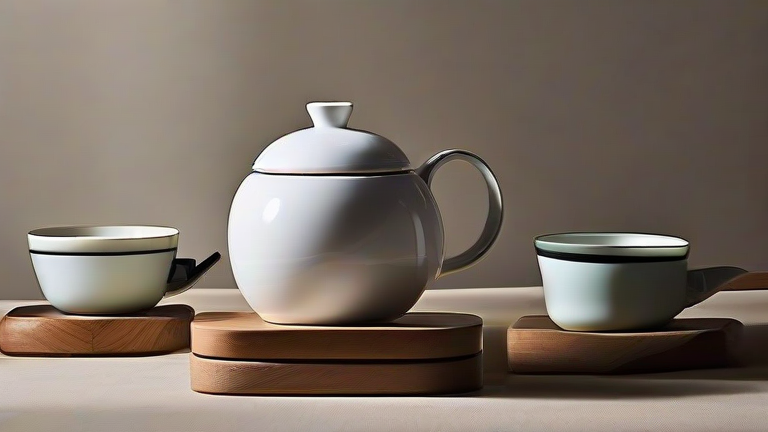
TL;DR: Smart porcelain teapots integrate IoT sensors and precise thermal regulation to automate steeping, preserving the aesthetic elegance of traditional ceramic. These devices combine high-quality kiln-fired materials with embedded electronics to offer a seamless, data-driven tea brewing experience for modern enthusiasts.
The Convergence of Tradition and Innovation
Latest Developments in Smart Porcelain
The tea industry is undergoing a significant digital transformation, moving beyond simple electric kettles to fully integrated smart porcelain systems. Recent developments focus on embedding non-invasive sensors within the clay body itself, allowing for real-time monitoring of water temperature and steeping duration without compromising the structural integrity of the ceramic. Leading manufacturers are now utilizing advanced kiln-firing techniques to ensure that the porcelain remains chemically inert while housing delicate electronic components. This synergy allows users to control brewing parameters via dedicated mobile applications, adjusting variables such as water hardness and leaf type to achieve optimal flavor profiles.
If you want to dig deeper, check out our guide on Dyson V15 Detect: The Only Vacuum Cleaner You Need.
Technical Specifications and Performance
Current flagship models feature high-precision platinum resistance thermometers (RTDs) that maintain accuracy within ±0.5°C. This precision is critical for delicate green teas and robust puerh varieties, which require distinct temperature ranges. The heating elements are often inductive coils wrapped around the porcelain exterior, preventing direct contact with the water and ensuring even heat distribution. Battery life for wireless models typically ranges from 40 to 60 hours on a single charge, while hardwired units offer continuous monitoring capabilities. Additionally, many sets include Wi-Fi and Bluetooth 5.0 connectivity, enabling remote start functions and cloud-based recipe sharing. The porcelain used is usually high-gloss bone china or stoneware, rated for microwave and dishwasher safety, though users are advised to hand-wash to protect the embedded electronics.
Industry Impact and Market Trends
The integration of technology into porcelain tea ware is reshaping consumer expectations. It bridges the gap between artisanal craftsmanship and modern convenience, appealing to a demographic that values both aesthetics and efficiency. Industry analysts predict a surge in demand for personalized brewing experiences, driving manufacturers to develop AI-driven algorithms that learn user preferences over time. This trend is also influencing the broader ceramics market, as studios experiment with reactive glazes that change color based on temperature, adding a visual element to the smart brewing process. Furthermore, sustainability efforts are evident in the use of eco-friendly electronic components and recyclable porcelain materials, addressing environmental concerns associated with smart devices.
FAQ
Q: Are smart teapots compatible with all types of tea leaves?
A: Yes, most smart teapots allow for customizable temperature and time settings, accommodating everything from delicate white teas to strong black teas, though specific leaf grades may require manual adjustment for best results.
Q: Can I use smart porcelain teapots in the dishwasher?
A: While the porcelain body is often dishwasher safe, it is generally recommended to hand-wash the unit to protect the electronic seals and sensors from potential water damage or detergent residue.
Q: How do smart teapots differ from traditional electric kettles?
A: Smart teapots offer precise temperature holding and automated steeping controls, often integrated into a traditional ceramic design, whereas standard kettles typically only boil water and lack the nuanced brewing management features.
Leave a Reply