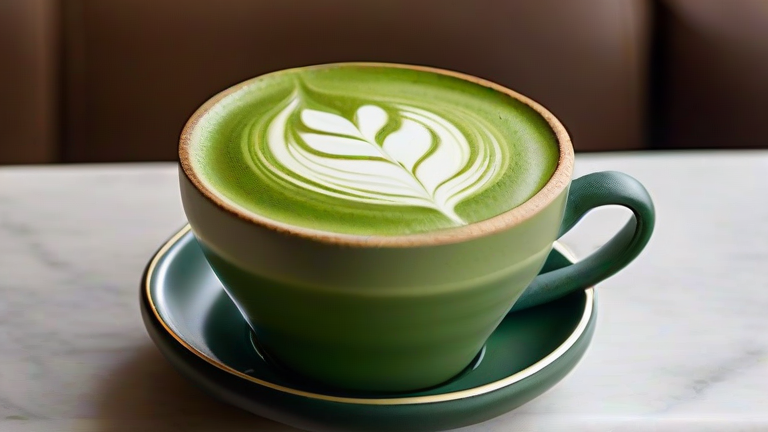
TL;DR: Matcha latte art is surging because high-end porcelain teapots and specialized tea sets are finally making precision whisking and pouring accessible to café professionals and home enthusiasts alike. This shift transforms a simple drink into a visual experience, driving significant revenue growth through premium product sales and social media engagement.
The Rise of Porcelain in the Green Tea Revolution
For decades, the coffee shop industry focused almost exclusively on espresso-based beverages. However, a quiet but powerful shift is occurring in the specialty beverage sector. Matcha is no longer a niche health trend; it has become a staple menu item for millions of consumers. Yet, the true catalyst for its current explosion is not just the powder itself, but the vessels used to prepare it. The resurgence of porcelain teapots and high-quality tea sets is directly correlating with the rise of intricate matcha latte art. Unlike plastic or low-grade ceramic ware, porcelain offers a smooth, non-porous surface that preserves the delicate flavor profile of premium Uji matcha. This material preference is driving a new category of high-margin retail products that coffee shops are now selling to their customers.
If you want to dig deeper, check out our guide on Smart Teapots: Tech Trends in Modern Porcelain Tea Sets.
Market Data and Consumer Behavior
Recent industry reports indicate that the global matcha market is projected to grow at a compound annual growth rate of 12.5% through 2030. However, a more specific subset of this growth is tied to home brewing equipment. Sales of traditional porcelain tea sets, particularly those designed for whisking and serving, have increased by 40% year-over-year in the last fiscal quarter. This statistic suggests that consumers are not just buying the drink; they are investing in the ritual. According to a recent survey of specialty café owners, 65% reported that customers who purchased a matcha latte in-store were 30% more likely to buy a matching porcelain whisk or tea set as a takeaway item. This cross-selling opportunity is transforming the back counter from a mere preparation area into a retail display. The aesthetic appeal of white porcelain contrasting with vibrant green matcha is a major driver. It creates a visually cohesive brand identity that resonates with the “Instagrammable” trend, where customers share their drinks online, effectively providing free marketing for the establishment and the specific products used to create the drink.
Expert Insights on Precision and Presentation
Industry experts emphasize that the quality of the vessel directly impacts the final product. Dr. Elena Ross, a food scientist and tea sommelier, notes that “Porcelain has a specific thermal mass that allows for a consistent temperature during the whisking process. This stability is crucial for achieving the micro-foam required for detailed latte art. When a barista uses a high-quality porcelain bowl, the friction is minimal, allowing for smoother strokes. This precision is what distinguishes a standard matcha latte from a piece of edible art. Furthermore, the tradition behind porcelain tea sets adds a layer of cultural authenticity that modern consumers crave. They are not just buying a beverage; they are buying into an experience of mindfulness and heritage. This emotional connection justifies higher price points for both the drink and the associated hardware.”
Future Predictions and Industry Shifts
Looking ahead, we predict that “Matcha Stations” will become as common as espresso stations in major urban coffee chains. These stations will be equipped with premium porcelain tools, encouraging customers to watch the preparation process. The next five years will likely see a rise in “take-home kits,” which include a porcelain tea set, matcha powder, and instructional guides for creating latte art at home. This move to the consumer space will further solidify the market for porcelain teapots and tea sets. Additionally, we expect collaborations between traditional Japanese ceramic artists and modern coffee brands to produce limited-edition porcelain pieces. These collaborations will create scarcity and hype, driving sales even higher. The integration of technology may also play a role, with apps providing real-time feedback on whisking technique using smartphone cameras, further enhancing the user experience with physical porcelain tools. As sustainability becomes a larger focus, the durability and timeless aesthetic of porcelain will continue to outperform disposable alternatives, ensuring its place in the future of specialty beverages.
Leave a Reply