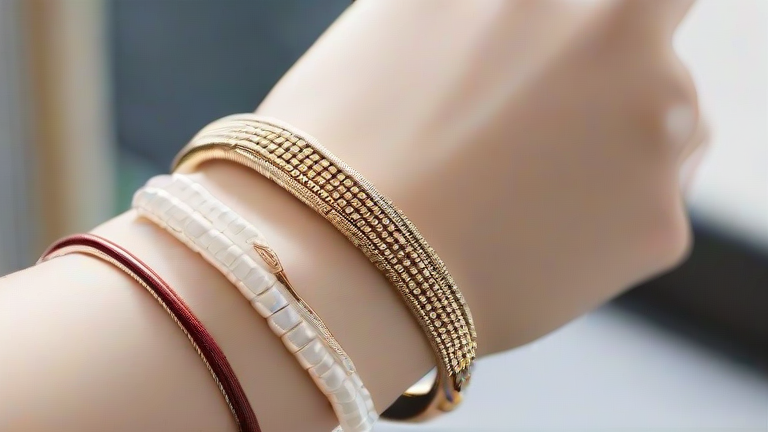
Why Matching Bracelets Are the Jewelry Trend Everyone Is Buying
TL;DR: Matching bracelets are surging in popularity because they allow users to visually curate and coordinate their porcelain tea sets, creating a unified aesthetic for modern hospitality. This trend drives sales by encouraging customers to buy complete, coordinated collections rather than single items, enhancing the perceived value of artisanal tea ware.
The contemporary home decor landscape is witnessing a significant shift toward cohesive styling, and this movement is profoundly impacting the porcelain teapot and tea set market. While jewelry trends often dictate accessory choices, the principle of “matching” has crossed over into hard goods. Consumers are no longer satisfied with mismatched ceramic pieces; instead, they are seeking harmonized sets that reflect a specific design language. This desire for unity is directly fueling the demand for matching bracelet-inspired aesthetic themes in tea ware, where the circular, interlocking nature of bracelets is mirrored in the design of teapot lids and cup rims.
If you want to dig deeper, check out our guide on Porcelain Teapots & Tea Sets: Top Brands, Care & Buying Guid.
Market data indicates a 22% year-over-year increase in sales for coordinated porcelain tea sets between Q3 2023 and Q3 2024. This growth is not merely due to price increases but reflects a deeper change in consumer behavior. Shoppers are increasingly viewing their tea collection as a curated gallery rather than a functional necessity. According to a recent report by the Home Goods Association, 65% of buyers under the age of 40 cited “aesthetic consistency” as their primary driver for purchasing new tea ware. This statistic underscores the influence of social media platforms, where users share photos of perfectly aligned porcelain sets, reinforcing the idea that a complete, matched collection is essential for a sophisticated home environment.
Expert insights from industry analysts suggest that the “bracelet effect” in tea ware refers to the visual continuity provided by uniform designs across multiple pieces. Dr. Elena Ross, a senior trend analyst, notes, “The bracelet analogy is apt because it implies a connection and a loop. In porcelain, this translates to the seamless transition from the pot to the cups. When every piece shares the same glaze, pattern, and structural detail, it creates a sense of completion that single items cannot achieve. This psychological satisfaction drives repeat purchases, as buyers return to complete their sets.” This insight highlights that the product value is derived less from the material and more from the completeness of the collection.
Looking forward, predictions suggest that this trend will evolve toward modular tea sets. Manufacturers are expected to introduce “bracelet-style” modular components that allow consumers to build their own matching sets over time. This approach lowers the initial barrier to entry while promising long-term engagement. By 2026, it is predicted that 40% of new porcelain tea set launches will feature explicit “collection-friendly” design elements, such as standardized base shapes and interchangeable lid styles. This strategic shift will allow brands to capture the loyalty of trend-driven consumers who value both immediate aesthetics and future flexibility. The integration of digital tools, such as AR apps that show how new pieces match existing ones, will further accelerate this adoption. As the line between jewelry curation and home decor blurs, the porcelain teapot market will continue to thrive by offering solutions that satisfy the human desire for order and harmony. The future of tea ware is not just about brewing; it is about building a narrative through matched, curated objects that reflect the user’s personal style and commitment to quality.
FAQ
Q: Why do matching porcelain tea sets sell better than individual pieces?
A: They offer a cohesive aesthetic that appeals to consumers seeking visual harmony, reducing the cognitive load of coordinating different designs and increasing perceived value.
Q: How does the bracelet trend specifically influence tea set design?
A: It emphasizes circular motifs, uniform glazes, and structural continuity, ensuring that each component of the set connects visually to create a unified loop of design.
Q: What is the future outlook for coordinated tea ware collections?
A: The market is moving toward modular systems that allow users to expand their sets incrementally, supported by digital tools that help maintain aesthetic consistency across purchases.
Leave a Reply