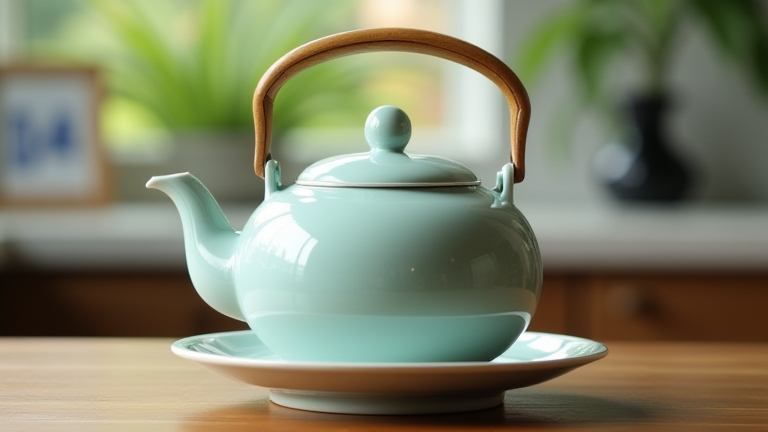
Porcelain Teapots & Health: Why Material Matters for Your Brew
TL;DR: Porcelain teapots are non-porous and chemically inert, ensuring your tea retains its pure flavor without absorbing unwanted odors or leaching harmful substances. Choosing high-quality porcelain supports a healthier brewing experience by preserving the full nutritional profile of your herbs and leaves.
The Chemical Inertness of Porcelain
When you steep your favorite blend, the vessel you use plays a crucial role in the final taste and safety of your beverage. Unlike earthenware or lower-grade ceramics, premium porcelain is fired at extremely high temperatures, creating a glass-like, non-porous surface. This structural density is vital for health because it prevents the material from reacting with the acidic compounds found in tea. Studies indicate that certain porous materials can absorb tannins and oils, which may later release stale flavors or harbors bacteria if not cleaned meticulously. Porcelain eliminates this risk, providing a sterile, neutral canvas that allows the delicate notes of green, black, or herbal teas to shine without interference.
Preserving Nutritional Integrity
Tea is rich in antioxidants, specifically polyphenols like catechins, which are linked to improved heart health and reduced inflammation. The health benefits of these compounds are best realized when they remain stable in the liquid. Porcelain teapots do not leach metals or alter the pH balance of the water in a way that would degrade these sensitive nutrients. In contrast, some reactive metals or porous clays can catalyze oxidation or absorb these beneficial compounds over time. By using a porcelain vessel, you ensure that the maximum concentration of antioxidants is delivered directly into your cup. This makes porcelain an ideal choice for wellness-focused individuals who view their daily tea ritual as a form of preventative care and mindfulness.
Hygiene and Maintenance
From a hygiene perspective, the smooth finish of porcelain is superior for maintaining a clean brewing environment. Bacteria and mold struggle to colonize non-porous surfaces, reducing the need for aggressive chemical cleaning agents. This is particularly important for herbal teas, which often have stronger aromas and oils. A porcelain teapot will not retain the scent of chamomile after you switch to peppermint, ensuring that every brew is fresh and uncontaminated by previous flavors. Regular, simple washing with warm soapy water is sufficient to maintain sanitary conditions, promoting a safer long-term usage habit.
Choosing the Right Set
When selecting a porcelain tea set, look for pieces labeled as “vitrified” or “high-fired.” These terms indicate that the glaze has fully fused with the clay body, ensuring durability and safety. Avoid sets with visible cracks or chips, as these imperfections can harbor bacteria. Investing in a high-quality porcelain set is an investment in your daily health, providing a safe, flavorful, and aesthetically pleasing way to enjoy the therapeutic benefits of tea.
FAQ
Q: Is porcelain safe for brewing acidic herbal teas?
A: Yes, high-quality porcelain is chemically inert and will not react with acidic ingredients like lemon or hibiscus, ensuring safe consumption.
If you want to dig deeper, check out our guide on Porcelain Teapot Buying Guide: Choose the Perfect Tea Set.
Q: How does porcelain compare to glass teapots for health?
A: Both are non-reactive, but porcelain offers better heat retention, which helps maintain the optimal temperature needed to extract maximum nutrients from tea leaves.
Q: Can I use a porcelain teapot for cold brew tea?
A: Absolutely, the non-porous nature of porcelain prevents flavor contamination, making it an excellent choice for cold brewing methods that require long steeping times.
Leave a Reply