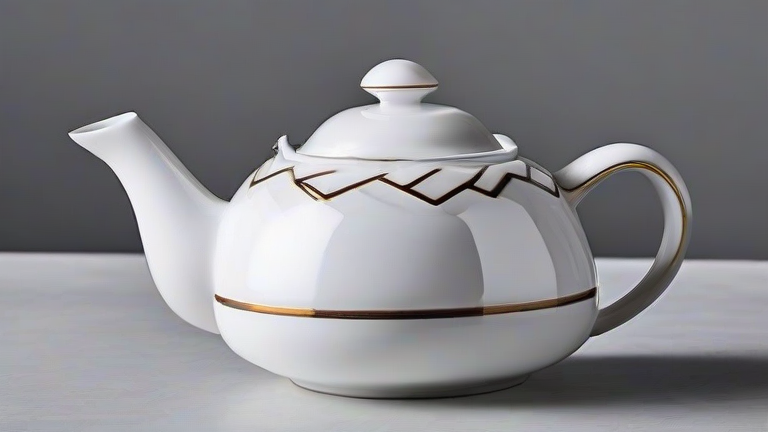
TL;DR: Choose a porcelain teapot by prioritizing a snug-fitting lid, a balanced handle, and a fine, unglazed rim for clean pouring. For best flavor, select a pot with a capacity matching your typical tea session (300–500 ml) and a body that retains heat without burning your hands.
Step 1: Assess the Porcelain Quality and Body Thickness
Hold the teapot up to a light source. High-quality porcelain (e.g., Jingdezhen or bone china) appears slightly translucent, with no pinholes, bubbles, or dark specks. Tap the body gently—a clear, bell-like ring indicates proper vitrification; a dull thud suggests under-firing, which can absorb odors. For daily use, choose a medium-thick wall (2–3 mm): too thin cracks from thermal shock, too thick makes the pot heavy and slow to heat.
If you want to dig deeper, check out our guide on Porcelain Teapots & Sets: Ultimate Guide to Buying.
Step 2: Check the Lid Fit and Spout Design
The lid must sit flush without wobbling—test by tilting the pot upside down (keep a hand under it). A small gap lets steam escape, cooling your tea prematurely. Inspect the spout: it should be short, slightly curved, and have a clean, unglazed inner edge to prevent drips. Pour water into the pot, then tilt it 90 degrees; the stream should be steady and stop abruptly when you raise the pot upright. Avoid spouts with a rough seam, which creates turbulent flow and splashing.
Step 3: Evaluate the Handle and Balance
Grip the handle as you would when pouring. It should be thick enough for a secure hold but not so wide that your fingers touch the hot body. Look for a “C” or “P” shape that sits high on the shoulder of the pot—this shifts the center of gravity toward your wrist, reducing strain. Fill the pot with water and simulate a pour: if the lid feels like it’s sliding off, the handle’s angle is wrong. For a large pot (over 600 ml), choose a side-handle (yokode) style for better control.
Step 4: Match Capacity to Your Tea Ritual
For solo gongfu sessions, a 150–200 ml pot is ideal (3–4 small cups). For family or Western-style tea, select 400–500 ml—this fits a standard 2-cup teapot cozy. Avoid oversized pots (over 800 ml) unless you serve many people; excess air space causes tea to cool too quickly. Also, consider the tea type: oolong and pu-erh need a wider mouth for loose leaves, while fine green tea suits a taller, narrow pot to preserve aroma.
Step 5: Inspect the Glaze and Interior Finish
Run your finger inside the pot. The interior glaze must be smooth, with no crazing (hairline cracks) that can trap tannins. For best flavor, choose a fully glazed interior—except for a small unglazed band near the spout if you prefer a “seasoned” pot. Check the base: it should be flat, unglazed, and have a slight foot ring to avoid scratching tables. Avoid decorative overglaze paints on the inside, as these can leach into hot water.
Step 6: Test the Pour and Cleanability
Ask the seller if you can do a water test. Pour cold water into the pot, then tilt slowly—watch for drips from the lid or spout. The lid’s inner knob should be easy to grip but not too tall to knock against the spout. Finally, consider the cleaning: a wide-mouth pot (8–10 cm diameter) lets you wipe leaves out easily. A filter? Look for a built-in porcelain mesh or a removable stainless steel basket—but avoid plastic or rubber parts that degrade with heat.
Pro Tips
• Always buy from a specialist tea-ware store, not a souvenir shop—they stock functional, food-safe porcelain.
• If
Leave a Reply