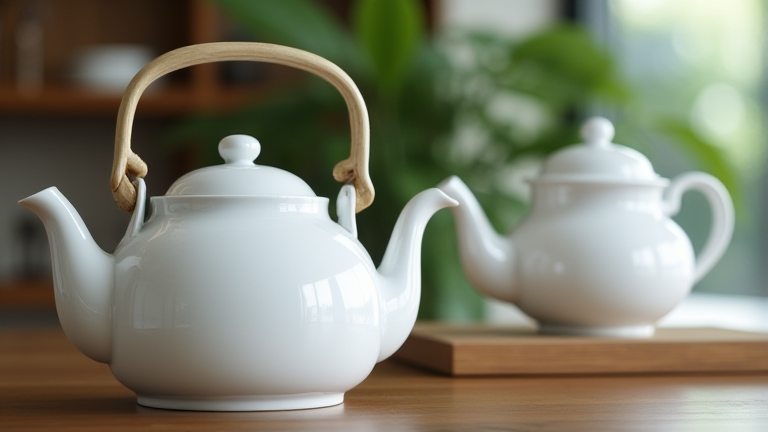
Porcelain Teapots: Health Benefits, Safety, and Care
TL;DR: Porcelain teapots provide a chemically inert brewing environment that preserves the natural antioxidants in tea while ensuring lead-free safety. Proper care, such as avoiding thermal shock and using mild detergents, maintains the integrity of the glaze and hygiene for long-term use.
Choosing the right vessel is a critical aspect of the tea ritual, directly influencing both flavor profile and health outcomes. Porcelain has emerged as the gold standard for tea enthusiasts due to its neutral composition. Unlike unglazed clay, which can absorb flavors, porcelain is non-porous. This characteristic ensures that the delicate compounds in green, white, or oolong teas remain pure. Recent studies in food science highlight that materials with high thermal stability and chemical inertness, like high-fired porcelain, do not leach harmful substances into hot liquids. This makes porcelain teapots an excellent choice for those concerned about heavy metal exposure, as modern, high-quality porcelain is manufactured to meet strict safety standards regarding lead and cadmium content.
If you want to dig deeper, check out our guide on Tech-Enhanced Porcelain: Smart Teapots & Connected Tea Sets.
From a lifestyle perspective, using a porcelain teapot promotes mindfulness and slower consumption, which are key components of wellness. The aesthetic appeal of fine porcelain sets encourages a dedicated ritual, reducing stress through the meditative process of preparation. Furthermore, the smooth surface of porcelain is easier to sanitize than textured clay, reducing the risk of bacterial growth if proper cleaning protocols are followed. For health-conscious individuals, the ability to brew at precise temperatures without the vessel altering the taste is a significant advantage. This precision allows for optimal extraction of catechins and other beneficial polyphenols, maximizing the antioxidant benefits of the beverage.
However, safety and longevity depend heavily on correct care. Porcelain is brittle compared to steel or glass, making it susceptible to cracking if subjected to sudden temperature changes. To prevent this thermal shock, always warm your teapot with hot water before brewing and avoid placing a hot pot on a cold surface. When cleaning, use a soft sponge and mild dish soap. Harsh abrasives can scratch the glaze, creating microscopic cracks where bacteria can harbor. It is also advisable to let the teapot air dry completely before storage to prevent mildew. Regular inspection for chips or cracks is essential; if the glaze is compromised, replace the item to ensure continued safety. By respecting these care guidelines, you preserve not only the beauty of your tea set but also the health benefits associated with a clean, high-quality brewing experience. Integrating porcelain into your daily routine is a simple, elegant way to enhance both your wellness practices and your appreciation for tea.
FAQ
Q: Is porcelain safe for brewing tea at high temperatures?
A: Yes, high-quality porcelain is chemically inert and lead-free, making it safe for boiling water and preserving the purity of the tea.
Q: How does porcelain compare to glass in terms of flavor retention?
A: Porcelain is slightly better for flavor retention as it is non-porous and less likely to retain odors from previous brews compared to some glass types.
Q: What is the best way to clean a porcelain teapot without damaging it?
A: Use a soft sponge with mild soap and warm water, avoiding abrasive scrubs that can scratch the glaze and compromise the seal.
Leave a Reply